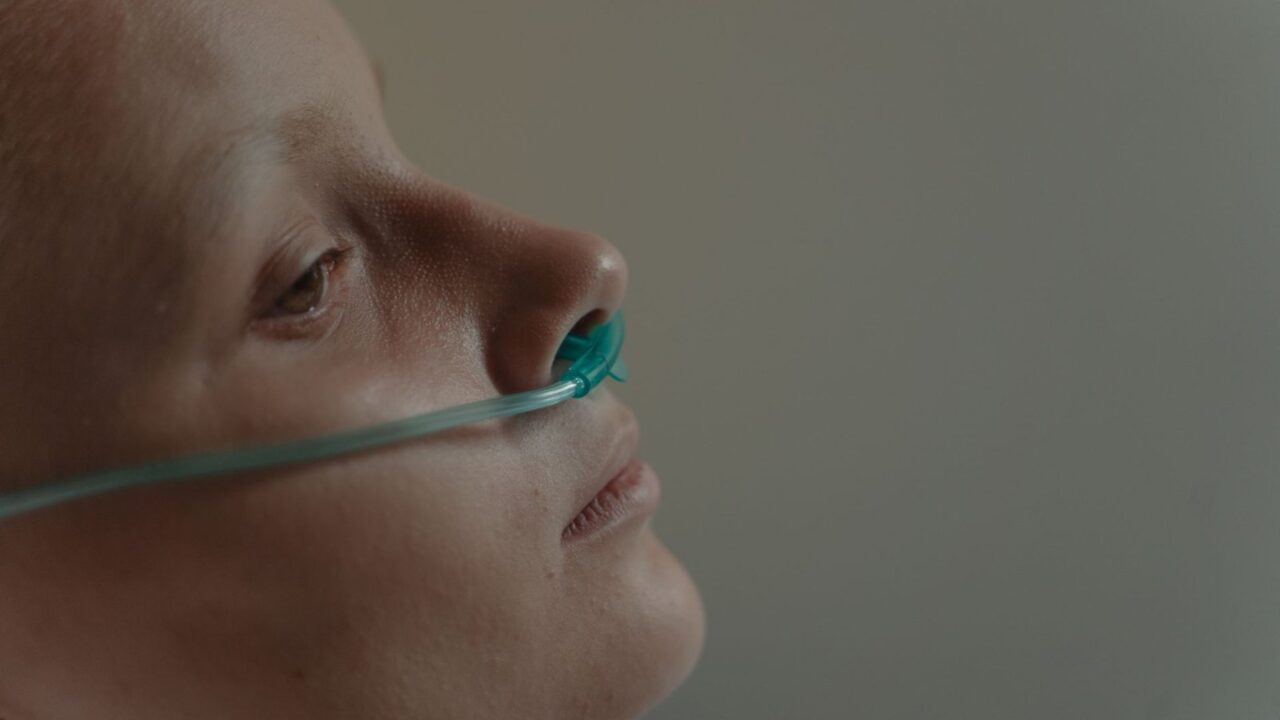
A community event called the Heart Tea Talk recently focused on raising awareness about heart disease in women, a condition that remains the leading cause of death among U.S. women. Organizers and speakers highlighted how symptoms, risk factors, and treatment needs can differ between women and men, urging attendees to prioritize their cardiovascular health.
Key Takeaways
- Heart disease is the number one killer of women in the United States, yet many women underestimate their personal risk.
- Women may experience heart attack symptoms that differ from the classic chest pain, including nausea, fatigue, and jaw pain.
- Risk factors such as pregnancy complications, menopause, and autoimmune diseases affect women uniquely.
- Community events like the Heart Tea Talk help bridge the gap between medical knowledge and everyday awareness.
- Prevention strategies include regular checkups, managing blood pressure and cholesterol, and adopting a heart-healthy lifestyle.
Why Women’s Heart Health Deserves Special Attention
For decades, heart disease was often considered a “man’s disease,” but research has shown that women face distinct challenges. According to the American Heart Association, about one in three women dies from heart disease or stroke. The Heart Tea Talk, reported by The Killeen Daily Herald, aimed to correct misconceptions and empower women to take charge of their heart health. Speakers at the event stressed that women’s hearts are not simply smaller versions of men’s hearts; biological differences affect how disease develops and how symptoms present.
Recognizing the Signs: Women’s Heart Attack Symptoms
One of the central messages of the Heart Tea Talk was that women often ignore or misinterpret heart attack warning signs. While chest pain or discomfort is common, women are more likely than men to experience shortness of breath, nausea, vomiting, back or jaw pain, and extreme fatigue. These subtle symptoms can be mistaken for indigestion, stress, or aging, leading to delays in seeking care. The event encouraged attendees to trust their instincts and call 911 if something feels wrong.
Unique Risk Factors for Women
Beyond traditional risks like high blood pressure, diabetes, and smoking, women face additional factors that increase their heart disease risk. Conditions such as preeclampsia, gestational diabetes, and early menopause can raise a woman’s lifetime cardiovascular risk. Autoimmune disorders like lupus and rheumatoid arthritis, which affect women more often, also contribute. The Heart Tea Talk highlighted the importance of discussing these factors with a primary care provider to create a personalized prevention plan.
Prevention and Lifestyle Strategies
Preventing heart disease starts with small, consistent steps. The event emphasized a balanced diet rich in fruits, vegetables, whole grains, and lean proteins; regular physical activity (at least 150 minutes of moderate exercise per week); and avoiding tobacco. Managing stress, getting enough sleep, and maintaining a healthy weight are equally important. Attendees were also reminded to keep track of blood pressure, cholesterol, and blood sugar levels, and to adhere to prescribed medications.
The Power of Community Events Like Heart Tea Talk
Educational gatherings such as the Heart Tea Talk play a vital role in translating medical research into practical knowledge. By bringing together healthcare professionals, survivors, and local residents, these events create a supportive environment where women can ask questions and share experiences. The Killeen Daily Herald reported that the event featured interactive discussions, personal stories, and resources for further learning. Such grassroots efforts help close the awareness gap and encourage women to prioritize their heart health year-round.
Frequently Asked Questions
Why is heart disease often missed in women?
Heart disease in women can be underdiagnosed because symptoms may be atypical and because many people still associate heart attacks with the classic “elephant on the chest” feeling. Women’s symptoms, such as fatigue, indigestion, or discomfort in the neck and jaw, are sometimes dismissed as anxiety or other conditions. Additionally, some diagnostic tests and treatment guidelines were historically based on male patients, which may not fully capture women’s risk.
What can women do to lower their heart disease risk?
Women can reduce their risk by adopting a heart-healthy lifestyle: eating a diet low in saturated fats and sodium, exercising regularly, maintaining a healthy weight, and not smoking. It is also crucial to manage chronic conditions like high blood pressure, diabetes, and high cholesterol. Regular checkups with a healthcare provider allow for early detection and personalized risk assessment, including discussion of pregnancy history and menopausal status.
Are heart attacks more deadly for women than men?
Yes, women are more likely to die within the first year after a heart attack compared to men, in part because they tend to be older at the time of their first attack and have more underlying conditions. Delays in recognizing symptoms and seeking treatment also contribute to worse outcomes. However, increased awareness and prompt medical care can significantly improve survival and recovery rates for women.
This is an original report by Vital Signs Today, informed by reporting from Google News. Read the original source.
This article is for information only and is not medical advice. See our Medical Disclaimer.