Disclosure: Vital Signs Today may earn a commission if you buy through links on this page, at no extra cost to you. This does not influence our evidence-based assessments. We are not a medical provider; talk to a clinician before acting on test results.
Quick answer: Yes, Function Health is a legitimate company. It runs real blood draws through accredited labs, has a licensed clinician review your results, and currently tests 160+ biomarkers for $365 a year. The honest catch is that it is one of the pricier full-body memberships, and if your goal is a yearly baseline you can track over time without the clinical depth, a leaner option like Superpower covers 100+ biomarkers for $199 a year. Legit is not the same as right for you, so compare before you commit.
Disclosure: Vital Signs Today may earn a commission if you buy through links on this page, at no extra cost to you. This does not influence our evidence-based assessments. We are not a medical provider; talk to a clinician before acting on test results.
| Service | Best for | Pricing | Visit |
|---|---|---|---|
| Function Health | Annual deep panel | Annual membership | View › |
So, Is Function Health Legit or a Gimmick?
Let us settle the core question first, because that is what most people typing “is Function Health legit” actually want to know. This is not a scam, a fake-results operation, or a supplement upsell wearing a lab coat. Function Health is a real direct-to-consumer testing membership that draws actual blood, sends it to certified labs, and returns results you can act on.
Where it earns the legitimacy label: the testing is processed by accredited US labs, every order is authorized and reviewed by a licensed clinician (that is what lets a DTC company order your labs without a doctor’s visit), and the platform is transparent about what it measures. For 2026, the membership runs $365 per year and covers 160+ biomarkers, with two draws per year plus a urinalysis and a 6-month retest built in.
The skepticism people feel usually comes from the category, not the company. Consumer lab testing has had its share of overhyped players, so a healthy dose of “prove it” is reasonable. Function Health holds up to that scrutiny. The fair question is not whether it works, but whether it is the best value for what you specifically need.
It also helps to know what Function is and is not trying to be. It is not a same-day sick visit, it is not a treatment service, and it does not prescribe. It is a structured, twice-a-year window into your bloodwork with a clinician attached to keep it compliant and safe. If you go in expecting a doctor who manages your care, you will be disappointed. If you go in expecting the most thorough self-directed lab panel on the consumer market, it delivers.
The Function Health Labs and Who Reviews Your Results
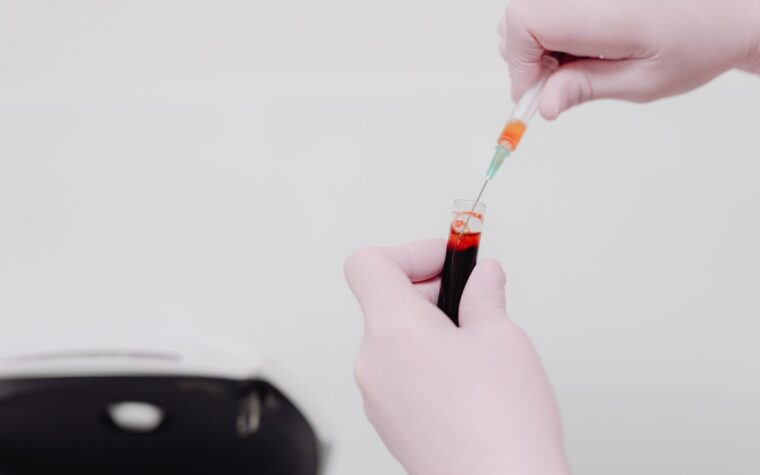
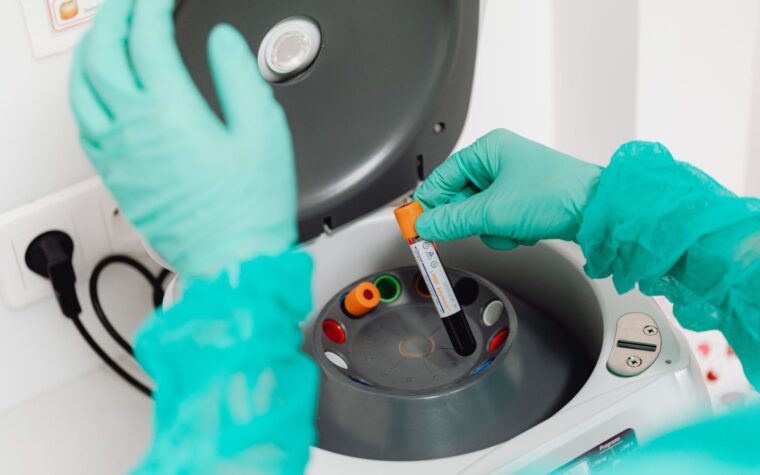
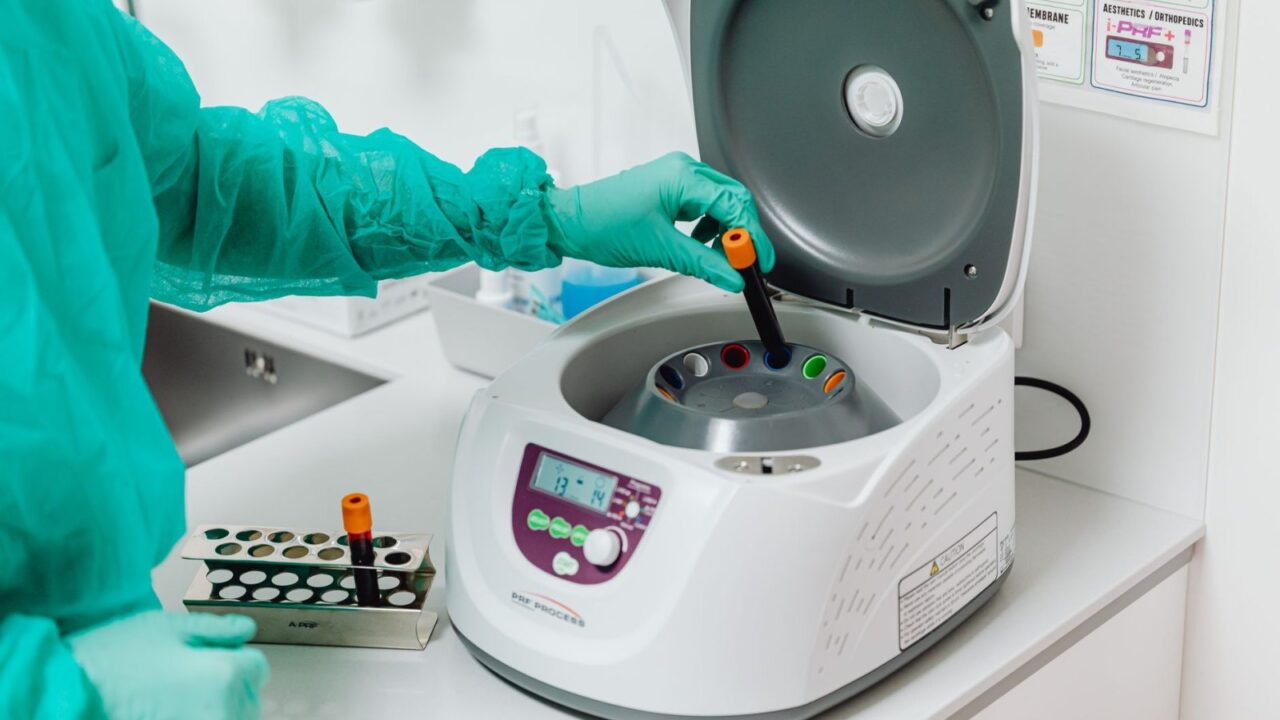
This is the part that separates a legitimate service from a wellness app guessing at your health. The Function Health labs are CLIA-style accredited facilities, the same grade of lab your doctor’s office sends samples to. You are not getting a finger-prick novelty reading. You get a venous draw analyzed by professionals, which is the gold standard for accuracy on most markers.
Just as important: a licensed clinician signs off on your panel and reviews the results. This matters legally and practically. It means a real medical professional looked at your numbers, not just an algorithm. Function Health leans more clinical than most competitors, which is part of why it costs more.
One honest caveat that applies to every service in this space, including Superpower: these are screening and tracking tools, not diagnostic clinics. If a marker comes back outside the normal range, that is a signal to follow up with your own physician, not a diagnosis on its own. A good DTC test tells you where to look. Your clinician tells you what it means.
What Does Function Health Actually Test?
The 160+ biomarker headline is the main reason people join, so it is worth knowing what that breadth actually covers. Function Health spreads its panel across the major organ systems and risk categories, which is what a standard annual physical almost never does in one sitting. Expect markers spanning:
- Heart: a full lipid panel plus advanced cardiovascular markers such as ApoB and Lp(a), which give a sharper read on heart risk than cholesterol alone.
- Metabolic: fasting glucose, HbA1c, insulin, and related markers that catch insulin resistance years before a physical would.
- Thyroid: a fuller thyroid workup than the single TSH most doctors order, often including free T3, free T4, and antibodies.
- Liver and kidney: enzymes and filtration markers that flag organ stress early.
- Nutrients: vitamin D, B12, folate, ferritin and iron studies, magnesium, and more.
- Hormones: testosterone, estradiol, cortisol, and others depending on the panel.
- Inflammation and immune: high-sensitivity CRP and a complete blood count.
- Additional screening: select autoimmune and other specialty markers, plus the urinalysis included in the membership.
That is a genuinely wide net, and it is the strongest argument for the price. The thyroid and cardiovascular depth in particular go beyond what most primary-care panels bother with, which is exactly why users on the forums keep saying it surfaced something their physical missed.
How the Membership and Two Draws Work
Function Health is structured around a yearly rhythm rather than a single test. You get an initial comprehensive draw, then a built-in retest roughly six months later, which is the feature that sets it apart from most one-and-done competitors. The logic is sound: a single snapshot tells you where you are, but two draws in a year start to show direction, and direction is where the actionable insight lives. If you changed your diet, started a supplement, or began training differently after the first panel, the second draw tells you whether it worked.
The draw itself is a standard venous blood collection at a partner lab location. There is no doctor’s visit to schedule on your side, because the clinician authorization happens behind the scenes. Results populate your dashboard within a handful of days, and the platform layers plain-language explanations and ranges onto each marker so you are not staring at a raw number with no context.
How to Prep So Your Function Health Numbers Are Clean
A surprising number of confusing results trace back to poor prep, not poor health. A few markers on this panel are sensitive to what you did in the 24 hours before the needle, so it pays to get these right:
- Fast beforehand. Glucose, insulin, and triglycerides all shift after a meal. An 8 to 12 hour fast, water allowed, keeps them honest.
- Skip the hard workout the day before. Intense exercise temporarily raises hsCRP and some liver and muscle enzymes. Train hard the night before and your inflammation markers can look alarming when they are just recovering.
- Mind the timing. Cortisol and testosterone follow a daily rhythm and read highest in the morning. Drawing at a consistent time makes your six-month comparison meaningful instead of noisy.
- Hold biotin if you can. High-dose biotin supplements can interfere with certain immunoassays, including some thyroid and hormone tests. Note anything you take so a strange result can be interpreted correctly.
- Hydrate. Being well hydrated makes the draw easier and keeps concentration-sensitive values from drifting.
Get these right and your bloodwork reflects your actual physiology, which is the whole point of paying for a thorough panel in the first place.
What Do the Key Function Health Numbers Mean?
Breadth is only useful if you can read the markers that matter. Here are a few of the standouts on this panel, with the standard reference points people ask about most. Ranges vary slightly by lab, so always read yours against the report’s own ranges.
ApoB and cardiovascular risk
ApoB counts the actual number of atherogenic particles in your blood, which many clinicians now consider a better heart-risk signal than LDL cholesterol alone. Function Health including it by default is a genuine plus, because most routine physicals still stop at the basic lipid panel. A rising ApoB is a reason to talk to a clinician even if your standard cholesterol looks fine.
HbA1c and glucose
Fasting glucose under 100 mg/dL is normal, 100 to 125 signals prediabetes, and 126 or higher on repeat testing points to diabetes. HbA1c, which reflects roughly three months of average blood sugar, reads under 5.7 percent as normal, 5.7 to 6.4 percent as prediabetes, and 6.5 percent or higher as diabetes. Catching an upward drift here while it is still in the gray zone is one of the best cases for regular testing.
Thyroid markers
The fuller thyroid panel is a real differentiator. TSH is the usual starting point, but free T3, free T4, and thyroid antibodies add the context that explains fatigue, weight changes, or temperature intolerance a single TSH can miss. If you have symptoms your doctor waved off after a normal TSH, this deeper look is often where the answer hides.
Vitamin D and ferritin
Vitamin D under 20 ng/mL is generally deficient, 30 to 50 is the typical sufficiency band, and many frameworks aim for 40 to 60. Ferritin, your iron-storage marker, runs roughly 30 to 400 ng/mL for men and about 15 to 150 for women on standard ranges, though low-normal ferritin can leave you flat well before it becomes clinical anemia. See our ferritin guide for the full picture. Both respond to changes within a couple of months, which is exactly what the six-month retest is built to capture.
A Realistic Example of Reading Your Results
Picture a 41-year-old who joins expecting a clean bill of health. The dashboard flags three things: ApoB slightly elevated, vitamin D at 24 ng/mL, and TSH at the high end of normal with mildly positive thyroid antibodies. None of that is a crisis, and none of it is a diagnosis. The vitamin D is an easy fix with supplementation and a recheck at the six-month draw. The elevated ApoB is a genuine reason to sit down with a clinician about cardiovascular risk, exactly the kind of early signal a basic physical would have missed. The thyroid antibodies are worth monitoring and mentioning to a doctor, not panicking over. That is the service working as intended: it surfaces the questions, and a clinician answers them.
What Function Health Reddit Threads Actually Say
If you have been digging through Function Health Reddit discussions, you have probably noticed the sentiment is mixed but generally positive on legitimacy. We are not going to invent usernames or quotes, but the recurring themes are easy to summarize fairly.
On the positive side, users commonly report that the breadth of testing is genuinely impressive, that seeing 160+ markers in one place surfaced things their annual physical never checked, and that the dashboard makes trends easy to read. The legitimacy question gets answered the same way over and over in those threads: the labs are real, the results match follow-up testing, and people trust the numbers.
On the critical side, the most common complaints are about price relative to alternatives, occasional scheduling or draw-location friction, and a wish for faster or more hands-on guidance on what to actually do with the results. The AI chat feature is newer, so commentary on it is still thin. None of these themes suggest the service is illegitimate. They suggest it is thorough but premium, which is exactly the trade-off you are weighing.
Function Health vs Superpower: The Comparison Worth Making
Here is where being legit stops being the deciding factor. Both services are real. The question becomes what you are paying for and whether you need all of it. We compare testing services for a living, so here is the plain version.
Function Health
At $365 per year for 160+ biomarkers, two draws, a urinalysis, and a 6-month retest, Function Health is the more clinically thorough option. If you want the deepest panel, twice-yearly snapshots, and a clinician-heavy model, this is the more comprehensive product. You are paying a premium for that depth, and for some people the depth is worth every dollar.
Superpower
Superpower takes a leaner approach: $199 per year for one comprehensive annual blood draw covering 100+ biomarkers (about 150 counting calculated ratios), 17 plain-language health scores, a personalized action plan, and an AI concierge you can chat with about your results. It is built for getting a clear yearly baseline and tracking it over time without the higher cost. Note that the price is $399 in New York and New Jersey due to state lab rules.
The honest verdict: if you want maximum clinical depth and twice-a-year testing, Function Health is legit and delivers that. If you mainly want a solid full-body baseline you can understand and revisit each year, Superpower gives you the core value for roughly half the annual cost. For most health-conscious adults building a tracking habit, that is the better-fit recommendation, and it is why we point readers to it.
Who Should Join Function Health, and Who Should Not
Function Health is the right call if you want maximum marker coverage, value the twice-a-year rhythm, and specifically want the deeper cardiovascular and thyroid panels. It suits people who like data density, who have symptoms a basic physical has not explained, or who are managing a family history they want to watch closely. The price is easier to justify when you will actually use the depth.
It is probably overkill if your goal is a simple annual snapshot to establish a baseline and watch a handful of numbers drift over time. In that case you are paying a premium for two draws and specialty markers you may never act on, and a leaner membership covers the core job for roughly half the cost. There is no wrong answer here, only a fit question, which is the honest way to think about any of these services.
Is Function Health Worth the Money?
Worth is not a fixed answer, it is a function of how you will use it. Break the $365 down and it works out to a little over thirty dollars a month for two full comprehensive draws, a urinalysis, and clinician oversight. Against the cost of ordering this many markers piecemeal through a doctor, with the office visits and the back-and-forth that entails, the membership is often cheaper than the a-la-carte route, and dramatically more convenient. That is the strongest value case, and it is real.
The value collapses if you join, take one draw, and never open the dashboard again, or if the depth simply exceeds what you will act on. Advanced cardiovascular and thyroid panels are only worth paying for if a surprising result would actually change what you do. For a healthy adult who wants a single yearly baseline and a trend line on a dozen everyday markers, the honest verdict is that you are paying for capability you will not use, and a leaner membership covers the core job for about half the price. The test is not whether Function Health is thorough, it clearly is. The test is whether you personally will use the thoroughness.
A useful way to decide: write down the two or three questions you actually want answered before you buy anything. If those questions are “am I trending toward diabetes, is my cholesterol moving, is my vitamin D low,” almost any full-body membership answers them and the cheaper one wins. If your questions are “what is my true cardiovascular particle risk, is my thyroid quietly failing, did my six-month intervention move the needle,” Function Health’s depth and retest are built for exactly that, and the premium earns its keep.
How to Vet Any DTC Blood Test (Function Health Included)
Use this quick checklist on any service that claims to test your blood from home, so you never have to take “legit” on faith.
First, confirm the labs are accredited, not just “partner labs” with no detail. Both Function Health and Superpower pass this. Second, check that a licensed clinician orders and reviews results, which is required for DTC lab ordering and a sign the company is operating properly. Third, look for transparent pricing with no surprise mandatory add-ons. Fourth, make sure results come with context, plain-language explanations and ranges, not just a wall of numbers. Finally, read the data-handling policy so you know who can see your health information.
Function Health clears all five. So does Superpower. The difference is cost and clinical intensity, not legitimacy.
Related reading on Vital Signs Today
- Function Health Review (2026): Worth It, or Is There a Better Option?
- Function Health Cost: Is the Annual Membership Worth It?
- Function Health Discount Code and Deals (2026)
- Superpower Blood Test Review (2026): Is It Worth the Membership?
Frequently Asked Questions
Is Function Health legit and safe to use?
Yes. Function Health is a legitimate service that uses accredited labs and has a licensed clinician review results. It tests 160+ biomarkers for $365 per year. It is a screening and tracking tool, so any out-of-range result should be reviewed with your own clinician.
How many biomarkers does Function Health test?
The 2026 membership covers 160+ biomarkers across heart, metabolic, thyroid, liver, kidney, nutrient, hormone, inflammation, and immune categories, plus a urinalysis. The panel is notably deeper on cardiovascular markers like ApoB and on thyroid than a standard annual physical, which is the main reason people pay the premium.
Do you have to fast before a Function Health draw?
For most of the panel, yes. Glucose, insulin, and triglycerides read differently after eating, so an 8 to 12 hour fast with water is typically recommended. It also helps to avoid intense exercise the day before and to draw at a consistent time of day, since inflammation and hormone markers are sensitive to both.
What do Function Health Reddit users say about it?
Common Function Health Reddit themes are positive on legitimacy: people trust the lab results and value the breadth of testing. The most frequent criticisms are the price compared to alternatives and a wish for more guidance on next steps, not doubts about whether it works.
Are the Function Health labs accurate?
The Function Health labs are accredited facilities running venous blood draws, the same standard your doctor uses, so accuracy on standard markers is high. As with any test, confirm meaningful findings with a follow-up through your physician.
Is there a cheaper alternative to Function Health?
Yes. Superpower offers a comparable full-body experience, 100+ biomarkers, health scores, an action plan, and an AI concierge, for $199 per year versus $365. Function Health tests more markers and includes two draws, so the right pick depends on whether you want maximum depth or a cost-efficient yearly baseline.
Does Function Health replace seeing a doctor?
No. Neither Function Health nor Superpower is a diagnostic clinic. They give you data and context to bring to your physician. Results outside the normal range should always be reviewed with a clinician before you act on them.