Quick answer: The blood draw itself takes about 5 to 10 minutes, and the part most people actually mean when they ask how long does blood work take is the result wait. Routine panels like a CBC or basic metabolic panel are usually back within 1 to 3 business days. Specialized tests such as cultures, hormone assays, or genetic panels can take 1 to 3 weeks because they are batched or sent to a reference lab. So the needle is quick; the lab queue is what you wait on.
There are really two clocks running when you get blood work, and confusing them is why people feel blindsided. The first clock is time in the chair, which is short and predictable. The second clock is time until you can actually read a number, which depends on the test, the lab, and a layer of human review most patients never see. This guide separates those two clocks cleanly, gives you turnaround by test type, walks you through what happens to your tube after it leaves your arm, and shows you the levers that actually speed things up.
How long does blood work take to draw?
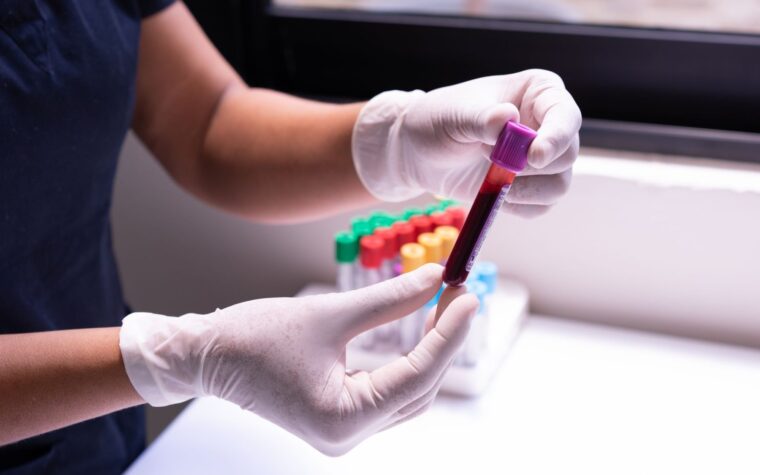
The actual venous draw takes roughly 5 to 10 minutes from the moment the phlebotomist ties the tourniquet to the bandage going on. A single tube of blood takes under a minute to fill. The reason a routine visit runs 15 to 30 minutes is everything around the draw: check-in, confirming your order, labeling tubes, and the wait for a chair.
A few things genuinely change draw time. A large panel that needs five or six tubes still only adds a minute or two of fill time, because the tubes fill in sequence off the same needle stick. Hard-to-find veins, dehydration, or a nervous patient who needs a second site are the real delays. A skilled phlebotomist working a good vein can have eight tubes filled before a struggling one finds a single vein on a dehydrated arm.
If your test requires fasting, that is not draw time, but it shapes your morning. Most fasting draws happen first thing, and lines at Quest and Labcorp are longest between 7 and 9 a.m. when everyone shows up before breakfast. Walk in at lunchtime if your test does not require fasting, or book an early online slot if it does.
Draw time by scenario
| Scenario | Time in the chair | What drives it |
|---|---|---|
| Standard single panel | 5 to 10 minutes | One stick, one or two tubes |
| Multi-tube workup (10+ markers) | 10 to 15 minutes | More tubes, same single stick |
| Difficult veins or rolling veins | 15 to 20 minutes | Repositioning, second site |
| Pediatric or geriatric draw | 15 to 25 minutes | Smaller veins, extra care |
| Glucose tolerance test | 2 to 3 hours total | Timed draws after a sugar drink |
That last row is the one people forget. A glucose tolerance test is not a slow analyzer, it is a slow protocol: you drink a glucose solution, then sit for staged draws at 1 and 2 hours. The needle work is trivial; the clock is the wait between sticks. Plan to bring a book.
How long do blood test results take to come back?
The simplest way to actually get this done
Superpower is a full-body lab membership that runs 100+ biomarkers, has each result reviewed by a doctor, and tracks your numbers year over year (about $199/year). It is what we point readers to when they would rather get one clean, complete draw than chase single tests one at a time. Here is superpower reviewed in full.
Most routine blood test results come back within 1 to 3 business days, and a surprising number are technically ready the same day the sample reaches the analyzer. The gap between when your blood is processed and when you can read it is usually clerical, not scientific. Labs hold results for physician review, and many offices release them to your portal on a delay so a clinician can flag anything abnormal first.
Here is the insider detail most people miss: “results are in” and “results are released to you” are two different events. A CBC can be analyzed in under an hour, but it may sit in your chart for two days until a nurse signs off. If you are waiting and anxious, calling the ordering office moves things faster than refreshing your portal. For the bigger picture across imaging and other diagnostics, see our guide on how long test results take by test type.
Typical turnaround by common panel
| Test | Typical turnaround | Why |
|---|---|---|
| Complete blood count (CBC) | Same day to 1 day | Fully automated analyzer |
| Basic / comprehensive metabolic panel | 1 to 2 days | Automated chemistry |
| Lipid panel | 1 to 2 days | Automated, often batched |
| Hemoglobin A1c | 1 to 2 days | Automated |
| Thyroid (TSH, free T4) | 2 to 4 days | Immunoassay, sometimes batched |
| Vitamin D, B12, ferritin | 2 to 5 days | Often sent to reference lab |
| Hormone panels (testosterone, cortisol) | 3 to 7 days | Immunoassay, frequently batched |
| PSA | 1 to 3 days | Automated immunoassay |
| Blood cultures | 1 to 5 days | Bacteria must grow first |
| Genetic / molecular panels | 1 to 3 weeks | Specialized reference lab |
Read this table as a planning tool, not a promise. The turnaround clock usually starts when the sample is accessioned at the lab, not when the needle comes out. A Friday afternoon draw and a Monday morning draw can have the same printed turnaround on paper and still land in your portal days apart, because the weekend does not count as processing time at most outpatient labs.
What actually happens to your blood after the draw?
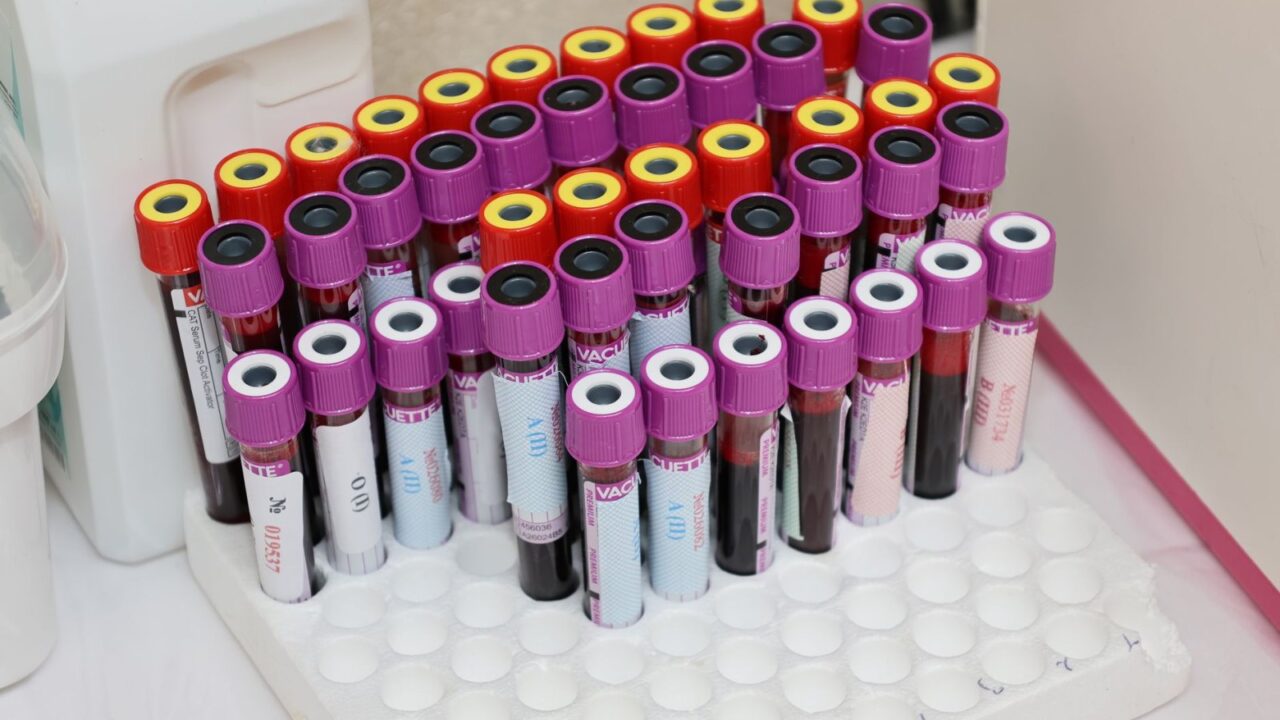
Once your tube is labeled, it joins a pipeline with several hand-offs, and each hand-off is a place the clock can stall. Knowing the steps tells you exactly where your sample is when you are staring at an empty portal.
- Collection and labeling. The tube is barcoded to you at the chair. A mislabel here is rare but voids the sample, forcing a redraw and resetting the clock.
- Courier pickup. If you drew at a clinic or a draw-only site, a courier moves your tube to the processing lab. Pickups run on a schedule, often once or twice a day, which is why a late-day draw can lose 12 to 24 hours before processing even begins.
- Accessioning. The lab logs the sample into its system. This is when the official turnaround clock usually starts.
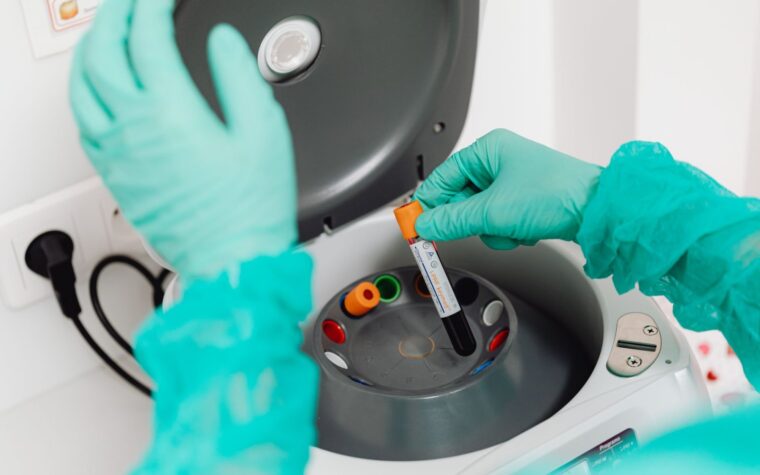
- Centrifuge and prep. Many chemistry tests run on serum or plasma, so the tube is spun to separate cells from fluid. This takes minutes, not hours.
- Analysis. Automated analyzers run the common panels fast. A CBC or metabolic panel is often a sub-hour job for the machine itself.
- Verification and release. Results are checked, sometimes re-run if a value is implausible, then released. Outpatient results then often wait on a clinician before they hit your portal.
The pattern is clear once you see it: the machine is rarely the bottleneck. Couriers, batching schedules, and human review queues are where days disappear. A test that is “analyzed in 40 minutes” can still take 3 days to reach you because it sat between steps 2 and 6 for most of that time.
STAT versus routine: why the same test can take an hour or a week
The single biggest driver of speed is whether your test is ordered STAT or routine. STAT means urgent, run-it-now, and it reorders the entire queue. The exact same CBC that takes 2 days as an outpatient routine order comes back in 30 to 60 minutes when an ER orders it STAT, because the sample skips couriers and batching and goes straight to a dedicated rapid analyzer.
This is why setting matters so much. An emergency room and a retail clinic can run the identical assay and deliver it on wildly different timelines. The biology is the same; the priority lane is not.
| Setting | Typical order type | Realistic turnaround for a CBC |
|---|---|---|
| Emergency room | STAT, on-site | 30 to 90 minutes |
| Hospital inpatient | STAT or routine, on-site | 1 to 4 hours |
| Urgent care with in-house lab | Rapid or routine | Same visit to 1 day |
| Doctor’s office draw, sent out | Routine | 1 to 3 days |
| Retail or direct-to-consumer | Routine, sent to reference lab | 1 to 3 days |
One nuance worth knowing: STAT is not free to use at will. Labs reserve it for clinical urgency because a STAT order pulls a tech off the routine line. You cannot phone your outpatient lab and ask them to run your cholesterol STAT because you are impatient. If speed is genuinely your priority, the lever is choosing a faster setting up front, not pressuring a routine lab after the fact.
What blood tests take the longest to get results?
The slowest blood tests are the ones that require living cells to grow, an outside reference lab, or specialized equipment that runs in batches. A standard chemistry panel is nearly instant for the machine; a blood culture has to incubate for days before anyone can read it.
These are the usual long-wait categories:
- Blood cultures: 1 to 5 days, because bacteria need time to grow before they can be identified. There is no way to rush biology here. If something does grow, an extra round of sensitivity testing tells doctors which antibiotic will work, adding another day or two.
- Genetic and molecular tests: 1 to 3 weeks. These almost always ship to a specialized reference lab and run on a fixed schedule, sometimes only once or twice a week.
- Hormone and autoimmune panels: 3 to 10 days when batched, especially less common assays where the lab waits to accumulate enough samples to run a plate efficiently.
- Pathology-reviewed work: bone marrow or specialized smears need a human pathologist, not just a machine, and that review is scheduled around a person’s caseload.
- Allergy and specialized antibody testing: often a week or more, frequently sent out and batched.
One practical note: if a single odd value triggers a reflex test (the lab automatically adds a follow-up assay), your turnaround resets to the slower test. The classic example is a TSH that comes back abnormal and reflexes to a free T4, or a positive screening test that reflexes to a confirmatory one. That is why a “routine” panel sometimes comes back days later than expected. None of this is a red flag by itself, so resist reading panic into a delay.
How can you actually get your results faster?
You have less control over the lab than the marketing for direct-to-consumer testing implies, but a few moves genuinely shave time off the wait. Most of them are about avoiding the slow lanes, not speeding up the fast ones.
- Draw early in the day, early in the week. A Monday or Tuesday morning draw catches the first courier and avoids the weekend dead zone. A Friday 4 p.m. draw is the worst case for routine work.
- Ask whether the test runs in-house. If your lab runs a panel on its own analyzers, you skip courier transit entirely. Send-outs are the slow ones.
- Sign up for portal access before the draw, not after. Many offices release to the portal automatically the moment a clinician signs off. If you are not enrolled, you wait for a callback instead.
- Call the ordering office, not the lab. Once results are “complete,” the holdup is usually clinician review on the ordering side. A polite call to that office moves a sign-off faster than anything you can do at the lab.
- Choose your setting for urgency. If you truly need numbers today, an urgent care or ER with an on-site lab will beat any mail-in or retail option that routes to a reference lab.
What does not help: refreshing the portal, paying extra at a routine lab, or asking a phlebotomist to rush the analyzer. None of those touch the real bottlenecks.
How do you read your blood test results?
Read your blood test results by comparing each value to the reference range printed beside it, then looking at the flag column rather than the raw number alone. Labs mark results “H” for high or “L” for low against their own reference range, and those ranges differ slightly between Quest, Labcorp, and hospital labs. A value that is barely outside the range is rarely the same concern as one that is far outside it.
A few rules that save needless worry:
- Trends beat snapshots. One out-of-range value matters less than the same marker drifting over three draws. A single high reading can be a bad night of sleep or a heavy meal.
- Context changes interpretation. A high triglyceride reading after a non-fasting draw can be meaningless; fasting matters for triglycerides but not for A1C, which reflects months of average glucose regardless of your last meal.
- Reference range is not a target. It is the middle 95% of a reference population, not a personalized optimal. Being inside the range is not the same as being in great shape, and a flag at the edge is not the same as a problem.
- Units matter. The same marker can be reported in different units by different labs, so comparing a number across two labs without checking units is how people scare themselves for no reason.
If anything is flagged, talk to a clinician about your results before you self-diagnose from a search bar. To know which markers are worth following over time rather than chasing every flag, see the biomarkers worth tracking, and to understand what a single broad draw actually covers, here is what goes into a complete blood panel.
If you are getting blood drawn anyway, it is often smarter to capture a full baseline at once instead of paying for one test now and another next month. Here is the Superpower blood test review showing how a full-body panel compares.
What makes blood work slower than expected?
Blood work runs slow for reasons that have nothing to do with how sick you are, and knowing them keeps you from spiraling while you wait. Most delays are logistical: collection timing, courier schedules, and review queues.
- Late-day or weekend draws. Samples collected Friday afternoon may not be processed until Monday. The clock often starts at courier pickup, not at your appointment.
- Send-out tests. If your local lab does not run a test in-house, it ships to a reference lab, adding transit days.
- Physician review. Many results sit “complete” while waiting for a clinician to release them to your portal.
- Reflex testing. An abnormal screen that auto-triggers a confirmatory test resets your clock to the slower assay.
- Redraws. A clotted, hemolyzed, or mislabeled tube cannot be run, and a redraw starts the entire timeline over.
- Insurance or billing holds. Rare, but a test flagged for prior authorization can stall before it even runs.
Cost and setting also interact with speed. A retail draw at CVS MinuteClinic or a direct-to-consumer order can be faster to schedule but route to the same reference labs, so the result clock is similar. For what each setting charges, see How Much Does Blood Work Cost, and if you are deciding where to go in a hurry, Does Urgent Care Do Blood Work covers what they can and cannot run on site.
Common mistakes people make about blood work timing
Most of the frustration around blood work comes from a handful of wrong assumptions. Clearing them up makes the whole experience less stressful.
- Assuming the draw date is the start of the clock. For send-outs, your timeline often starts at the reference lab days later, not at your appointment.
- Reading a delay as bad news. A longer wait usually means the test is complex or batched, not that something alarming was found. Truly urgent abnormals trigger a phone call, not silence.
- Expecting all panels in one batch. If your order mixes a fast CBC with a slow vitamin D, the fast results may post first and the slow ones trickle in later. A half-empty portal is normal, not an error.
- Skipping fasting prep and forcing a redraw. Eating before a fasting lipid panel can make the lab reject or repeat it, which costs you days. Fasting does not slow processing, but breaking it can restart the whole process.
- Comparing two labs’ numbers directly. Different reference ranges and units make a same-marker comparison across labs misleading unless you account for both.
Edge cases: uninsured, minors, employer, and Medicare
The standard timelines assume a typical insured adult getting routine outpatient work. A few situations change the picture, mostly at the scheduling and billing end rather than the analyzer.
- Uninsured or cash-pay. The draw and turnaround are identical, but you may need to pay up front, and some labs require pre-payment before they release results. Direct-to-consumer labs that bill cash often post results just as fast, sometimes faster, since there is no insurance hold.
- Minors. Pediatric draws can take longer in the chair because of smaller veins and the need for a guardian’s consent, but processing time is the same. Some results for minors route through the pediatrician before release.
- Employer-required testing. Pre-employment or occupational panels (often drug screens) frequently use a chain-of-custody process and go to a designated lab, which can add a day or two for the paperwork rather than the science. A non-negative screen reflexes to confirmatory testing, adding more time.
- Medicare and older adults. Coverage rules can require the test be tied to a documented diagnosis, and a coverage question can hold a claim, though it rarely holds the result itself. The draw may take longer for fragile veins.
Who should choose what: a quick decision guide
Match your situation to the fastest reasonable path instead of defaulting to whatever is nearest.
- You need answers today (symptoms, urgency): go to urgent care or an ER with an on-site lab. STAT, in-house processing is the only thing that delivers same-hour results.
- Routine annual or screening work: a scheduled draw at Quest or Labcorp early in the week is fine. Expect 1 to 3 days and do not read into a normal wait.
- You want a broad baseline and convenience: a direct-to-consumer full panel lets you capture many markers in one draw without a separate doctor visit, though specialized markers still run on reference-lab timelines.
- You are tracking a specific marker over time: use the same lab each time so reference ranges and units stay consistent, which makes trends readable.
- Cost is the deciding factor: compare cash-pay direct labs against insurance, since for routine panels the turnaround is similar and the price gap can be large.
FAQ
How long does it take to get blood work back from a routine physical?
Most routine physical panels (CBC, metabolic panel, lipids) are back within 1 to 3 business days. Your doctor’s office often releases them to your portal a day or two after that so a clinician can review them first. If you are not seeing them, the holdup is almost always sign-off on the ordering side, not the lab.
How long for blood test results in an emergency room?
ER labs are prioritized and run on-site, so core results like a CBC, metabolic panel, and troponin typically come back within 30 to 90 minutes. That speed is the difference between an automated STAT lab and a routine outpatient draw that gets batched and couriered.
How long does blood work take for results from a fasting test?
Fasting does not change lab processing time. A fasting lipid panel or glucose test still returns in 1 to 2 days; fasting only affects when you can draw and the accuracy of the reading, not the turnaround. Breaking the fast, though, can force a redraw and cost you days.
How long do results take for a blood test sent to a reference lab?
Send-out tests usually add 3 to 10 days on top of normal turnaround because of transit and the reference lab’s batch schedule. Vitamin panels, specialized hormones, allergy testing, and genetic tests are the common send-outs.
Why are some of my results in and others still pending?
Orders that mix fast and slow tests post in pieces. An automated CBC may show up the same day while a batched hormone or send-out vitamin sits pending for several more days. A partially filled portal is normal and not a sign of a problem.
Can I pay to get my blood work results faster?
Not at a routine outpatient lab. STAT processing is reserved for clinical urgency and cannot be bought for convenience. The real lever is choosing a faster setting up front, such as an urgent care or ER with an on-site lab, rather than trying to rush a routine order after the draw.
How long does a blood culture take and why so long?
Blood cultures take 1 to 5 days because bacteria have to grow in an incubator before they can be identified, and there is no way to speed up biology. If something grows, sensitivity testing to pick the right antibiotic adds another day or two. A negative culture is often not declared until the incubation window fully closes.
Does the type of lab (Quest, Labcorp, hospital) change how long it takes?
For common automated panels, turnaround is broadly similar across Quest, Labcorp, and hospital outpatient labs. The bigger variables are whether the specific test runs in-house versus ships out, the day and time of your draw, and how quickly the ordering clinician signs off. Reference ranges differ slightly between them, which matters for reading results, not for timing.
How long should I wait before calling about missing results?
For routine panels, give it 3 business days from the draw before calling, and remember the weekend does not count as processing time. If you drew Friday afternoon, Wednesday is a reasonable first check-in. Call the ordering office rather than the lab, since the final step is usually clinician release.
Will I be told right away if something is seriously wrong?
Yes. Critically abnormal values trigger an immediate call from the lab to the ordering clinician, often within hours, regardless of normal release timelines. Silence after a few days almost always means nothing urgent surfaced, not that bad news is being withheld.