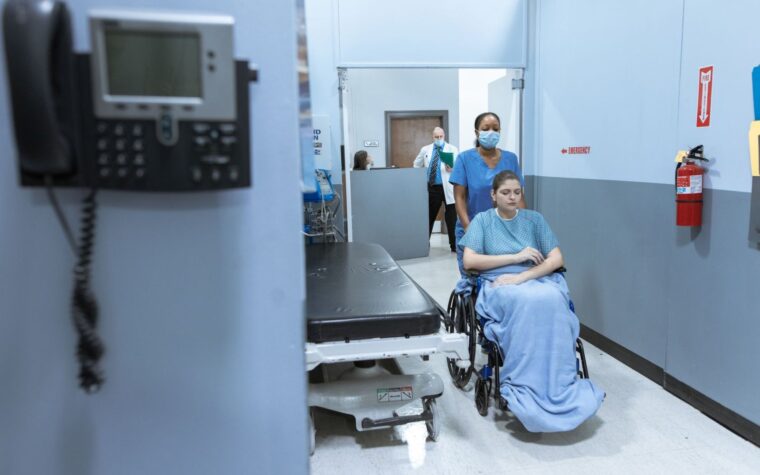
Heroin-assisted treatment (HAT) is a supervised program where patients with severe opioid addiction receive pharmaceutical heroin twice daily. A recent study from two clinics in Oslo and Bergen, Norway, found that this approach improves patients’ health and quality of life. The treatment is administered under close supervision by health personnel.
Key takeaways
- Pharmaceutical heroin is given twice daily under medical supervision.
- Patients show improvements in both physical health and overall quality of life.
- The program targets individuals who have not responded to other treatments.
What is heroin-assisted treatment?
Heroin-assisted treatment, or HAT, is a medical intervention for people with long-standing, severe opioid addiction who have not benefited from standard approaches like methadone or buprenorphine. In this program, patients receive a prescription of pharmaceutical-grade heroin, also known as diacetylmorphine, under strict medical supervision. The goal is to stabilize their condition, reduce illicit drug use, and improve overall health and social functioning.
According to the original report from Medical Xpress, the treatment is offered at two clinics in Norway, one in Oslo and one in Bergen. Patients attend the clinic twice each day to receive their dose and are monitored by health professionals to ensure safety and proper dosing. This model is similar to programs used in countries like Switzerland, Germany, and the Netherlands.
How does the program work?
Patients in the program visit the clinic twice daily, every day of the week. Each dose of pharmaceutical heroin is administered orally or by injection under the direct supervision of a nurse or doctor. The dose is tailored to the individual’s needs. After administration, patients remain in a supervised area for a short period to monitor for any adverse effects.
The program also includes psychosocial support, such as counseling and help with housing or employment. The medical team works closely with each patient to adjust treatment and address any other health issues. This comprehensive approach is designed to address both the addiction and the broader social and medical challenges that often accompany it.
What did the study find?
The study, conducted at the two Norwegian clinics, examined the health and quality of life outcomes of patients receiving heroin-assisted treatment. The findings, as reported by Medical Xpress, showed that patients experienced significant improvements in both physical health and overall quality of life. The supervised setting also reduced the risks associated with illicit heroin use, such as overdose and blood-borne infections.
The researchers noted that the improvements were particularly notable among patients who had previously failed to respond to other treatments. The study adds to a growing body of evidence that HAT can be an effective last-resort option for a small, carefully selected group of individuals with severe opioid addiction.
Why is this approach important?
Opioid addiction remains a major public health problem in many countries. For some people, standard treatments like methadone or buprenorphine are not effective, or they may have side effects that prevent them from staying in treatment. Heroin-assisted treatment offers an alternative for this difficult-to-treat population. By providing a safe, legal supply of heroin under medical supervision, the program aims to reduce the harms of illicit drug use, stabilize patients’ lives, and improve their health and social functioning.
The study from Norway suggests that HAT can be a valuable addition to the range of services available for opioid addiction. It is not a first-line treatment, but rather a targeted intervention for those who have exhausted other options. The results highlight the importance of individualized care and the need for a spectrum of treatment approaches to address the complex nature of addiction.
Frequently Asked Questions
Is heroin-assisted treatment the same as giving heroin to addicts?
No, it is a medical treatment, not simply handing out the drug. The pharmaceutical heroin is given under strict medical supervision in a clinic setting. Patients are carefully monitored, and the dose is controlled. The goal is to stabilize the patient and reduce the harms of illicit drug use, not to enable addiction.
Who is eligible for heroin-assisted treatment?
Eligibility is typically limited to people with long-term, severe opioid addiction who have not responded to other treatments such as methadone or buprenorphine. They must also be willing to follow the program’s rules, including attending the clinic twice daily and participating in psychosocial support. Each patient is assessed individually by a medical team.
Does the treatment lead to recovery or cure?
Heroin-assisted treatment is not a cure for addiction. It is a harm reduction and stabilization approach. For many patients, it improves their health and quality of life and reduces their involvement in illegal activities. Some may eventually transition to other treatments, while others may remain on HAT long-term. The goal is to improve outcomes, not necessarily to achieve complete abstinence.
This is an original report by Vital Signs Today, informed by reporting from Medical Xpress. Read the original source.
This article is for information only and is not medical advice. See our Medical Disclaimer.