People who take GLP-1 medications for weight loss or diabetes may be exercising less, according to a report presented at the Endocrine Society. The findings suggest that while these drugs can help reduce body weight, patients might become less physically active during treatment. Experts urge healthcare providers to consider exercise counseling as part of a comprehensive care plan.
On the surface this sounds like a minor behavioral footnote. It is not. The whole promise of losing weight is to end up healthier, and a large part of what makes weight loss healthy depends on what kind of tissue you keep and what kind you shed. If the pounds are coming off but activity is dropping at the same time, the body composition math can quietly turn against you even as the scale delivers exactly the number you wanted. That is the tension this report puts a finger on, and it is one of the most important things a person starting these drugs needs to understand before month one.
Key Takeaways
- A study presented at the Endocrine Society found that GLP-1 drug users showed a decline in physical activity levels.
- The drop in exercise could undermine some of the long-term health benefits associated with weight loss.
- Less activity during rapid weight loss raises the risk of losing muscle and bone along with fat.
- Protein intake and resistance training are the two most effective counterweights, and both are within a patient’s control.
- Healthcare professionals are encouraged to actively promote exercise alongside GLP-1 therapy.
What the Report Found
The simplest way to actually get this done
Superpower is a full-body lab membership that runs 100+ biomarkers, has each result reviewed by a doctor, and tracks your numbers year over year (about $199/year). It is what we point readers to when they would rather get one clean, complete draw than chase single tests one at a time. Here is superpower reviewed in full.
The report, released by the Endocrine Society, examined physical activity patterns among individuals taking GLP-1 receptor agonists such as semaglutide and liraglutide. According to the findings, patients reported engaging in less exercise after starting these medications compared to their activity levels before treatment. The exact reasons for the decline were not detailed in the report, but researchers speculate that side effects such as nausea, fatigue, or a reduced appetite for movement may play a role. The data underscore a potential gap in current weight management strategies that focus heavily on drug efficacy without addressing lifestyle changes.
There is a plausible chain of cause and effect behind the numbers. These drugs work largely by reducing how much you eat, which means less fuel coming in. Less fuel, combined with the nausea and early fatigue many people feel during the ramp-up, naturally nudges someone toward doing less. On top of that, some of the drive to move comes from the body itself, and a body running on a lower energy budget tends to conserve. None of this is a character flaw or a lack of willpower. It is a predictable physiological response to eating substantially less, and it is exactly why the solution is a deliberate plan rather than a lecture about trying harder.
Why Exercise Matters for People on GLP-1 Drugs
Exercise is a cornerstone of metabolic health. It helps preserve lean muscle mass, improves insulin sensitivity, and supports cardiovascular function. When patients lose weight solely through medication, they may also lose muscle tissue. Regular physical activity can counteract muscle loss and enhance the overall metabolic benefits of weight reduction. The Endocrine Society report suggests that if exercise declines, patients may not achieve the full range of health improvements they could gain from combining drug therapy with an active lifestyle. For individuals with type 2 diabetes, exercise also helps control blood sugar levels, which is particularly important when using GLP-1 drugs that already affect glucose regulation.
The muscle problem hiding behind the scale
Here is the single most important thing to understand about rapid weight loss of any kind, drug-driven or not: the weight you lose is never pure fat. It is always a mix of fat, muscle, water, and even a little bone. Research on GLP-1 drugs has found that a meaningful fraction of the total weight lost can be lean tissue rather than fat, and the faster and larger the loss, the more that matters. The scale cannot tell the difference. It shows a smaller number whether you shed a pound of fat or a pound of muscle, which is exactly why the scale is a poor judge of whether weight loss is actually making you healthier.
Muscle is not just about looking toned or being strong. It is metabolically active tissue that burns energy at rest, acts as the body’s main sink for blood sugar, and underpins nearly everything about how you function as you age: balance, the ability to get up off the floor, protection against falls, and the reserve that carries you through an illness. Lose too much of it and you can arrive at your goal weight metabolically worse off than you started, with a lower resting metabolic rate that makes the weight easier to regain and harder to keep off. When exercise drops at the same time the drug is stripping weight, you remove the one signal that tells the body to hold onto muscle. That is the core danger this report is pointing at.
Bone deserves a mention too. Weight-bearing activity is one of the main signals that keeps bone dense, and rapid weight loss can pull mineral out of the skeleton. For older adults especially, losing muscle and bone at the same time is a recipe for frailty down the line. The point is not to frighten anyone off a drug that genuinely helps. It is to make clear that keeping muscle and bone is an active job, and stopping moving during treatment is the fastest way to fail at it.
Protein: the other half of the equation
Exercise gets most of the attention, but on these drugs protein is its equal partner, and it is often the harder one to get right. GLP-1 medications blunt appetite across the board, so people naturally eat less of everything, including the protein that muscle needs to maintain itself. When calories are low and protein is low and activity is low all at once, the body has every reason to break muscle down for fuel. Raising protein intake pushes back directly, giving the body the raw material to preserve lean tissue even in a calorie deficit.
The practical challenge is real: when nausea and early fullness make eating a chore, protein is exactly the food people skip, because it feels heavy. That is why prioritizing it deliberately matters so much. Front-loading protein earlier in the day before appetite fades, leaning on easier-to-tolerate sources like Greek yogurt, eggs, fish, or a protein shake, and treating protein as the non-negotiable part of each meal are all sensible moves to discuss with a clinician or dietitian. The combination that actually protects muscle is not exercise alone or protein alone. It is both, together, held steady through the very weeks when it feels hardest to do either.
How to Maintain Physical Activity While Taking GLP-1 Medications
Patients and clinicians can work together to keep exercise levels stable. Strategies include starting with low intensity activities such as walking or stretching to manage potential fatigue or nausea. Setting small, achievable goals and gradually increasing duration can help build consistency. Some patients may benefit from working with a physical therapist or exercise specialist who understands the side effects of GLP-1 drugs. The report emphasizes that exercise should be viewed as a necessary complement to medication, not an afterthought. Regular check ins with a healthcare provider can help adjust exercise plans as treatment progresses.
If muscle is the thing most at risk, then resistance training is the specific tool that protects it, and it deserves top billing over cardio for this particular purpose. Lifting weights, using resistance bands, or doing bodyweight movements like squats, sit-to-stands, and push-ups sends the exact signal that tells the body to keep its muscle while the fat comes off. It does not require a gym or heavy loads to start. Two or three short sessions a week that work the major muscle groups is enough to change the trajectory, and for someone dealing with fatigue, short and frequent beats long and exhausting.
Timing the effort to how you feel is the other practical key. Many people notice that nausea and fatigue are worst in the days right after a dose and ease as the week goes on. Scheduling the more demanding sessions for the better days, and keeping the rough days to a gentle walk, lets you stay consistent without fighting the drug. Steps still count, too. Simply protecting a baseline of daily walking, taking stairs, standing and moving through the day, offsets a real portion of the activity decline the report describes, and it is the easiest habit to hold when energy is low.
None of this dismisses cardio. Walking, cycling, and swimming remain excellent for the heart and for blood sugar control, and they pair well with the glucose-lowering effect of GLP-1 drugs. The point is one of priority under constraint. When energy and appetite are both suppressed, you cannot always do everything, so if something has to give, protect the strength work and the protein first, because those are the pieces guarding your muscle. Add the cardio back as your energy returns and the side effects settle, which for most people happens as the body adjusts to a steady dose.
Why the stakes rise if you ever stop the drug
There is a longer game here that makes the muscle question even more pressing. Many people do not stay on these medications forever, whether by choice, cost, or supply. When someone comes off a GLP-1 drug, appetite typically returns and a portion of the lost weight often comes back. Here is the catch: weight regained after a period of muscle loss tends to come back disproportionately as fat, because fat is easier for the body to add than muscle. Do that cycle a few times, lose muscle on the way down, regain fat on the way up, and you can end up with a worse body composition than you began with, even at a similar weight.
Protecting muscle during the weight-loss phase is what breaks that cycle. The person who kept lifting and kept their protein up arrives at their goal with their muscle largely intact, a healthier metabolic rate, and a far better platform to maintain the loss or to weather coming off the drug. This is the strongest argument against treating exercise as optional while on treatment. It is not just about maximizing benefit now. It is about not setting a trap for your future self.
Older adults have the most to protect
The muscle question is important for everyone on these drugs, but for older adults it moves from important to critical. Muscle mass naturally declines with age, a process called sarcopenia, and it is one of the main drivers of frailty, falls, and loss of independence in later life. An older person already fighting a slow downhill slope on muscle who then loses weight rapidly, eats less protein, and moves less can accelerate that decline sharply. The weight loss may improve their blood sugar and their joints, but if it comes at the cost of the muscle that keeps them steady on their feet, the trade can be a bad one.
This does not mean older adults should avoid GLP-1 drugs. It means the protective habits are not optional for them. Resistance training and adequate protein shift from good ideas to essential parts of the treatment, and for many older patients a short course with a physical therapist to learn safe strength movements is worth every minute. The goal is to arrive at a lower weight stronger and steadier, not lighter but more fragile.
A realistic scenario
Consider two people who both start semaglutide and both lose the same amount of weight over six months. The first treats the drug as the whole plan. Appetite gone, she eats little, skips the protein because it feels heavy, and stops her old evening walks because she feels wiped out. The scale drops beautifully. The second keeps two short strength sessions a week even on tired days, front-loads protein early in the day, and protects a daily walk. Her scale drops by the same amount.
Six months later they look identical on the scale and completely different everywhere that matters. The first has lost a chunk of muscle, has a lower resting metabolic rate, feels weaker, and is primed to regain fat the moment her appetite returns. The second kept her strength, holds a healthier metabolism, and has a real platform to maintain her results or to come off the drug without a rebound. Same medication, same weight lost, two entirely different health outcomes. The difference was not the drug. It was everything the report is asking people not to abandon.
Track what matters, not just the scale
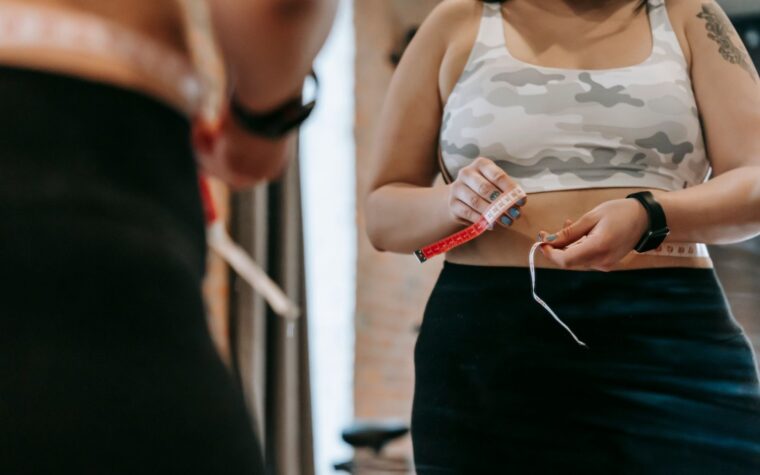
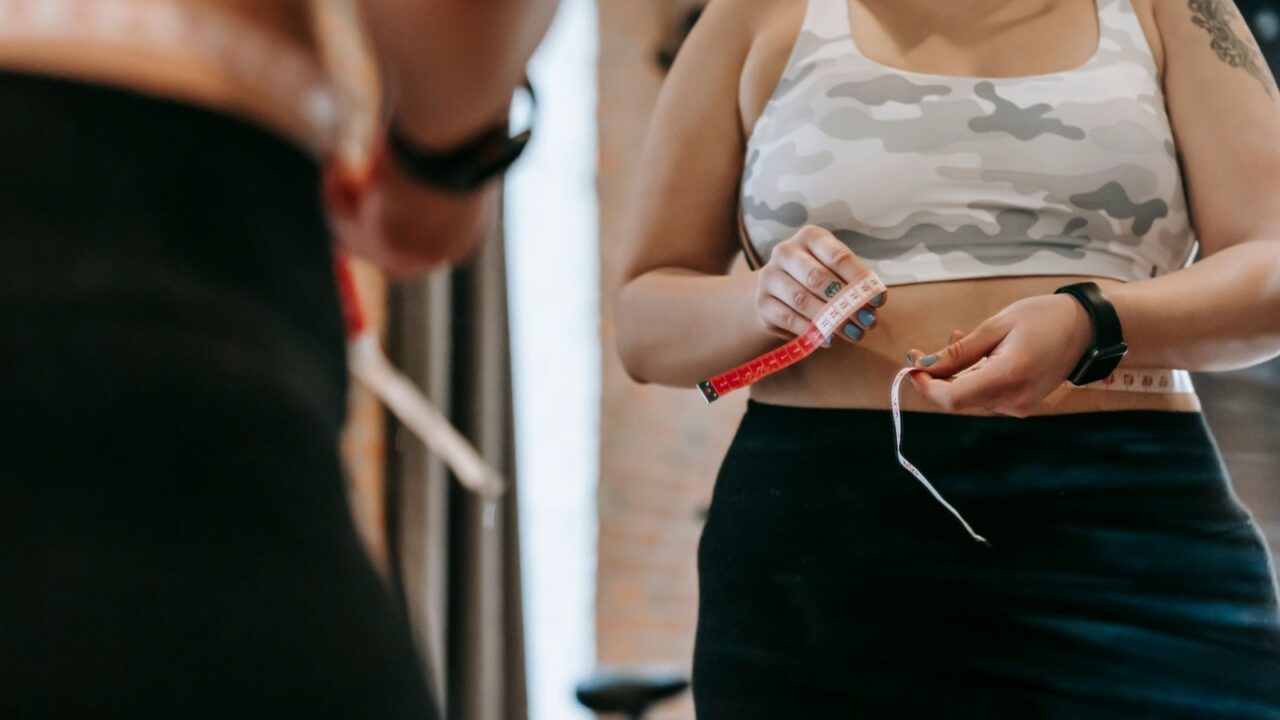
If the scale cannot tell muscle from fat, then leaning on it alone during GLP-1 treatment is flying half-blind. The more useful picture comes from tracking the things that actually reflect whether the changes are healthy. Simple, low-tech markers help: how your clothes fit, waist measurement, grip and general strength, whether you can still do the same number of sit-to-stands or push-ups you could a month ago. Holding or improving strength while the weight falls is the sign that you are keeping muscle.
The lab side matters just as much. The reason to be on one of these drugs is metabolic improvement, and the way to confirm you are getting it is to watch the markers underneath: blood sugar and A1c, insulin sensitivity, a lipid panel, and inflammation. If the weight is coming off but those numbers are not moving in the right direction, that is a signal worth catching early, and it usually points back to lost muscle or a lifestyle gap rather than the drug failing. Seeing the full set together, before you start and again as you go, turns weight loss from a number on a scale into something you can actually verify is making you healthier.
Want a real clinician to run the numbers, not a guess?
Joi + Blokes is a telehealth clinic that prescribes GLP-1 medication (Zepbound, compounded semaglutide and tirzepatide), hormone therapy (TRT, HRT), thyroid care, and peptides after a real lab panel and clinician review, with no membership or consult fee (prescriptions from about $59/month, lab panels from $149). If the scale will not budge, this is where you find out whether insulin, thyroid, or hormones are the real reason. Here is Joi + Blokes reviewed in full.
Frequently Asked Questions
Does every person taking a GLP-1 drug exercise less?
No. The Endocrine Society report describes a general trend observed in the study population. Individual experiences vary. Some people may maintain or even increase their activity levels, especially if they receive counseling or have prior exercise habits. The findings highlight the need for personalized support.
Can exercise reduce the side effects of GLP 1 medications?
Moderate exercise may help manage some side effects. For example, gentle movement can ease bloating or improve digestion. However, intense exercise might worsen nausea or fatigue in some individuals. It is best to consult a doctor before starting or adjusting an exercise routine while on GLP 1 therapy.
Should I stop my GLP 1 medication if I cannot exercise much?
No. Never stop a prescribed medication without discussing it with your healthcare provider. The weight and metabolic benefits of GLP-1 drugs are well established. If you find it difficult to stay active, talk to your doctor about ways to incorporate gentle exercise or refer you to a specialist. The drug and exercise should work together, not be considered a trade off.
How much protein should I aim for on a GLP-1 drug?
There is no one-size-fits-all number, and the right target depends on your body size, kidney health, and goals, so this is a conversation to have with your doctor or a dietitian. The general principle during weight loss is that protein needs go up, not down, precisely because you are trying to preserve muscle in a calorie deficit. The practical hurdle is that appetite suppression makes protein easy to skip, so most people benefit from planning it deliberately rather than leaving it to chance.
What type of exercise best protects muscle while losing weight?
Resistance training is the most direct tool for preserving muscle. That means anything that challenges your muscles against resistance: weights, bands, or bodyweight movements like squats and push-ups. Cardio is valuable for heart health and blood sugar, but it does not protect muscle the way resistance work does. A mix is ideal, but if you have limited energy, prioritizing a couple of short strength sessions a week gives you the most protection per unit of effort.
Will I regain the weight if I lost muscle during treatment?
Losing muscle makes weight regain more likely and less favorable, because muscle helps set your resting metabolic rate and weight regained after muscle loss tends to return as fat. This is why protecting muscle during the weight-loss phase matters for the long run, not just the moment. It does not doom you to regain, but it stacks the odds against you, which is the whole reason exercise and protein are worth the effort while you are on the drug.
This is an original report by Vital Signs Today, informed by reporting from Google News. Read the original source.
This article is for information only and is not medical advice. See our Medical Disclaimer.
Related: compare GLP-1 telehealth options.