Everlywell vs Labcorp OnDemand: Which At-Home Blood Test Is Right for You? (2026)
- Everlywell sells single, condition-specific kits (thyroid around $149, metabolism around $99) and ships everything to your door, so it wins when you want one targeted panel without ever visiting a lab.
- Labcorp OnDemand prices many tests lower (a comprehensive panel runs about $169) and runs them through Labcorp’s own national lab network, so it wins when you want diagnostic-grade results and the option of an in-person draw.
- If you want ongoing tracking rather than one snapshot, a membership like (100+ biomarkers, around $199/year) or Function Health covers more ground per dollar than buying single kits.
Disclosure: This article contains affiliate links. If you buy through them we may earn a commission at no extra cost to you. This does not change the prices you pay or our editorial assessment.
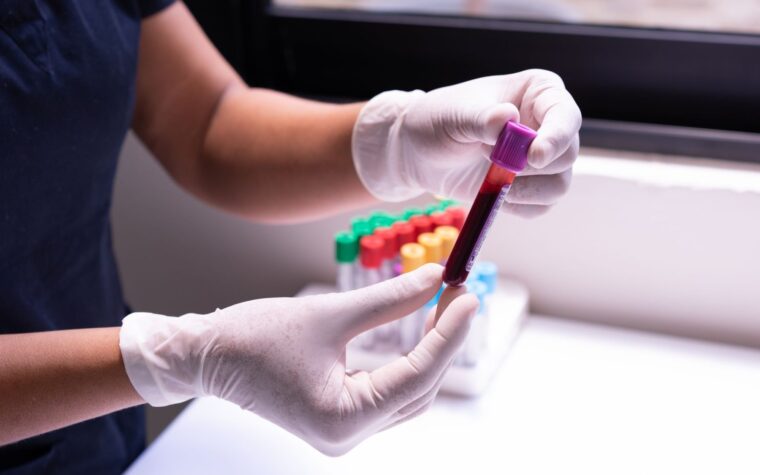
Everlywell and Labcorp OnDemand are two of the most recognized names in direct-to-consumer lab testing, but they solve slightly different problems. Everlywell is a kit company that packages specific panels for at-home collection, while Labcorp OnDemand is the consumer storefront of Labcorp, one of the two largest clinical labs in the United States. Below we score both on the axes that actually decide which one fits your situation, then give you a conditional verdict so you can pick fast.
Everlywell vs Labcorp OnDemand at a glance
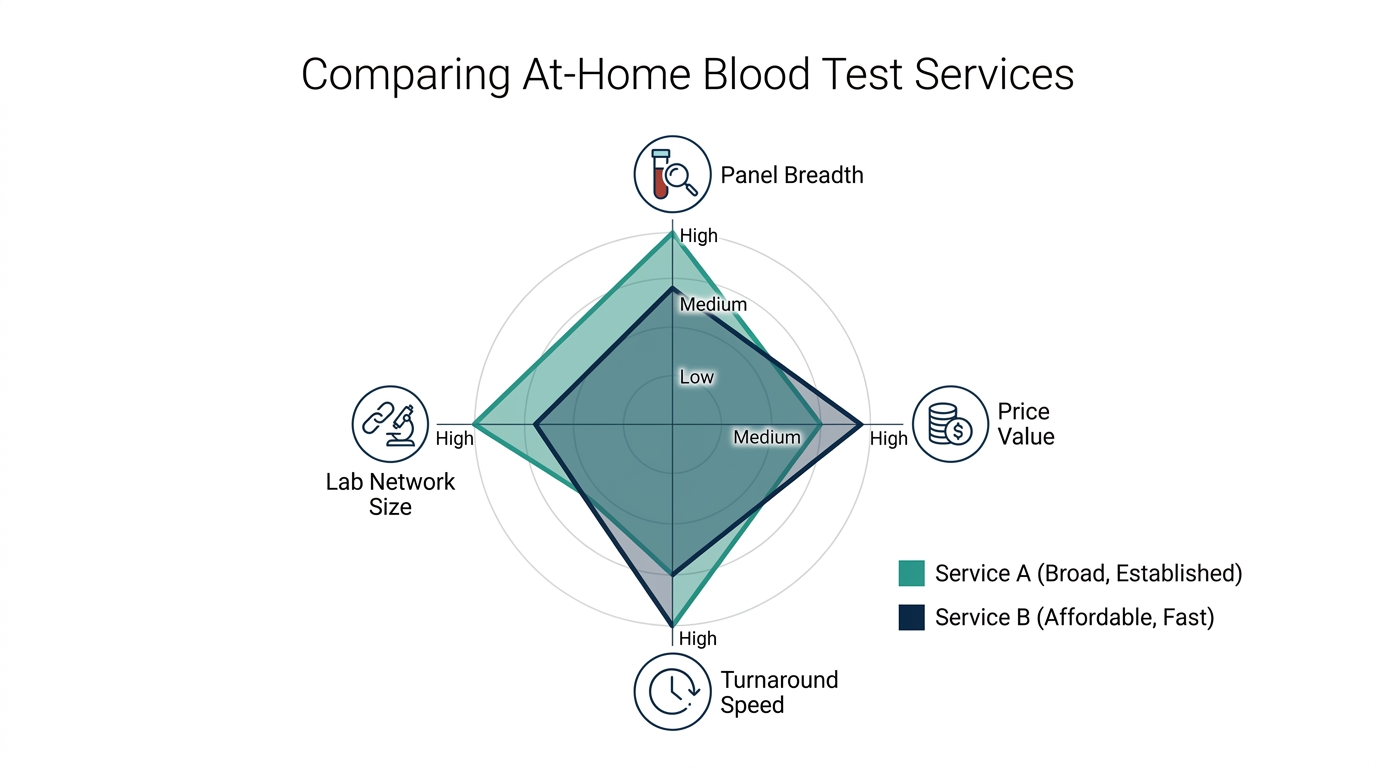
The short answer: choose Everlywell for a polished at-home experience on a single targeted panel, and choose Labcorp OnDemand for lower per-test pricing and the credibility of results processed in Labcorp’s own labs. The table below scores each service from 1 to 5 on the axes that matter.
Weighing a targeted kit against a full lab panel? See how a 100+ biomarker membership stacks up against both. One at-home Superpower draw checks 100+ biomarkers, physician-reviewed.
| Axis | Everlywell | Labcorp OnDemand |
|---|---|---|
| Price | 3 of 5. Kits run about $49 to $249; thyroid around $149. | 4 of 5. Often cheaper per test; comprehensive panel around $169, single tests from about $45. |
| Biomarkers covered | 3 of 5. Strong condition-specific panels, narrower per kit. | 4 of 5. Broad catalog; a 40-plus biomarker plan twice a year for about $398. |
| Sample method | 5 of 5. At-home finger-prick or saliva, mailed back. | 4 of 5. In-person draw at a Labcorp site, plus some at-home kits. |
| Physician review | 4 of 5. Physician-ordered and independently reviewed. | 4 of 5. Physician-ordered through Labcorp’s network. |
| Turnaround | 3 of 5. Days after the lab receives your mailed sample. | 4 of 5. Often faster because samples go straight to the lab. |
| Best for | 5 of 5. One targeted panel, no lab visit. | 4 of 5. Diagnostic-grade results at a lower price. |
Everlywell overview
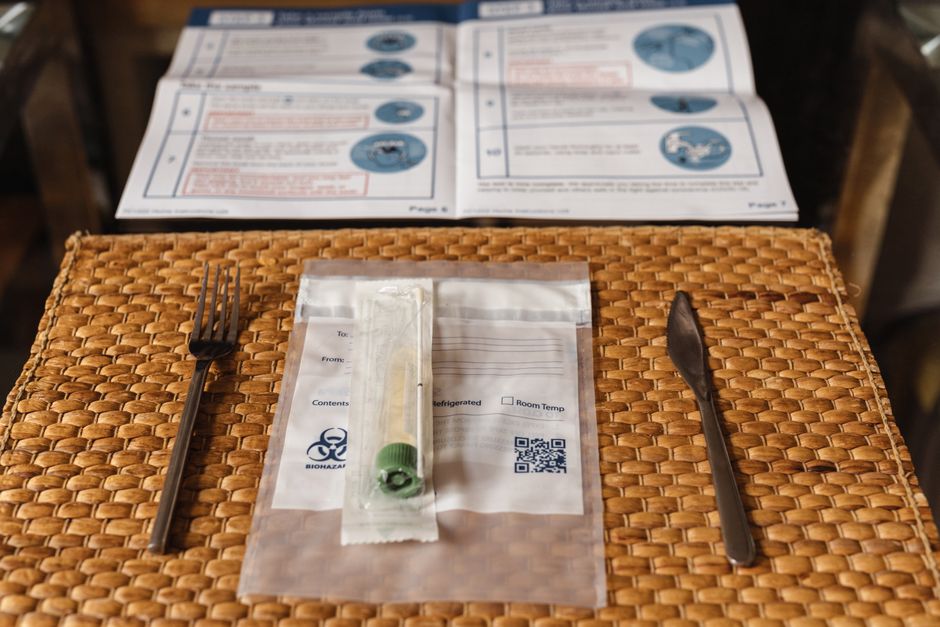
Everlywell is the better pick if you want a single, well-defined panel done entirely from home without a lab visit. The company sells individual test kits, ships them to you, and routes your sample to CLIA-certified labs, with results delivered through a clean digital dashboard. Tests are physician-ordered, so you do not need to bring your own doctor’s requisition.
The catalog leans into condition-specific panels: thyroid (TSH, free T3, free T4, TPO antibodies), hormone, metabolism, food sensitivity, and more. That focus is the appeal. If you suspect a thyroid issue or want a snapshot of metabolic hormones, you buy exactly that and nothing else.
Pros
- Fully at-home collection, no clinic visit required.
- Polished, easy-to-read results dashboard with guidance.
- HSA and FSA eligible, and a $39 per month membership for ongoing testers.
Cons
- Single kits can cost more than the equivalent panel at a clinical lab.
- Each kit is narrow, so covering many markers gets expensive fast.
- Mail-in adds a day or two before the lab even starts processing.
Pricing: roughly $49 to $249 per kit, with the thyroid test around $149 and the metabolism test around $99. Membership is about $39 per month.
Labcorp OnDemand overview
Labcorp OnDemand is the better pick if you want diagnostic-grade results at a lower price and you do not mind an in-person blood draw. It is the consumer-facing storefront of Labcorp, so your sample is processed in the same national lab network that hospitals and clinics use. You order online, then either visit a Labcorp patient service center for a draw or, for select tests, collect at home.
The catalog is broad, covering everything from a single fertility or colon-cancer screening test to comprehensive metabolic panels. A standout is the ongoing wellness plan that covers 40-plus biomarkers twice a year for about $398, which is strong value if you want recurring full-body snapshots from a clinical lab.
Pros
- Results processed in Labcorp’s own clinical labs.
- Frequently lower per-test pricing than at-home kit companies.
- In-person venous draws tend to be more accurate than finger-prick for some markers.
Cons
- Most tests require traveling to a Labcorp location.
- The interface is more clinical and less hand-holding than kit brands.
- At-home collection is limited to select tests.
Pricing: single tests start around $45, a comprehensive health panel is around $169, and the 40-plus biomarker wellness plan is about $398 per year for two rounds. New customers can often find a first-order discount.
Note: Labcorp OnDemand is mentioned here for comparison and is not an affiliate partner of this site, so there is no tracked link.
The verdict: which one should you choose?
There is no single winner here, because the right tool depends on whether convenience or cost and clinical depth matter more to you.
- Choose Everlywell if you want one specific panel (thyroid, hormones, metabolism, food sensitivity) handled entirely from home, you value a simple results dashboard, and you would rather avoid a lab visit even if it costs a little more. SEE PLANS AT EVERLYWELL →
- Choose Labcorp OnDemand if you want the lowest reasonable price per test, you trust results coming from a major clinical lab, and an in-person draw is no obstacle.
If you are really after ongoing optimization rather than a one-time check, neither single-kit approach is ideal. A membership built for tracking, like at around $199 per year for 100-plus biomarkers with a physician-reviewed dashboard, or the premium Function Health at around $499 per year for 100-plus tests twice a year, gives you far more biomarkers per dollar than buying kits one at a time. For the fastest at-home turnaround on a finger-prick draw, SiPhox Health is also worth a look and is HSA and FSA eligible.

How to choose between an at-home kit and a clinical lab
The Everlywell versus Labcorp OnDemand decision is really a decision about a broader tradeoff in direct-to-consumer testing: convenience versus clinical depth. Before you look at price, it helps to answer four questions about your own situation.
- Do you want one answer or a full picture? If you suspect a single issue, such as a thyroid problem, a targeted kit is efficient. If you want a broad baseline, a multi-biomarker panel or a membership covers more ground per dollar.
- Is a lab visit a barrier? For people with mobility limits, tight schedules, or no nearby lab, at-home collection is a genuine advantage. For others, a quick in-person draw is no obstacle and can be more accurate for certain markers.
- One snapshot or a trend? A single kit is a photograph. If you plan to retest and watch changes over time, a service designed for tracking makes more sense than buying kits one at a time.
- How will you act on the result? A result you will discuss with your own doctor has different needs from one you want fully interpreted for you in an app.
Answering these first tends to make the choice obvious, because it reframes the question from “which brand is best” to “which format fits how I will actually use the result.”
Finger-prick versus venous draw: what the difference means
One of the most practical distinctions between at-home kits and clinical labs is the collection method, and it affects accuracy for some tests more than others. This is worth understanding because it explains part of the price and convenience gap.
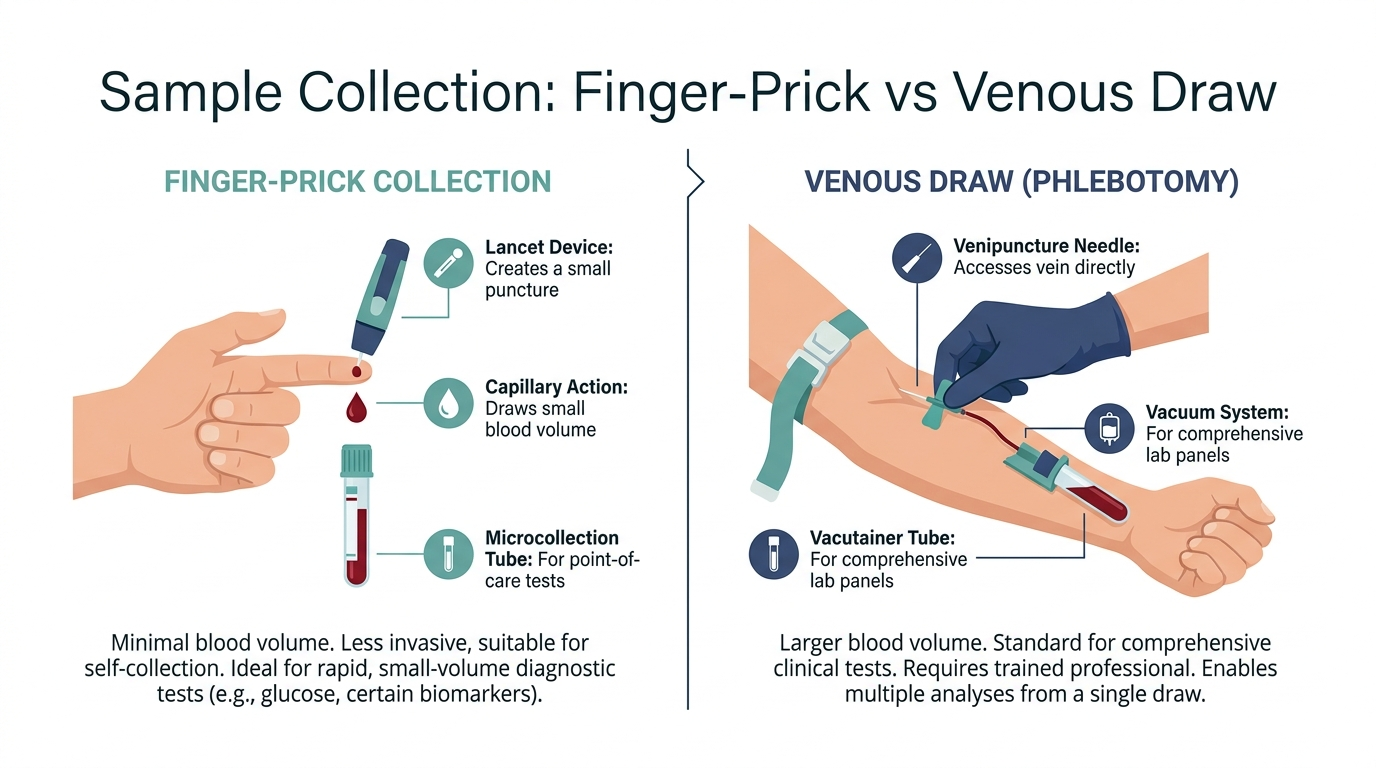
- Finger-prick (capillary) collection is what most mail-in kits use. You lance a fingertip and collect a small blood sample. It is convenient and painless enough to do at home, and it is well suited to many common markers.
- Venous draw takes blood from a vein through a phlebotomist, the standard clinical method. It yields a larger, more stable sample and is generally considered more reliable for certain tests where small-volume capillary samples can vary.
For a routine wellness snapshot, a well-run finger-prick test is usually adequate. If a result is borderline or clinically important, many clinicians will confirm it with a venous draw. This is a large part of why a clinical-lab option can feel more “diagnostic-grade,” and why some people use an at-home kit for screening and a lab draw for confirmation.
What CLIA certification actually tells you
Both types of service emphasize that they use CLIA-certified labs, and it is worth knowing what that label means so it does not become empty reassurance. CLIA stands for the Clinical Laboratory Improvement Amendments, a set of US federal standards that laboratories testing human samples must meet for accuracy and reliability.
A CLIA-certified lab has to meet quality requirements for how it runs and validates its tests. This is meaningful, because it means the actual analysis of your blood is held to a real standard regardless of whether the sample arrived by mail or from an in-person draw. What CLIA does not do is guarantee that a finger-prick sample was collected perfectly, or that a single result should be acted on without context. So the certification tells you the lab work is sound, while the collection quality and the interpretation are separate factors you still have to consider.
How to get an accurate at-home result
A surprising number of confusing results trace back to collection and timing rather than the lab. If you use an at-home kit, a few habits improve reliability.
- Follow fasting instructions. Some panels, especially those including glucose and cholesterol, ask for a fasting sample. Eating beforehand can distort those numbers.
- Mind the timing. Certain hormones vary by time of day or menstrual cycle, so kits often specify a morning collection or a particular cycle day. Ignoring this is a common source of odd results.
- Warm your hands and stay hydrated before a finger-prick, which improves blood flow and makes it easier to collect an adequate sample without squeezing, since over-squeezing can affect the sample.
- Mail the sample back promptly. Delays before the lab receives a mailed sample can degrade some analytes, one reason turnaround and sample stability matter for mail-in kits.
These small steps close much of the accuracy gap that people worry about with at-home collection.
Reading your results and knowing their limits
Whichever service you choose, the result is a starting point, not a diagnosis. A few principles keep you from over-reacting or under-reacting.
- Read against the lab’s own reference range. Ranges differ slightly between labs and methods, so compare your value to the range printed on your own report rather than a figure you found elsewhere.
- One abnormal value is a prompt, not a verdict. Timing, collection, and normal biological variation can all nudge a number. A borderline result usually warrants a repeat before conclusions.
- Context changes meaning. The same value can be reassuring or concerning depending on your symptoms, medicines, and other markers, which is why physician review is part of these services.
- Bring results to your own clinician when a value is clearly abnormal or you have symptoms. At-home testing complements medical care, it does not replace it.
Cost, insurance, and paying with HSA or FSA
Price is only part of the real cost, and how you pay can change the math. Direct-to-consumer tests are generally paid out of pocket rather than billed to insurance, which is part of the appeal of transparent pricing but also means you are not using an insurance benefit.
Many of these services, including at-home kit brands, are eligible for payment with a health savings account (HSA) or flexible spending account (FSA), which lets you use pre-tax dollars and effectively lowers the cost. If you have one of those accounts, it is worth checking eligibility before you buy. It is also worth remembering that a cheaper single test is not always the better value: if you end up buying several kits to cover what one broader panel or membership would have included, the piecemeal route can cost more in total. Comparing the price per biomarker, not just the sticker price, gives a fairer picture.

Your health data and privacy
Because these services handle sensitive health information, privacy is a reasonable part of the decision. Direct-to-consumer test companies are not always covered by the same rules as your doctor’s office, so it is worth a moment of due diligence.
- Read how results are stored and shared. Check the privacy policy for whether data is sold or shared with third parties and whether you can delete it.
- Look for clear consent controls. Reputable services let you control how your data and any samples are used and retained.
- Consider account security. Since results live in an online dashboard, a strong password and, where offered, two-factor authentication protect your information.
None of this should deter you from testing, but a quick check of the privacy terms is a sensible step with any company that holds your blood results.
What at-home blood tests can and cannot tell you
Setting expectations correctly is part of choosing well. These services are powerful for some purposes and simply not designed for others.
They are well suited to:
- Screening common wellness markers such as cholesterol, blood sugar, thyroid function, and key vitamins.
- Establishing a baseline you can retest against over time.
- Prompting a conversation with your clinician when something looks off.
They are not a substitute for:
- Diagnosing or ruling out a specific disease on their own, which requires a clinician who weighs your history and exam.
- Emergency evaluation of urgent symptoms, which needs in-person care.
- Complex or specialized testing that depends on precise clinical collection and oversight.
Seen this way, an at-home test is a screening and tracking tool that works alongside medical care rather than replacing it. Choosing the right service is easier once you accept that boundary, because it stops you from expecting a mail-in kit to do a doctor’s job.
Common mistakes when buying an at-home blood test
A few avoidable errors turn a useful test into a frustrating or wasteful one. Watch for these.
- Buying on sticker price alone. A cheap single kit can cost more overall if you end up buying several to cover what one panel would have included. Compare price per biomarker.
- Ignoring the prep instructions. Skipping a required fast or drawing at the wrong time of day is the most common reason a result looks off.
- Treating one number as a diagnosis. A single borderline value rarely means much on its own. Plan to repeat and read it in context.
- Expecting a kit to replace your doctor. These tests inform and screen, but a clearly abnormal result or real symptoms still belong with a clinician.
- Overlooking the trend. If your goal is optimization, a one-time snapshot answers less than a series of results over time, which favors a tracking membership.
Sidestepping these keeps the money you spend tied to a result you can actually use.
Matching the service to your scenario
To make the tradeoffs concrete, here is how the choice tends to shake out for common situations.
- You suspect a specific issue, like thyroid: a targeted at-home kit is efficient and avoids paying for markers you do not need.
- You want the lowest price and a lab visit is fine: a clinical-lab consumer option usually wins on cost per test.
- You want a broad yearly baseline: a multi-biomarker panel or a membership covers far more per dollar than several single kits.
- You want to track changes over time: a membership built for repeat testing beats buying one-off kits, because the value is in the trend.
- You cannot easily leave home: at-home collection is the deciding advantage, even at a modest price premium.
The pattern across all of these is simple. Start from how you will use the result, and the right format follows.
Don’t just read about your health, track it.
A single result is a snapshot. Superpower re-tests 100+ markers over time so you can watch them move as you change sleep, food, and training.
Frequently asked questions
Is Everlywell or Labcorp OnDemand more accurate?
Both use CLIA-certified labs, so both produce reliable results. Labcorp OnDemand processes samples in Labcorp’s own clinical network and often uses in-person venous draws, which can be more precise for certain markers than the finger-prick or saliva collection Everlywell uses at home.
Which is cheaper, Everlywell or Labcorp OnDemand?
Labcorp OnDemand is usually cheaper per test. A comprehensive panel runs about $169 there, and single tests start around $45, while comparable Everlywell kits often land higher because you are paying for the at-home convenience and packaging.
Do I need a doctor to order either test?
No. Both services are physician-ordered on your behalf, so you can buy directly without your own doctor’s requisition. Results from both are reviewed by a clinician before they reach you.
Can I do both tests entirely from home?
Everlywell is built for at-home collection on every kit. Labcorp OnDemand offers at-home collection only on select tests; most of its catalog requires a visit to a Labcorp patient service center for a blood draw.
What if I want to track many biomarkers over time?
For ongoing tracking, a membership beats buying single kits. Superpower covers 100-plus biomarkers for around $199 per year, Function Health offers 100-plus tests twice a year for around $499, and SiPhox Health focuses on fast at-home finger-prick panels. All three are better value per biomarker than purchasing Everlywell kits individually.