Most men think estrogen is a women’s hormone they want as little of as possible. That instinct is exactly backwards, and it can quietly wreck your bones, your belly, and your sex drive. The truth that endocrinologists learned the hard way is that a man with too little estradiol is often worse off than a man with too much.
Estradiol (the main form of estrogen) is not a contaminant in male physiology. It is a load-bearing hormone, and your body manufactures it on purpose by converting testosterone into estradiol through an enzyme called aromatase.
What is a normal estradiol level in men?
In adult men, a normal estradiol level is roughly 10 to 40 pg/mL (about 37 to 147 pmol/L) when measured with a sensitive or ultrasensitive assay. Levels above 40 to 50 pg/mL or below 10 pg/mL are where problems tend to appear. The exact reference range depends on your lab’s testing method, so always read the range printed on your own report.
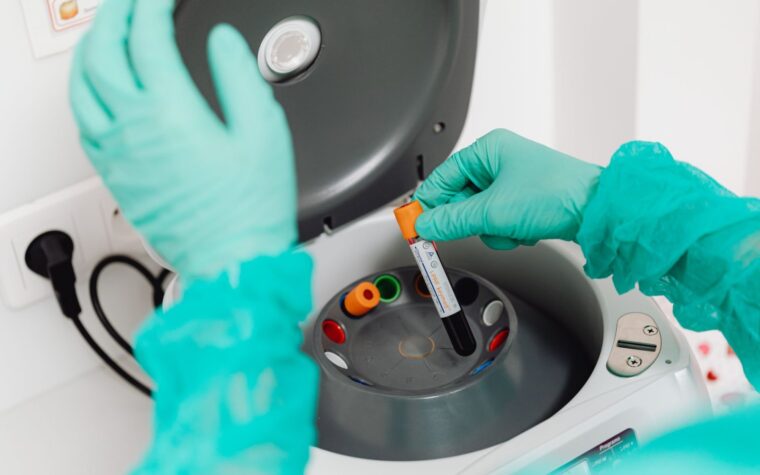
One critical caveat that trips up even some clinicians: male estradiol must be measured with a sensitive or ultrasensitive assay, typically liquid chromatography mass spectrometry (LC-MS/MS). Standard immunoassays were built for the much higher concentrations seen in women and are unreliable at male levels (Medscape, Estradiol Reference Range). If your result came back as a suspiciously round number from a basic panel, it may not be trustworthy.
Why do men need estrogen at all?
Here is the part that surprises people. In adult men, estradiol, not testosterone, is the primary regulator of bone health. The smoking-gun evidence came from rare men born with mutations that block aromatase or the estrogen receptor. These men had normal or high testosterone yet still had unfused growth plates, low bone density, and continued growing into adulthood. When researchers gave one such man estrogen, his bone mass increased substantially (New England Journal of Medicine, 1998).
That single case rewrote the textbooks. It proved that a man can be swimming in testosterone and still develop osteoporosis if his body cannot make estradiol.
The definitive controlled experiment came in 2013. Joel Finkelstein and colleagues at Massachusetts General Hospital ran a landmark study in nearly 400 healthy men, published in the New England Journal of Medicine. They medically shut down each man’s natural hormone production, then added back testosterone at various doses. Crucially, they gave half the men a drug (anastrozole) that blocks the conversion of testosterone to estradiol, so they could separate what each hormone actually does (Finkelstein et al., NEJM 2013).
The results were clean and a little shocking:
- Body fat is controlled by estradiol, not testosterone. When aromatization was blocked, the percentage of body fat increased across every testosterone dose group. Estrogen deficiency, not low testosterone, drove the fat gain (Finkelstein et al., NEJM 2013, full text).
- Muscle and lean mass are controlled by testosterone. Lean mass and thigh-muscle area tracked with testosterone levels, not estradiol.
- Sex drive needs both. In men with testosterone in the 200 to 400 ng/dL range, sexual-desire scores dropped 13% if estradiol stayed at 10 pg/mL or above, but fell 31% when estradiol dipped below 10 pg/mL.
Read that last point twice. Crashing your estrogen can tank your libido even when your testosterone looks fine on paper. This is the trap a lot of men on testosterone therapy fall into when they over-suppress estradiol.
What are the symptoms of high estradiol in men?
High estradiol in men is real and it does cause problems, just not the ones internet forums obsess over. The most consistent symptoms reported in clinical literature are gynecomastia (development of breast tissue, sometimes tender or swollen), reduced libido, erectile difficulty, water retention, fatigue, and mood changes such as irritability (Medical News Today, Estrogen in men).
What drives estradiol up? The biggest lever is body fat. Fat tissue is loaded with aromatase, the enzyme that converts testosterone into estradiol, so more fat means more conversion. This creates a vicious cycle: higher body fat raises estradiol, and as the Finkelstein data showed, low or imbalanced estrogen signaling can in turn promote more fat. Aging, heavy alcohol use, certain medications, and some liver conditions also nudge estradiol higher.
What about low estradiol in men?
Low estradiol is the underappreciated danger. Because estrogen guards male bone, men with chronically low estradiol face a higher risk of low bone mineral density and fractures over time. Finkelstein’s group found that estradiol levels needed to fall substantially before bone markers worsened, with roughly 10 pg/mL acting as a rough floor below which bone resorption climbed and sexual desire dropped.
The most common modern cause of low estradiol is iatrogenic, meaning it is caused by treatment. Men on testosterone replacement therapy who take aromatase inhibitors aggressively can drive their estradiol into the basement and end up with joint pain, low libido, and poor bone health while believing they are optimizing themselves. The clinical consensus is that aromatase inhibitors should be reserved for men with genuinely elevated estradiol who also have symptoms, not used reflexively (Hone Health).
Should you get your estradiol tested?
For most healthy men with no symptoms, routine estradiol screening is not standard. Testing makes sense if you have gynecomastia, unexplained low libido or erectile dysfunction, infertility being worked up, or if you are on or considering testosterone therapy. If you do test, insist on a sensitive or ultrasensitive (LC-MS/MS) assay and interpret the number alongside your testosterone, not in isolation. The testosterone-to-estradiol balance matters more than either number alone.
If hormones are part of a broader optimization conversation for you, it is worth understanding the wider biomarker picture rather than fixating on one lab value. You may also find our overview of peptides explained useful for context on how the supplement and optimization market often outruns the actual evidence.
Frequently asked questions
Is estrogen bad for men?
No. Estradiol is essential for male bone density, healthy body composition, and normal libido. The goal is a balanced level in roughly the 10 to 40 pg/mL range, not the lowest number possible. Both too much and too little cause problems.
Can high estradiol cause erectile dysfunction?
It can contribute. Elevated estradiol may disrupt the testosterone-to-estradiol balance and affect erectile function, but low estradiol also harms libido. ED has many causes, so a single hormone reading rarely tells the whole story.
Does losing weight lower estradiol in men?
Often, yes. Fat tissue contains aromatase, the enzyme that converts testosterone to estradiol, so reducing excess body fat commonly lowers elevated estradiol and improves the overall hormone balance.
Do men on testosterone always need an aromatase inhibitor?
No. Most men on testosterone therapy do not need one. Aromatase inhibitors are generally reserved for men with confirmed high estradiol plus symptoms, because over-suppressing estrogen harms bones, joints, and sex drive.
What estradiol level is too low for a man?
Evidence suggests problems with bone turnover and sexual desire emerge as estradiol falls below roughly 10 pg/mL, though thresholds vary by individual and lab. This is why aggressive estrogen suppression can backfire.
This article is for general information and education only. It is not medical advice. Hormone levels and treatment decisions are highly individual. Talk to a qualified clinician before testing, interpreting, or acting on any hormone result.
Related: compare at-home thyroid hormone tests.