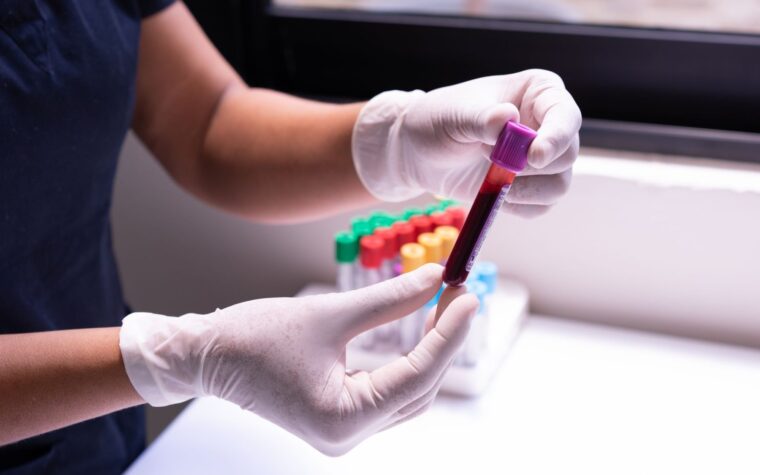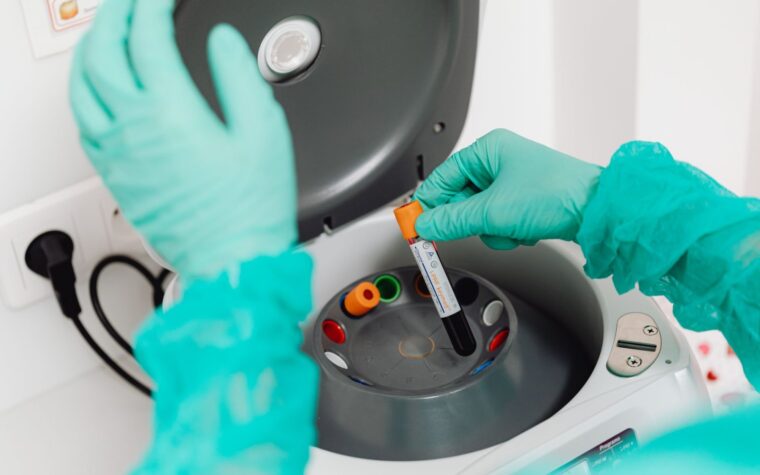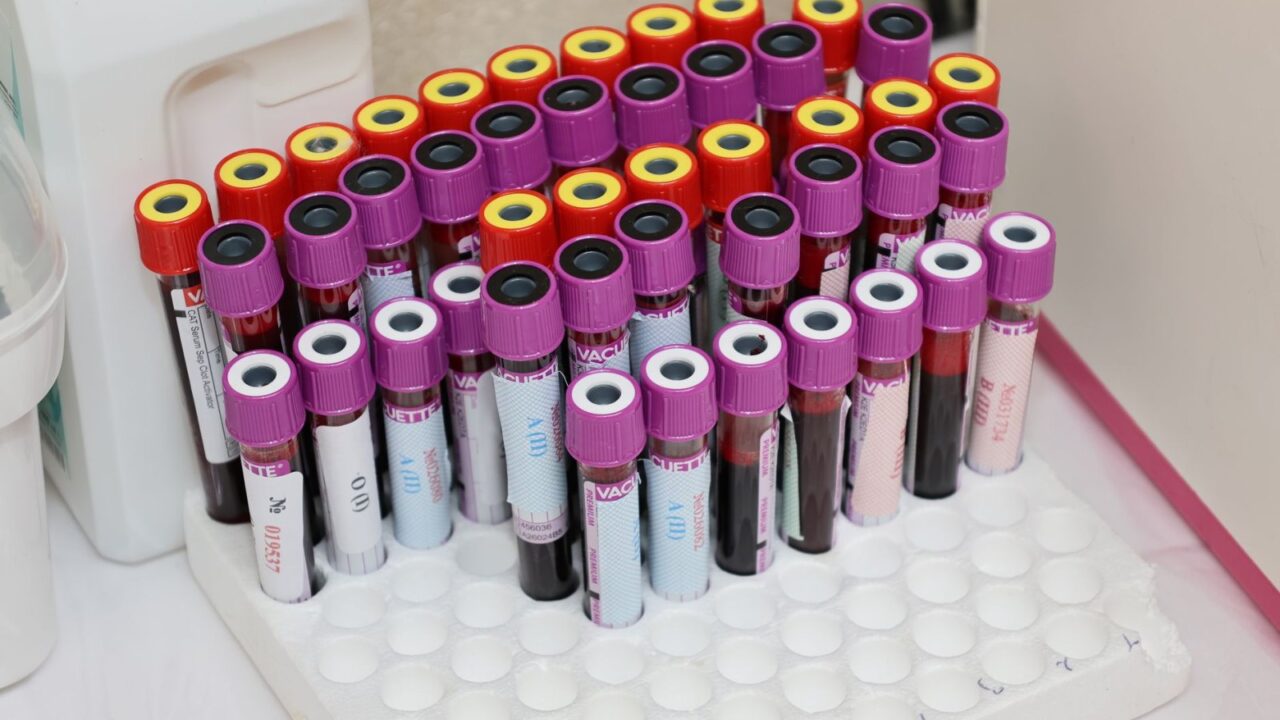
A blood test aimed at detecting lung cancer in its earliest stages has finished laboratory validation in the United States. This step is a key part of bringing the test to clinical use. The test analyzes specific biomarkers in the blood that may signal the presence of lung cancer before symptoms appear.
Lung cancer is one of the leading causes of cancer death in the US. Early detection greatly improves survival rates. Currently, the main screening method is a low dose CT scan, but not everyone who is eligible gets screened. A simple blood test could help more people get tested and catch the disease sooner.
Key Takeaways
- A new blood test for early lung cancer detection has completed US laboratory validation.
- The test analyzes biomarkers in the blood to identify potential lung cancer.
- This could provide a noninvasive screening option for high risk individuals.
- Laboratory validation is a critical step before the test can be used in clinical settings.
- Early detection of lung cancer significantly improves treatment outcomes.
What the Blood Test Looks For
The test works by measuring specific molecules in a blood sample. These molecules, called biomarkers, can change when cancer is present. The test is designed to pick up these changes at an early stage, often before a tumor is large enough to cause symptoms or be seen on a scan.
According to the original report from Clinical Lab Products, the laboratory validation confirms that the test performs accurately and reliably. This means it can consistently detect the biomarkers it is designed to find. Validation is a required step for any diagnostic test before it can be offered to patients.
Why Early Detection Matters
Lung cancer often does not cause symptoms until it has advanced. By that time, treatment options are more limited and the outlook is poorer. If caught early, when the cancer is still localized, the five year survival rate is much higher. A blood test could help identify more cases at this early, more treatable stage.
Current screening guidelines recommend low dose CT scans for adults aged 50 to 80 who have a significant smoking history. However, many people who qualify do not get screened. A blood test could be used in doctors’ offices or community clinics, making screening more accessible.
Next Steps for the Test
Completing laboratory validation is a major milestone, but it is not the final step. The test will likely need to go through further clinical studies to confirm its effectiveness in real world settings. Regulatory approval from agencies like the FDA may also be required before it can be widely used.
The developers of the test have not announced a timeline for when it might become available. However, passing laboratory validation brings it closer to being an option for doctors and patients. For now, it remains a promising tool under development.
Frequently Asked Questions
How is this blood test different from a CT scan?
A CT scan creates detailed images of the lungs to look for suspicious spots. A blood test looks for chemical signs of cancer in the blood. The blood test is simpler and less expensive, but it may not replace CT scans entirely. It could be used as a first step to decide who needs further imaging.
Who would be eligible for this test?
If approved, the test would likely be aimed at people at high risk for lung cancer. This includes current or former smokers over a certain age. The exact eligibility criteria would depend on the results of future studies and regulatory decisions.
When will the test be available?
There is no confirmed availability date yet. The test has completed laboratory validation, but it still needs more research and regulatory review. It could be several years before it is offered to patients in clinics or hospitals.
This is an original report by Vital Signs Today, informed by reporting from Google News. Read the original source.
This article is for information only and is not medical advice. See our Medical Disclaimer.