Longevity is reshaping the luxury real estate market as wealthy buyers increasingly seek homes that support longer, healthier lives. According to a recent report from HousingWire, amenities and design features focused on wellness, prevention, and aging in place are now major drivers of demand in the high-end housing sector. This shift reflects a broader cultural move toward proactive health management and quality of life in later years.
Key Takeaways
- Luxury real estate buyers are prioritizing health and wellness features over traditional luxury amenities.
- Homes with dedicated spaces for fitness, meditation, and medical monitoring are increasingly popular.
- Location choices are influenced by access to clean air, nature, and high-quality healthcare.
- Developers are incorporating biophilic design, air purification, and smart health technology.
- The trend reflects a growing desire to extend healthspan, not just lifespan.
The Rise of Wellness Focused Homes
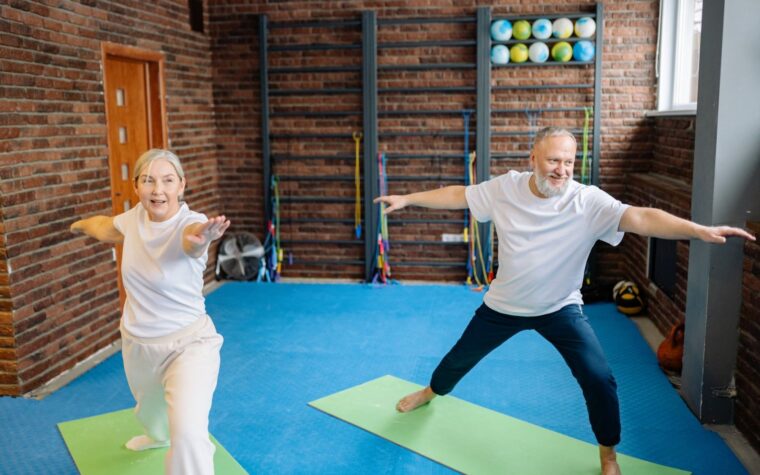
Luxury real estate has always been about status and comfort, but a new priority is emerging: health. The HousingWire report notes that buyers are now asking for features that directly contribute to physical and mental well being. This includes advanced air and water filtration systems, circadian lighting, and spaces designed for yoga, meditation, or home gyms. The goal is to create an environment that actively supports longevity.
Developers are responding by building communities with on site wellness centers, walking trails, and even medical concierge services. In some high end projects, homes are equipped with sensors that monitor air quality, humidity, and even vital signs. These features appeal to buyers who see their home as a platform for preventive health rather than just a place to live.
Key Features of Longevity Driven Properties
What exactly makes a home longevity friendly? According to the report, several design elements are becoming standard in luxury properties. First, there is a focus on natural light and connection to nature, known as biophilic design. Second, homes are being built with universal design principles, meaning they are accessible and adaptable for aging in place. Wider doorways, step free entries, and bathroom grab bars are now being integrated without sacrificing aesthetics.
Technology also plays a role. Smart home systems that control lighting, temperature, and security can be programmed to support sleep cycles and reduce stress. Some properties include telemedicine rooms where residents can consult doctors remotely. The combination of comfort, convenience, and health monitoring makes these homes attractive to buyers who want to age well.
Why This Trend Matters for Health
The shift in luxury real estate is more than a market trend. It reflects a deeper understanding that where we live affects how we age. Research has long shown that environment influences physical activity, social connection, and exposure to pollutants. By designing homes with longevity in mind, wealthy buyers are investing in their future health. This could also spur broader adoption of health oriented building practices in the mainstream housing market.
However, experts caution that access to such homes remains limited to the wealthy. The report highlights that the focus on luxury longevity features may widen health disparities if similar principles are not applied to affordable housing. Still, the trend signals a growing recognition that homes should support health across the lifespan.
The Future of Luxury Real Estate
As the population ages and interest in longevity science grows, the demand for health focused homes is likely to increase. The HousingWire report suggests that developers who fail to incorporate wellness features may lose market share. In the coming years, luxury real estate may be defined less by marble countertops and more by air quality scores and longevity certifications. For buyers, the ultimate luxury may be a home that helps them live longer and better.
Frequently Asked Questions
What is longevity real estate?
Longevity real estate refers to homes and communities designed with features that promote longer, healthier lives. This includes wellness amenities, aging in place design, and technology that supports preventive health. The concept is gaining traction in the luxury market as buyers prioritize healthspan alongside traditional home value.
How does home design affect longevity?
Home design can influence physical activity, sleep quality, stress levels, and exposure to toxins. Features like natural light, good air filtration, and spaces for exercise encourage healthier habits. Accessibility features also reduce fall risk, a major concern for older adults. A well designed home can therefore support both lifespan and healthspan.
Will longevity features become standard in all homes?
While currently concentrated in luxury properties, many longevity features are expected to trickle down to mainstream housing. Universal design principles and smart home technology are becoming more affordable. However, widespread adoption may take time as builders and buyers learn about the long term benefits of health focused construction.
This is an original report by Vital Signs Today, informed by reporting from Google News. Read the original source.
This article is for information only and is not medical advice. See our Medical Disclaimer.