Certain proteins circulating in the blood may act as early indicators of future disability, giving older adults and their doctors a window of years to intervene before independence is lost, according to a recent study. The research, which focused on Japan’s rapidly aging population, suggests that measuring these protein levels could help identify people who are at elevated risk long before they need long-term care. This approach could shift disability prevention from reactive to proactive, especially in countries where the elderly population is growing quickly.
Key Takeaways
- Blood protein levels may predict disability risk several years before loss of independence.
- The study examined older adults in Japan, where nearly 60% of those aged 85 and older already receive long-term care support.
- Early identification could enable targeted preventive measures, such as exercise programs or nutritional interventions, to delay or avoid disability.
Understanding the Research
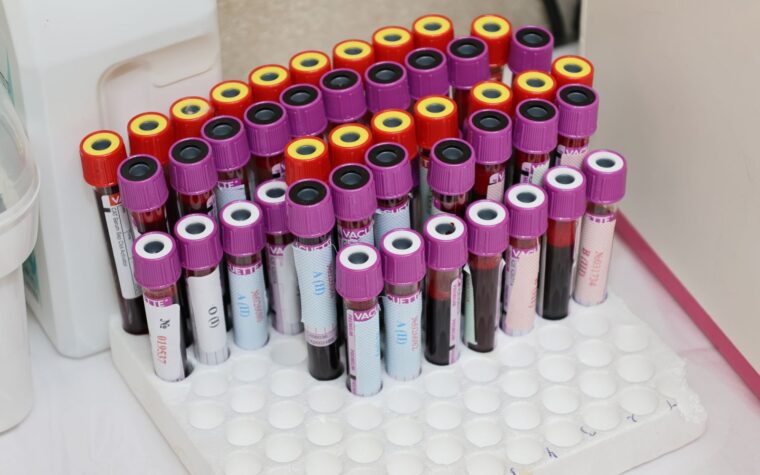
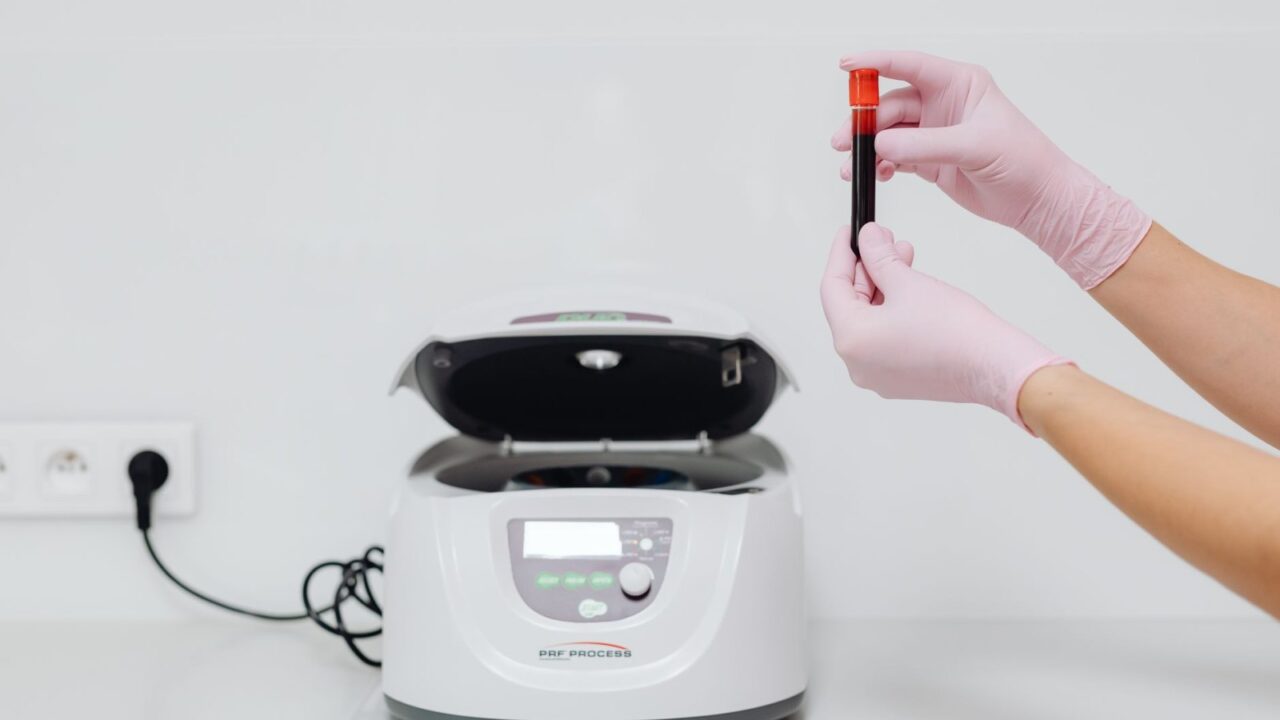
Japan has one of the world’s oldest populations, and maintaining independence into very old age is a growing public health challenge. According to the national Long-Term Care Insurance system, almost six out of ten Japanese adults aged 85 and older already receive some form of support. This high rate underscores the need to spot risk early, before disability sets in. The study, reported by Medical Xpress, analyzed blood samples from a large group of older adults and tracked their health outcomes over several years. Researchers found that specific protein signatures in the blood were strongly associated with the later development of physical disability, even after accounting for age, sex, and existing health conditions.
How Blood Proteins Might Predict Disability
Proteins in the blood reflect many aspects of a person’s health, including inflammation, metabolism, and organ function. The study identified a set of proteins that changed in concentration years before participants reported difficulty with daily activities such as walking, bathing, or dressing. These changes may signal underlying biological processes that gradually erode physical function. While the exact mechanisms are not yet fully understood, the findings suggest that a simple blood test could one day help doctors assess disability risk in older patients, much like cholesterol tests are used to predict heart disease.
Implications for Aging Populations
The potential to predict disability years in advance has significant implications for public health and individual aging. If validated, protein-based risk screening could be incorporated into routine geriatric assessments. People identified as high risk could then receive early interventions, such as strength training, balance exercises, or nutritional counseling, which have been shown to delay functional decline. This proactive approach could reduce the burden on long-term care systems and improve quality of life for older adults. The research is especially relevant for countries like Japan, the United States, and many European nations where the proportion of elderly citizens is rising.
What This Means for Prevention
The study adds to a growing body of evidence that biological markers can reveal hidden risks long before symptoms appear. However, the researchers caution that these findings are preliminary and need to be replicated in other populations. Not all proteins identified may be directly involved in causing disability; some could simply be correlated with other risk factors. Future studies will need to clarify which proteins are most useful for prediction and whether interventions based on protein profiles actually reduce disability rates. For now, the research highlights the promise of blood-based biomarkers in geriatric medicine.
Frequently Asked Questions
What blood proteins are involved?
The study did not publicly name specific proteins, as the research is still under review. However, the protein signature included markers related to inflammation and metabolic function. More detailed results are expected in future publications.
How far in advance can disability be predicted?
According to the researchers, the protein changes were detectable several years before participants lost independence. The exact time window varied, but the findings suggest a lead time of at least two to five years, which could provide a meaningful opportunity for preventive action.
Is this applicable outside Japan?
While the study was conducted in Japan, the biological processes underlying disability are likely similar across populations. However, the researchers note that validation studies in other ethnic groups and healthcare settings are necessary before the approach can be widely adopted.
This is an original report by Vital Signs Today, informed by reporting from Medical Xpress. Read the original source.
This article is for information only and is not medical advice. See our Medical Disclaimer.