Medically reviewed by the VST Editorial Board. Last updated August 24, 2026. This article contains affiliate links.
You do not climb into altitude sickness. You fly into it. Cusco sits at 3,399 m and the airport is a two-hour flight from Lima at sea level, which is the fastest way to put an unacclimatized body somewhere it cannot cope.
Altitude sickness is prevented by ascent rate above everything else: the Wilderness Medical Society’s risk criteria flag ascending from below 1,200 m to above 2,800 m in a single day, or gaining more than 500 m of sleeping altitude per day once above 3,000 m. Acetazolamide at 125 mg twice daily, started the day before ascent, is the standard drug option for moderate to high risk itineraries. What follows is how to read your own risk, what the drugs do and do not do, and the three symptoms that mean descend now rather than wait for morning.
Key takeaways
- Acute mountain sickness generally begins above about 2,500 m and is driven by how fast you got there, not by fitness.
- Acetazolamide 125 mg twice daily, begun the day or evening before ascent, is the Wilderness Medical Society’s standard prophylactic dose.
- Confusion, loss of coordination, or breathlessness at rest are emergencies. Descend immediately and get medical help.
What is altitude sickness, and when does it start?
Acute mountain sickness (AMS) is a syndrome of headache plus at least one of nausea, fatigue, dizziness or poor sleep, appearing hours after arriving at altitude. The threshold is usually described as around 2,500 m, though susceptible people report symptoms lower.
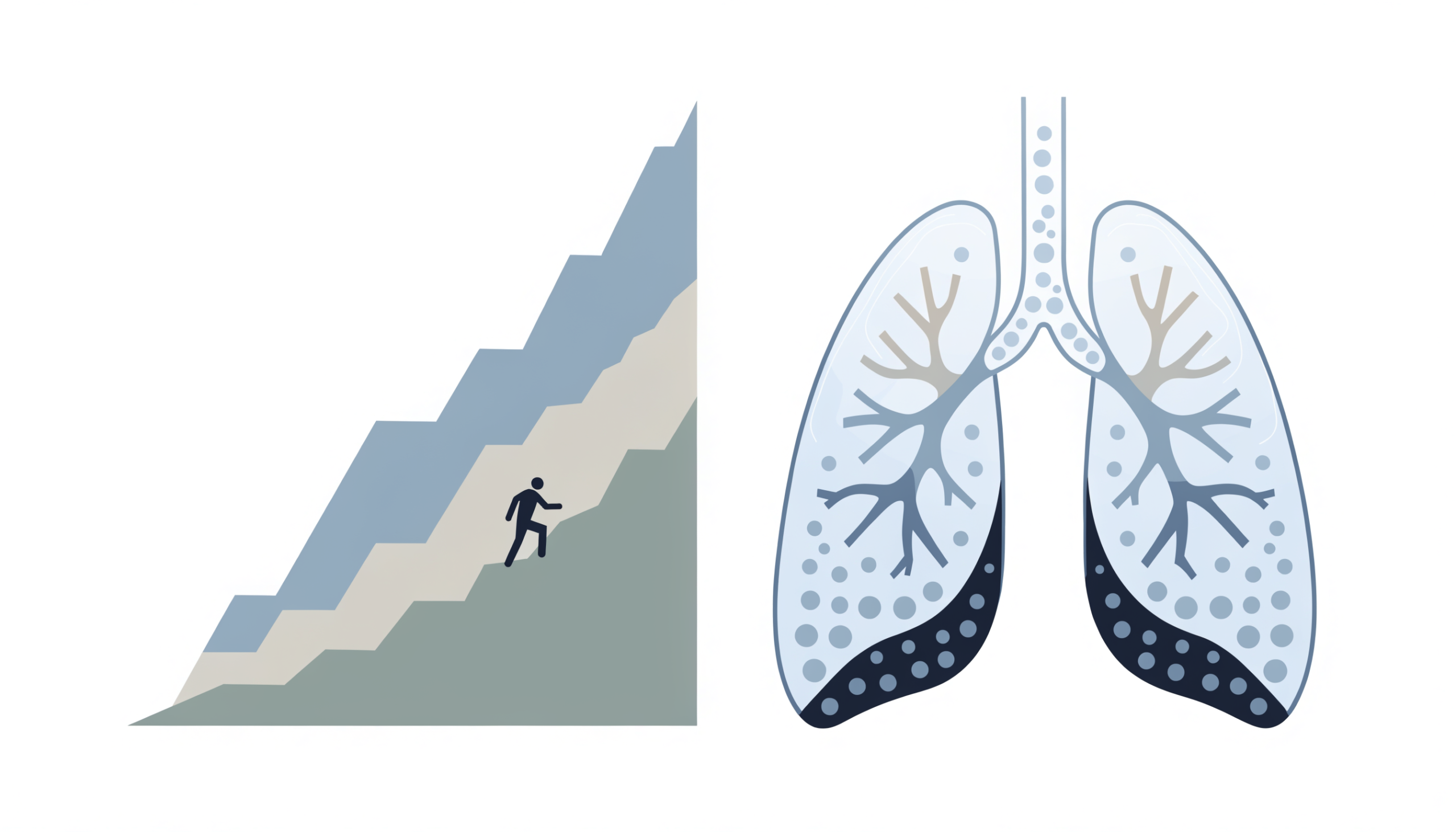
The mechanism is reduced oxygen partial pressure, not thin air in the colloquial sense. The percentage of oxygen in air is the same at 4,000 m as at sea level. The pressure driving it into your blood is not.
Fitness does not protect you. This is the most persistent myth in the category and it gets marathon runners in trouble, because they ascend faster and push harder on day one. Susceptibility is largely individual, with prior history being the best available predictor.
| Destination | Altitude | Practical note |
|---|---|---|
| Quito, Ecuador | 2,850 m | Symptoms possible on arrival day |
| Cusco, Peru | 3,399 m | Arriving by air from Lima is a rapid ascent |
| La Paz, Bolivia | 3,640 m, El Alto airport higher | Among the most abrupt arrivals in commercial aviation |
| Lhasa, Tibet | 3,650 m | Fly-in ascent, plan a rest day |
| Shimla region, India | Around 2,000 to 2,500 m | Milder, but relevant for cardiac and respiratory conditions |
How do you prevent it?
Control the ascent profile. Above 3,000 m, limit the increase in sleeping altitude to about 500 m per day and add a rest day every 3 to 4 days. The Wilderness Medical Society criteria treat exceeding that, or going from under 1,200 m to over 2,800 m in one day, as moderate to high risk. Climb high and sleep low is the operating principle.
Build in an acclimatization stop. On a Peru itinerary, spending the first nights in the Sacred Valley at around 2,800 m before Cusco at 3,399 m is a genuinely different physiological experience from landing and going straight to the city. It costs a day. It saves the trip more often than not.
Consider acetazolamide when the profile is unavoidable. The standard prophylactic dose in current guidance is 125 mg twice daily, starting the day or evening before ascent and continuing for two days at the target altitude. It works by inducing a mild metabolic acidosis that stimulates breathing, which accelerates acclimatization rather than masking symptoms. Expect tingling in fingers and toes, more urination, and flat-tasting carbonated drinks. It is a sulfonamide derivative, so flag any sulfa allergy to your prescriber.
Dexamethasone is an alternative in people who cannot take acetazolamide, but it treats rather than accelerates acclimatization and carries its own risks. That is a prescriber-led decision, not a self-medication choice.
No alcohol and no sleeping pills for the first 48 hours. Both suppress the ventilatory drive at exactly the point your body needs to breathe more, particularly during sleep.
The itinerary is the prevention
South American high-altitude cities are reached almost entirely by air, which is what makes the ascent so abrupt. If you are building a Peru, Bolivia or Ecuador routing with an acclimatization stop, LATAM Airlines publishes its regional and US route options directly.
Affiliate link. We may earn a commission at no cost to you.
What does not work?
Coca tea is culturally standard in the Andes and pleasant. It is not a proven preventive, and it can produce a positive result on some drug screening tests, which matters if your employer tests.
Extra hydration beyond normal thirst does not prevent AMS. Dehydration makes you feel worse and is worth avoiding, but drinking four liters is not a prophylaxis.
Ibuprofen has some evidence for reducing AMS headache incidence and is a reasonable adjunct, but it does not accelerate acclimatization the way acetazolamide does. Do not use it to push through a worsening headache at altitude, because it hides the signal you need.
Portable oxygen canisters sold to tourists in Cusco and La Paz give brief symptomatic relief. They do not treat the underlying problem, and using one to keep going up is a genuinely dangerous idea.
What are the emergency signs?
Descend immediately and seek medical help if you or anyone in your group develops:
- Confusion, unusual behavior, drowsiness, or loss of coordination such as being unable to walk a straight line heel to toe. This suggests high altitude cerebral edema (HACE)
- Breathlessness at rest, a persistent cough, frothy or pink sputum, or extreme fatigue disproportionate to the effort. This suggests high altitude pulmonary edema (HAPE)
- A severe headache that does not respond to simple analgesia, with vomiting
HACE and HAPE are both potentially fatal within hours. Descent is the treatment. Supplemental oxygen and medication buy time, they do not replace going down. Never leave someone with these symptoms alone, and never let them descend unaccompanied.
The three rules that prevent nearly all serious outcomes: do not ascend further with symptoms of AMS, descend if symptoms worsen, and descend immediately for any sign of HACE or HAPE.
If your high-altitude trip is a wellness stay
Some mountain wellness properties sit at genuine altitude, including Oberoi’s Wildflower Hall in the Himalayas at roughly 2,500 m. That is worth knowing before you book a spa week that opens with a hike on day one.
See Oberoi mountain properties
Affiliate link. We may earn a commission at no cost to you.
Who needs medical advice before going?
Talk to a clinician well before departure if you have:
- Coronary artery disease, heart failure, or uncontrolled hypertension
- COPD, pulmonary hypertension, or you use home oxygen
- Sickle cell disease or trait
- A previous episode of HAPE or HACE, which strongly predicts recurrence
- Pregnancy, particularly for sleeping altitudes above about 2,500 m
- Obstructive sleep apnea, which interacts badly with altitude-related breathing changes
If your high-altitude trip is part of a wider India itinerary, the heat and rabies planning for a lowland leg such as Ranthambore National Park is a separate checklist worth reading.
Bring the conversation to your pre-travel appointment along with travel vaccinations, since both need lead time and the same clinician can handle them together.
Frequently asked questions
How long does altitude sickness last?
Mild AMS usually improves over 24 to 48 hours at the same altitude, provided you do not ascend further. Symptoms that worsen are a signal to descend.
Does being fit help?
No. Fitness lets you do more at altitude, which can increase risk by encouraging a faster ascent on day one.
When should I start acetazolamide?
Guidance is to start the day or evening before ascent and continue for about two days at target altitude. Your prescriber sets the specifics.
Can children get altitude sickness?
Yes, and it is harder to recognize because young children may only show irritability, poor feeding and disturbed sleep. Get pediatric advice before high-altitude travel.
Is Machu Picchu higher than Cusco?
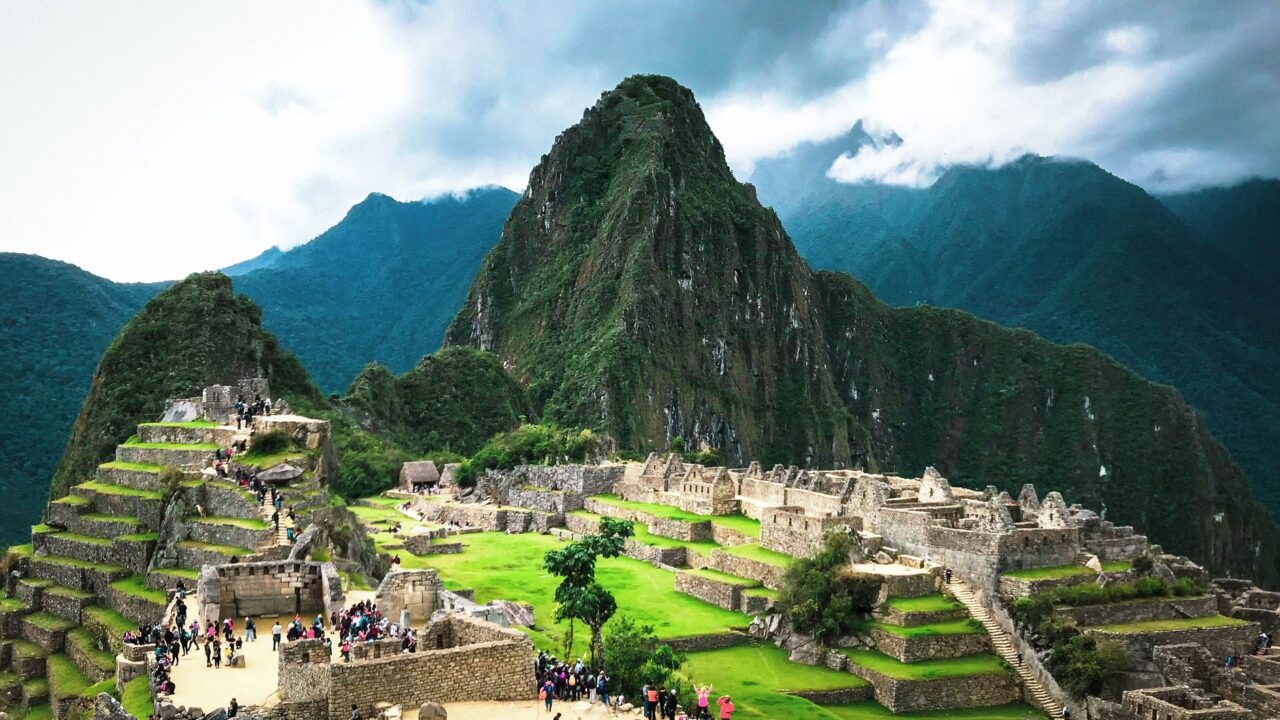
No. Machu Picchu sits around 2,430 m, lower than Cusco at 3,399 m, which surprises most visitors and is one reason the Sacred Valley makes a sensible first stop.
The bottom line
Design the itinerary before you think about drugs: an acclimatization night lower down, 500 m per day above 3,000 m, and a rest day every three to four days. If the profile cannot be softened, ask a prescriber about acetazolamide 125 mg twice daily starting the day before. Then hold the three rules. Do not go up with symptoms, come down if they worsen, and come down immediately for confusion or breathlessness at rest. Altitude is the one travel health risk where the correct response is always downhill.
Sources
- Luks AM, Auerbach PS, Freer L, et al. Wilderness Medical Society practice guidelines for the prevention and treatment of acute altitude illness. pmc.ncbi.nlm.nih.gov
- Centers for Disease Control and Prevention. CDC Yellow Book, high elevation travel and altitude illness. cdc.gov
- National Travel Health Network and Centre. Altitude illness factsheet. travelhealthpro.org.uk
- UK Civil Aviation Authority. Physiology of flight, guidance for health professionals. caa.co.uk
This article is for general information and is not medical advice. See our medical disclaimer.