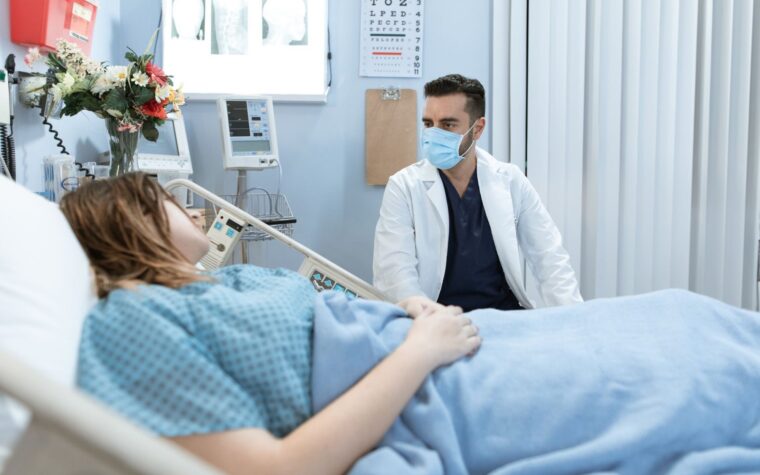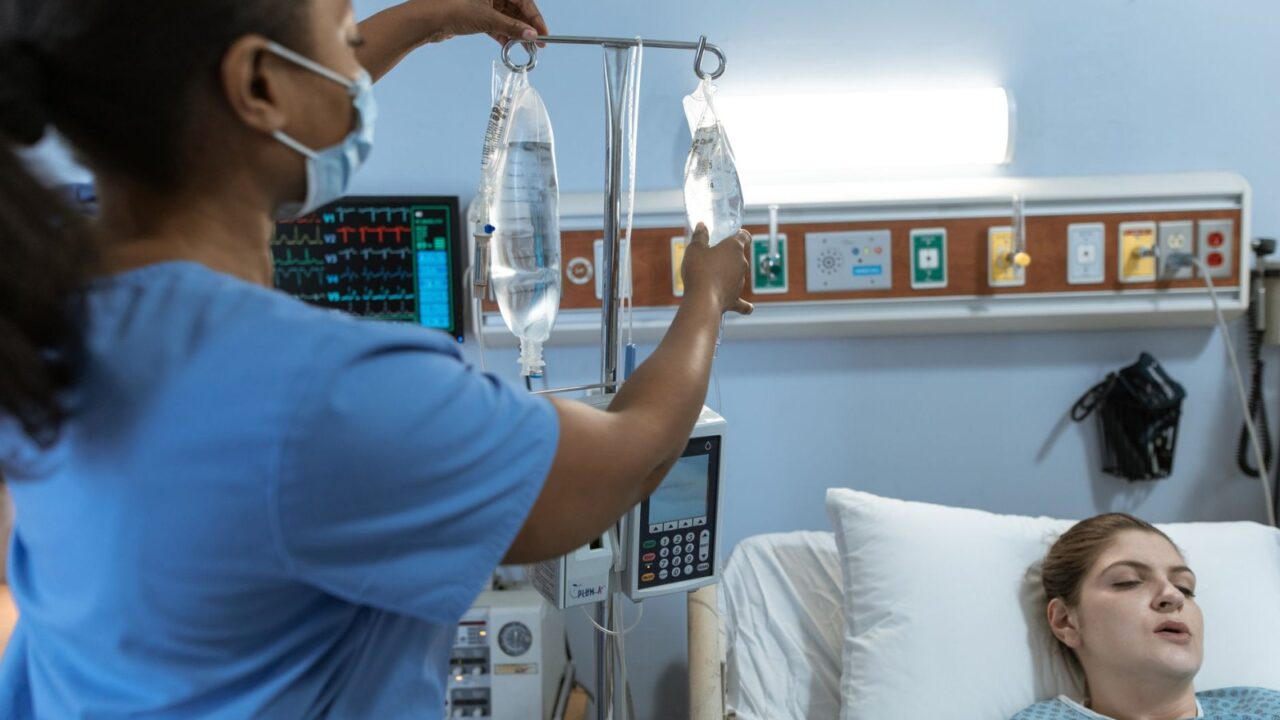
Detroit Health Hubs are community centers that provide families with housing support, groceries, and medical care in order to reduce nonacademic barriers to school attendance. By addressing social needs that often cause children to miss school, the hubs aim to improve both health and education outcomes for Detroit students.
- Health Hubs offer housing assistance, food pantry access, and medical services to families.
- The program targets social determinants of health such as unstable housing and food insecurity.
- Removing these barriers helps improve school attendance and overall child well-being.
- Detroit’s initiative is part of a broader effort to integrate health and education services.
What Are Detroit Health Hubs?
Detroit Health Hubs are located in schools and community centers across the city. They are designed to connect families with resources that address basic needs. According to the original report from Michigan Public, the hubs provide help with securing stable housing, obtaining groceries from on-site pantries, and accessing routine medical care. Staff at the hubs work directly with families to identify their biggest challenges and then link them to the appropriate services.
The hubs are part of a broader strategy to treat health and education as interconnected. When a child is frequently absent because the family has no reliable place to live, or when a student cannot concentrate because of hunger, the hubs step in. By meeting these needs, the program hopes to remove the root causes of absenteeism.
How Do Health Hubs Address Social Determinants?
The hubs focus on social determinants of health, the conditions in which people live that affect their well-being. Housing instability, lack of nutritious food, and limited access to healthcare are all known to harm child development and school performance. The hubs offer practical solutions:
- Housing assistance: staff help families find landlords, apply for rental assistance, and avoid eviction.
- Food access: on-site pantries provide groceries and connect families to federal nutrition programs.
- Medical care: basic health screenings and referrals to primary care are available to students and parents.
The program also coordinates with local social service agencies to ensure families do not fall through cracks. The goal is to create a single, trusted place where families can get help without having to navigate multiple systems.
Impact on School Attendance
The original report notes that Detroit has long struggled with chronic absenteeism, defined as missing 10 percent or more of school days. The Health Hubs were designed as one response to this problem. Early results suggest that when families receive support for housing, food, and medical needs, attendance improves. Students whose families use the hubs are less likely to miss school for preventable reasons such as illness, homelessness, or hunger.
While the program is still relatively new, it reflects a growing consensus among educators and public health experts that schools cannot succeed alone. By partnering with health and social service providers, the hubs address the whole child. This approach aligns with research showing that addressing social needs is a cost effective way to improve both health and educational outcomes.
Frequently Asked Questions
Who is eligible to use the Detroit Health Hubs?
The hubs serve families with children enrolled in Detroit public schools. Services are free and available regardless of income or insurance status. Staff assess each family’s needs and determine which resources are best.
Are the hubs only for families with very low income?
While the program targets families facing significant barriers, there is no strict income cutoff. The hubs are open to any family whose circumstances are affecting a child’s ability to attend school regularly. This includes families experiencing temporary crises such as job loss or housing emergencies.
How is the success of the Health Hubs measured?
Success is tracked through school attendance data, family satisfaction surveys, and the number of families served. The program also monitors whether families’ needs for housing, food, and medical care are met. Early data show improved attendance among students whose families use the hubs.
This is an original report by Vital Signs Today, informed by reporting from Google News. Read the original source.
This article is for information only and is not medical advice. See our Medical Disclaimer.