Quick answer: A reverse T3 test measures RT3, a biologically inactive mirror-image of the active thyroid hormone T3. Your body makes RT3 constantly, but under physiological stress, illness, calorie restriction, or cortisol spikes, production surges and RT3 competes with active T3 at thyroid receptors, effectively braking cellular metabolism. A standard TSH or even a Free T3/Free T4 panel will not catch this. The test requires a venous blood draw and costs $29 to $150 cash at labs like Quest or Labcorp; results are typically back in two to four business days.
What is reverse T3, exactly?
Reverse T3 is a structural isomer of triiodothyronine (T3), the thyroid hormone that drives cellular energy production. Your thyroid gland secretes mostly thyroxine (T4), which peripheral tissues then convert into either free T3 (the active form) or reverse T3 (the inactive form) via deiodinase enzymes. Under normal conditions, roughly 40 percent of T4 goes toward active T3 and about 20 percent becomes RT3, with the rest following other metabolic pathways.
RT3 is not simply waste. It binds thyroid receptors with high affinity but triggers no metabolic response, making it a competitive antagonist. When RT3 levels climb, fewer active T3 molecules can dock at receptors, and your cells behave as if thyroid hormone is low even when your TSH looks perfectly normal on paper. Clinicians familiar with functional medicine sometimes call this “cellular hypothyroidism” to distinguish it from glandular hypothyroidism caught by TSH.
Understanding this conversion pathway matters if you are evaluating the full picture of thyroid function. The free T3 free T4 test tells you how much active precursor is circulating, but it says nothing about where that T4 is being directed downstream.
What does the reverse T3 normal range actually mean?
The simplest way to actually get this done
Superpower is a full-body lab membership that runs 100+ biomarkers, has each result reviewed by a doctor, and tracks your numbers year over year (about $199/year). It is what we point readers to when they would rather get one clean, complete draw than chase single tests one at a time. Here is superpower reviewed in full.
Most US reference laboratories report reverse T3 normal range as 9.2 to 24.1 ng/dL (nanograms per deciliter), though the exact range varies slightly by lab and by the assay method used. Some functional medicine practitioners apply a tighter ceiling of around 15 ng/dL when interpreting the RT3-to-free-T3 ratio (see the next section).
| Lab / Context | Reverse T3 Reference Range | Units |
|---|---|---|
| Quest Diagnostics (standard adult) | 9.2 to 24.1 | ng/dL |
| Labcorp (standard adult) | 9.0 to 27.0 | ng/dL |
| Functional medicine target | <15.0 | ng/dL (common threshold) |
| Conversion to pmol/L | multiply ng/dL by 15.4 | pmol/L (some European labs) |
One nuance that catches people off guard: a reverse T3 result at the high end of the standard range (say, 23 ng/dL) can still reflect a significant physiological problem if your free T3 is simultaneously low. That is why many thyroid-literate clinicians never look at RT3 in isolation.
How the reverse T3 ratio works and why it matters
The reverse T3 ratio is calculated by dividing free T3 (in pg/mL or pmol/L, depending on the unit system) by reverse T3 (in ng/dL), and the result tells you how well your body is converting T4 into usable thyroid hormone versus parking it in the inactive pool.
Calculating the ratio: a worked example
- Free T3: 3.2 pg/mL
- Reverse T3: 22 ng/dL
- Ratio: 3.2 divided by 22 = 0.145
Functional medicine practitioners typically consider a ratio above 0.20 (in pg/mL to ng/dL units) to be healthy thyroid hormone balance. A ratio below 0.20 suggests impaired conversion, regardless of whether TSH is technically normal. If your lab reports free T3 in pmol/L, a commonly cited target is above 2.0.
This ratio matters because it captures the tug-of-war at the receptor level that a standalone number cannot. Two people can both have a reverse T3 of 20 ng/dL; one has a robust free T3 of 4.0 pg/mL (ratio 0.20, fine), the other a depleted free T3 of 2.1 pg/mL (ratio 0.095, a red flag). The second person may complain of fatigue, cold intolerance, and weight gain while their endocrinologist reassures them that TSH is normal.
To calculate the ratio meaningfully, you need both tests drawn at the same time from the same blood sample. This is one reason it makes sense to order a thyroid panel rather than a single marker. If you are building a comprehensive baseline anyway, looking at the best biomarkers to test together can prevent multiple return trips to the lab.
High reverse T3: the most common causes
High reverse T3 is almost never a primary thyroid problem. It is almost always the thyroid gland faithfully executing instructions from upstream metabolic signals. The three dominant drivers are physiological stress, acute or chronic illness, and caloric deficit.
Physiological and metabolic stress
Cortisol is the fastest lever for elevating RT3. When cortisol stays chronically elevated (from overtraining, sleep deprivation, psychological stress, or shift work), deiodinase type 1 enzyme activity shifts in a way that preferentially routes T4 toward RT3 rather than active T3. This is a protective adaptation, not a malfunction: slowing cellular metabolism conserves energy during a perceived famine or threat. The problem is that modern chronic stressors trigger the same response without the corresponding period of recovery.
Euthyroid sick syndrome (low T3 syndrome)
Any significant systemic illness, from sepsis to major surgery to COVID-19 recovery, can suppress active T3 and simultaneously push RT3 upward. Hospitalized patients frequently show high RT3 with normal TSH, and the degree of elevation correlates roughly with illness severity. This is why ordering a reverse T3 test during an acute illness will almost always produce a high result, and that result tells you the person is sick, not that they have a thyroid disorder.
Aggressive calorie restriction and very low carbohydrate diets
Prolonged calorie restriction, especially below around 800 to 1,000 kcal per day, reliably elevates RT3 as a metabolic adaptation to perceived starvation. Some people on strict ketogenic diets also see this pattern, particularly when protein intake is high (excess protein can be gluconeogenic, and the body may perceive this differently). Athletes who drop weight rapidly for competition are a textbook example: RT3 spikes, metabolic rate falls, and performance suffers even though TSH remains unremarkable.
Other contributing factors
- Iron deficiency: deiodinase enzymes require iron as a cofactor; low ferritin impairs T4-to-T3 conversion and shunts more T4 toward RT3.
- Selenium deficiency: deiodinase type 1 and type 3 are selenoproteins; low selenium is a known driver of poor conversion in populations with limited selenium intake.
- Hepatic dysfunction: most peripheral T4 conversion happens in the liver; compromised liver function raises RT3.
- Certain medications: amiodarone, beta-blockers, glucocorticoids, and high-dose propranolol all impair T4-to-T3 conversion to varying degrees.
- Environmental toxins: PCBs, BPA, and some heavy metals can interfere with deiodinase activity, though the clinical magnitude is still debated.
Chronic stress and its effects on hormonal conversion do not show up on a standard complete metabolic panel. Understanding these pathways is part of why a complete blood panel is a starting point, not a full picture, for anyone with unexplained fatigue.
RT3 and stress: what the cortisol-thyroid axis looks like in practice
The connection between RT3 and stress is more tightly wired than most people realize, and it operates in both directions. Cortisol suppresses TSH release from the pituitary, reduces thyroid hormone synthesis, and shifts peripheral conversion away from active T3 toward RT3. Meanwhile, elevated RT3 itself can impair mitochondrial function in cells, reducing the cellular energy available to mount a stress response, creating a feedback loop that is hard to break without addressing the underlying stressors.
A practical scenario: a person running on four to six hours of sleep, training hard six days a week, and eating in a moderate calorie deficit for three months will often develop what integrative practitioners call thyroid hormone resistance pattern: normal TSH, normal or low-normal free T3, and elevated RT3 sitting between 20 and 28 ng/dL. Standard endocrinology has no diagnosis for this state; it does not yet meet criteria for hypothyroidism. But the patient feels hypothyroid, and the RT3 test is the only standard blood marker that captures it.
This also explains why T4-only thyroid replacement (levothyroxine) sometimes fails to resolve symptoms in people who already have impaired deiodinase activity. When conversion is the problem, adding more T4 can simply generate more RT3, worsening the ratio without improving cellular thyroid effect.
How is the reverse T3 test done?
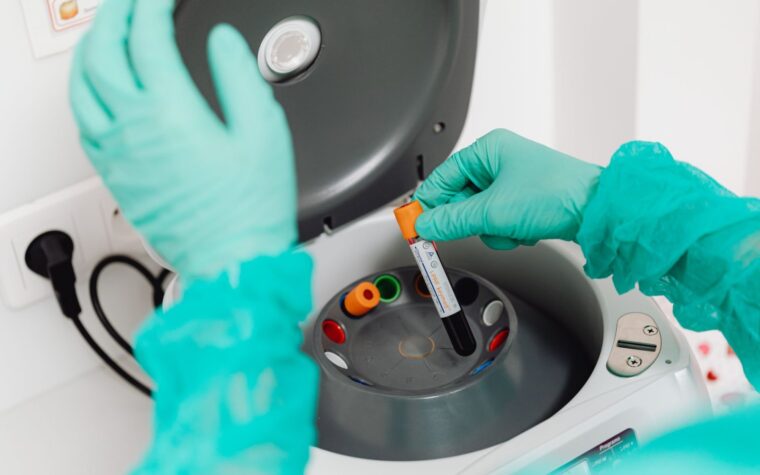
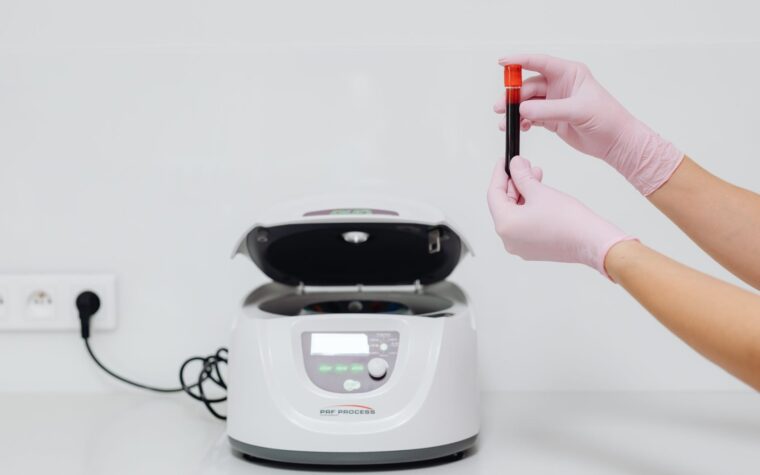
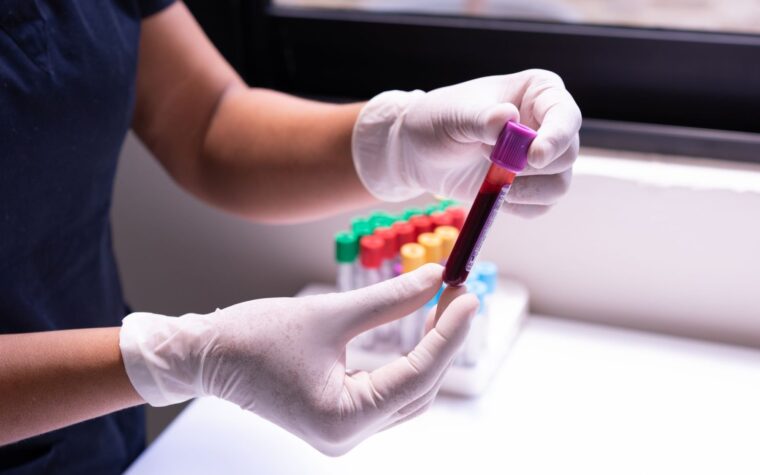
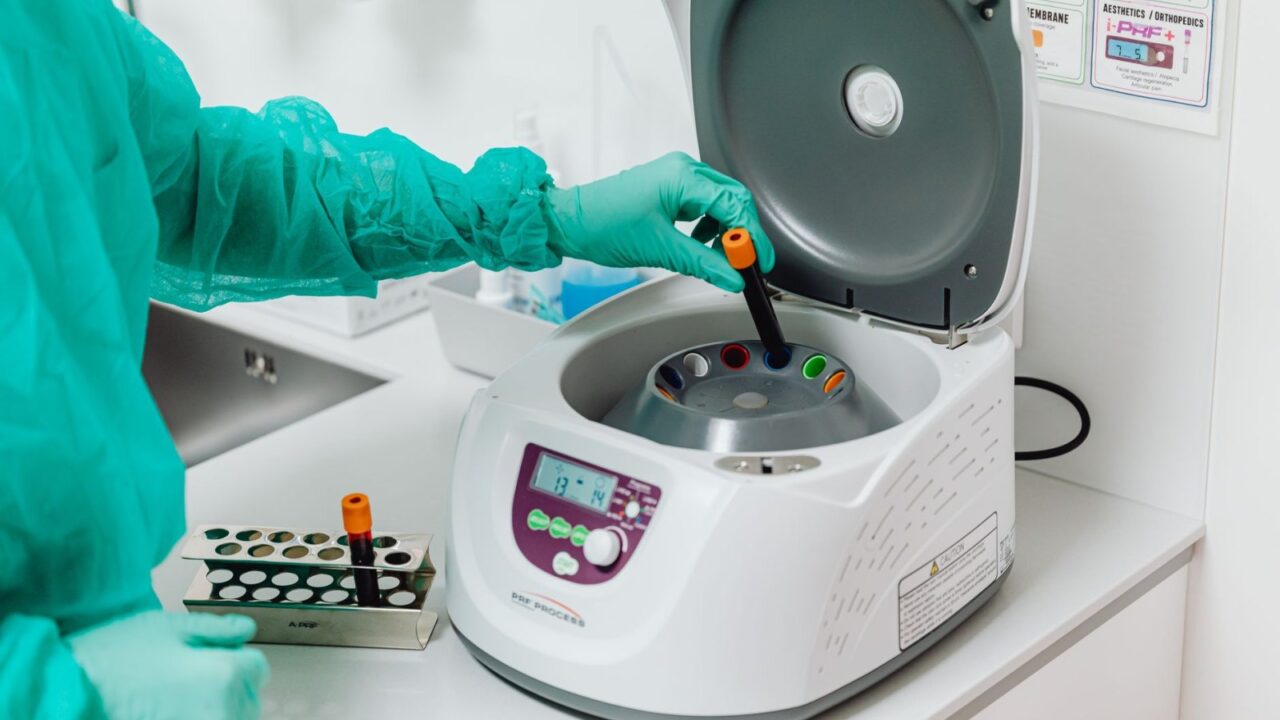
A reverse T3 test is a standard venous blood draw, no fasting required (though many practitioners recommend morning fasting to standardize cortisol levels at the time of draw). The blood is processed via immunoassay at a reference laboratory; Quest and Labcorp both run it on their standard send-out menu.
Most clinicians who order RT3 do so as part of a thyroid panel that includes TSH, free T4, free T3, and often thyroid peroxidase antibodies (TPO-Ab) and thyroglobulin antibodies (TgAb) to rule out autoimmune thyroiditis. Running RT3 alone without free T3 from the same draw is clinically incomplete, since you cannot compute the ratio.
If you are getting blood drawn anyway for a wider metabolic workup, it is often smarter to capture a full baseline at once. Here is how a full-body panel compares to piecemeal single-marker orders.
Reverse T3 test cost: what to expect in 2026
Reverse T3 test cost varies considerably depending on whether you order through a provider, a direct-to-consumer lab service, or a comprehensive panel. Here is a realistic breakdown:
| Ordering pathway | Typical cash cost (2026) | Notes |
|---|---|---|
| Quest / Labcorp (physician order, insured) | $0 to $40 copay | Insurance often requires a diagnosis code; RT3 alone may not be covered |
| Quest / Labcorp (self-pay, direct order) | $29 to $65 | Order directly at QuestDirect or LabcorpOnDemand without a doctor |
| Private panel company (e.g., Ulta Lab Tests) | $35 to $80 | Add-on to a thyroid bundle; prices vary by bundle |
| Functional medicine provider order | $50 to $150 | Often bundled with interpretation; may include telehealth consult |
| Full thyroid panel including RT3 | $89 to $250 | TSH + Free T3 + Free T4 + RT3 + TPO-Ab; most informative option |
HSA and FSA accounts can be used for lab tests ordered by a licensed clinician in most cases. Medicare covers standard thyroid labs (TSH, T4) readily but is less consistent on RT3 coverage; it typically requires a documented clinical indication beyond general wellness.
For uninsured patients, the most cost-effective approach is usually a bundled thyroid panel from a direct-to-consumer service rather than ordering RT3 as a standalone add-on. The standalone RT3 result without free T3 from the same draw is difficult to interpret meaningfully.
One thing worth knowing: if a CVS MinuteClinic or urgent care provider orders routine thyroid labs, they rarely include RT3 unless you specifically ask. Most primary care physicians also do not routinely order it. You may need to advocate for it or order it yourself through a direct-to-consumer service.
What people get wrong about reverse T3
A few misconceptions show up repeatedly in online thyroid forums and deserve a direct correction.
Misconception 1: High RT3 always means hypothyroidism
Elevated RT3 during a severe illness, after surgery, or during crash dieting is expected and transient. It does not indicate a primary thyroid gland problem, and treating it with thyroid hormone replacement is neither appropriate nor effective in those contexts. The marker only becomes clinically meaningful when it is chronically elevated in the absence of acute illness, and even then, the primary intervention is addressing the underlying driver (cortisol load, nutrient deficiency, caloric deficit), not adding T3.
Misconception 2: RT3 has no relationship to standard thyroid disease
The opposite error is dismissing RT3 entirely. In people with Hashimoto’s thyroiditis who are already on levothyroxine, suboptimal T4-to-T3 conversion is common, and RT3 elevation explains why a subset of patients on adequate T4 replacement still report fatigue and cognitive fog. Checking the RT3 ratio in that population is a legitimate clinical step, not fringe medicine.
Misconception 3: You can fix RT3 by taking more T3 medication
Some practitioners prescribe T3 (liothyronine or desiccated thyroid) specifically to lower RT3. This can work, but it treats the symptom not the cause. If the conversion problem is driven by chronic cortisol elevation and the patient continues their 80-hour workweek and five-hour sleep nights, RT3 will climb again once the T3 supplement is stopped. Talk to a clinician about whether addressing the root cause driver first makes more sense than adding a prescription.
Who should order a reverse T3 test?
A reverse T3 test is most useful for a specific patient profile, not as a screening tool for everyone. It adds genuine diagnostic value when:
- TSH and free T4 are normal but the person has persistent fatigue, unexplained weight gain, brain fog, cold intolerance, or low morning body temperature, especially alongside high perceived stress or poor sleep.
- Someone is on levothyroxine and TSH is in range but symptoms persist.
- An athlete or dieter has been in a prolonged caloric deficit and hit a metabolic plateau with declining performance.
- A patient is recovering from a significant illness, surgery, or prolonged hospitalization and wants to understand their current thyroid conversion status.
- Lab work shows low-normal free T3 and you want to know where the T4 is going.
It is less useful as a standalone first test for someone with no symptoms, and it is not appropriate to interpret during an acute illness when RT3 is expected to be elevated as part of normal sick euthyroid physiology.
For anyone assembling a comprehensive metabolic picture, RT3 fits naturally alongside markers of inflammation, cortisol, and metabolic health. The adiponectin test is another underused marker worth considering for anyone whose thyroid pattern suggests metabolic dysregulation, since adiponectin reflects insulin sensitivity and fat tissue signaling in ways that interact with thyroid conversion.
Nutritional status also matters here. The albumin test provides a rough index of protein adequacy and hepatic synthetic function, both of which affect thyroid hormone transport and conversion.
Want a real clinician to run the numbers, not a guess?
Joi + Blokes is a telehealth clinic that prescribes GLP-1 medication (Zepbound, compounded semaglutide and tirzepatide), hormone therapy (TRT, HRT), thyroid care, and peptides after a real lab panel and clinician review, with no membership or consult fee (prescriptions from about $59/month, lab panels from $149). If the scale will not budge, this is where you find out whether insulin, thyroid, or hormones are the real reason. Here is Joi + Blokes reviewed in full.
FAQ
What is a reverse T3 test used for?
It measures the inactive form of thyroid hormone (RT3) that competes with active T3 at thyroid receptors without triggering a metabolic response. Clinicians order it when standard thyroid panels are normal but the patient reports symptoms consistent with low thyroid function, particularly in the context of chronic stress, caloric deficit, or post-illness recovery. The ratio of free T3 to RT3 is more informative than either number alone.
What is the reverse T3 normal range?
Standard US laboratory reference ranges are approximately 9.2 to 24.1 ng/dL at Quest and 9.0 to 27.0 ng/dL at Labcorp, though specific ranges vary by assay. Many functional medicine practitioners apply a functional ceiling of 15 ng/dL and pay more attention to the free T3-to-RT3 ratio (ideally above 0.20 in pg/mL to ng/dL units) than to the absolute number alone.
What causes high reverse T3?
The most common causes are physiological stress with associated cortisol elevation, acute and chronic illness (euthyroid sick syndrome), prolonged calorie restriction or crash dieting, selenium or iron deficiency impairing deiodinase enzyme activity, hepatic dysfunction, and certain medications including amiodarone, glucocorticoids, and high-dose propranolol. High RT3 is almost always a downstream signal of an upstream metabolic problem rather than a primary thyroid gland disorder.
How do I calculate the reverse T3 ratio?
Divide your free T3 (in pg/mL) by your reverse T3 (in ng/dL). A result above 0.20 is generally considered favorable thyroid hormone balance. For example, free T3 of 3.0 pg/mL divided by RT3 of 18 ng/dL = 0.167, which falls below the functional target. Both values must come from the same blood draw to be meaningful, so order them together rather than comparing results from different lab visits.
Does stress actually raise reverse T3?
Yes, through a well-characterized mechanism. Elevated cortisol suppresses TSH at the pituitary level, reduces thyroid hormone synthesis, and shifts peripheral T4 conversion away from active T3 toward RT3 via changes in deiodinase enzyme expression. Chronic sleep deprivation, overtraining, prolonged psychological stress, and shift work are the most common real-world triggers. This is why RT3 is sometimes called a “stress thyroid marker” in functional medicine contexts.
How much does a reverse T3 test cost without insurance?
Expect to pay $29 to $65 as a cash price through direct-to-consumer services at Quest or Labcorp. A bundled thyroid panel that includes TSH, free T3, free T4, and RT3 typically runs $89 to $250 depending on whether you add antibody markers. HSA and FSA funds generally cover lab tests ordered by a licensed clinician. Medicare covers it inconsistently and usually requires a documented clinical indication.
Can you have normal TSH and high reverse T3 at the same time?
Yes, and this is the central clinical problem. TSH reflects communication between the pituitary gland and the thyroid gland; it does not measure what happens to thyroid hormone after it leaves the bloodstream and enters peripheral tissues. A person can have perfectly normal pituitary-thyroid signaling while simultaneously routing most available T4 into the inactive RT3 pool at the tissue level. This is the gap that the reverse T3 test was designed to detect.
Should I get a reverse T3 test if I am already on levothyroxine?
It is worth considering if you are on levothyroxine, your TSH is in range, but you still have persistent fatigue, cold sensitivity, or difficulty losing weight. T4-only therapy cannot override a conversion problem; if your deiodinase activity is impaired, adding more T4 may generate more RT3 rather than more active T3. Share the RT3 ratio result with your prescribing clinician to discuss whether a T3-containing formulation or addressing root cause drivers makes sense for your situation.
Is a reverse T3 test covered by insurance?
Coverage varies significantly by insurer and by the diagnosis code attached to the order. TSH and free T4 are routinely covered; RT3 is considered less standard and is more likely to require a prior authorization or documented clinical indication. Some insurers categorize it as investigational for general wellness use. If coverage is uncertain, calling your insurer with the CPT code (80439 as part of a thyroid panel, or a standalone code depending on the lab) before the draw will save you a billing surprise.
How long does it take to get reverse T3 test results?
Most reference laboratories return results within two to four business days from the time the sample arrives at the processing center. Direct-to-consumer services like QuestDirect typically post results to an online portal within that window and send an email or app notification when they are ready. Results from a functional medicine or concierge provider may take slightly longer if the sample is being sent to a specialty reference lab.