Quick answer: A home blood test kit lets you prick your finger, apply a few drops of blood to a card, and mail it to a CLIA-certified lab for analysis. Most kits measure 10 to 50 biomarkers with accuracy that is good enough for screening but modestly lower than a venipuncture draw for certain analytes, particularly thyroid hormones, lipids, and hormones. They cost $29 to $199 cash depending on the panel size, require no appointment, and suit people who want a quick snapshot between annual physicals. For a full-body baseline with 100 or more biomarkers and physician-reviewed results, a traditional lab draw is still the gold standard.
What is a home blood test and how does it actually work?
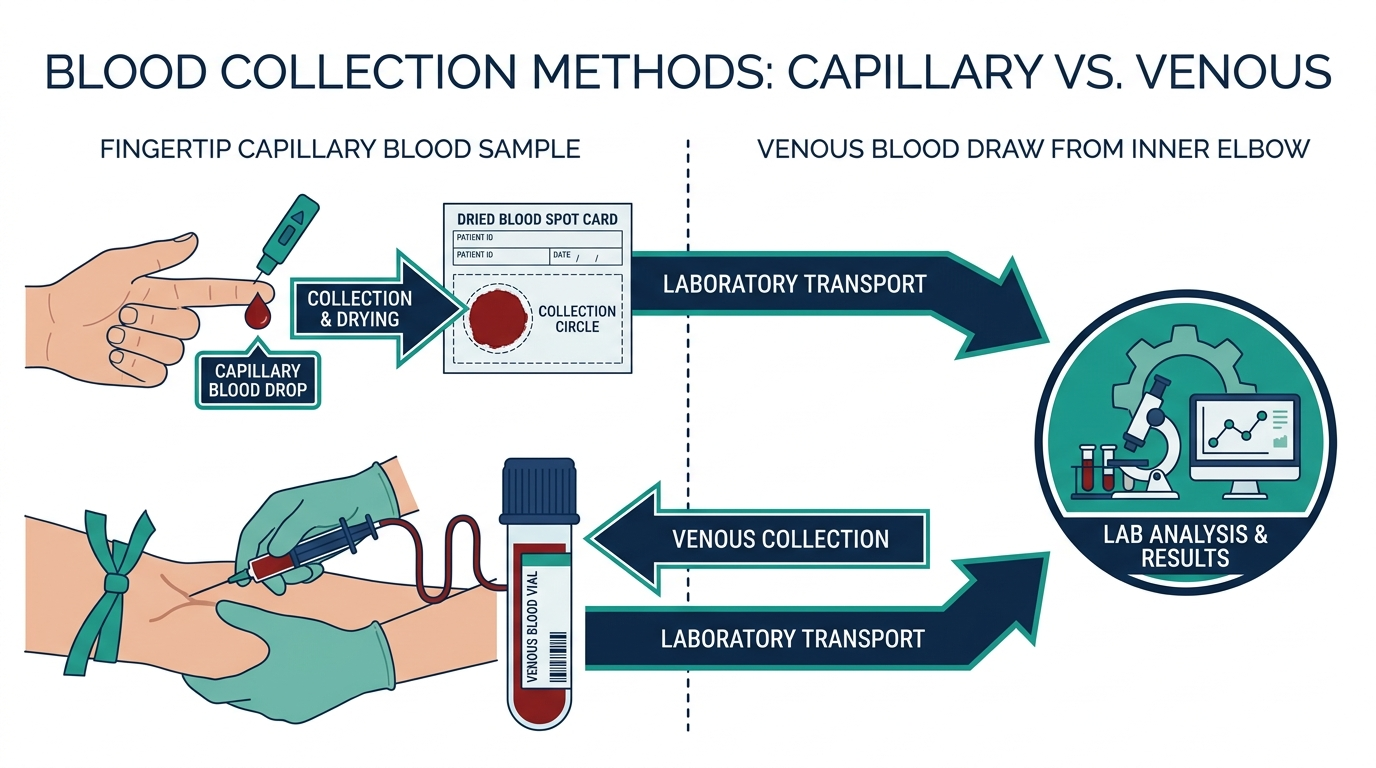
A home blood test is a fingerstick collection kit you use at home, then mail to a certified laboratory that processes the sample and delivers results through a private online portal. The science behind most consumer kits is dried blood spot (DBS) technology, the same method used for decades in newborn metabolic screening. You lance the tip of one finger with a small lancet (usually a spring-loaded 1.5 mm device), let three to five drops fall onto absorbent filter paper circles, and let the card dry for 30 minutes before sealing it in the pre-paid biohazard mailer.
Finger-prick kits cover 10 to 50 markers. See what a full venous draw covering 100+ biomarkers can catch that a kit might miss. One at-home Superpower draw checks 100+ biomarkers, physician-reviewed.
Inside the lab, technicians punch out a small disc from each blood spot and elute the sample into a liquid buffer. From there it feeds into immunoassay analyzers, mass spectrometers, or enzyme-linked assays depending on the test. Results typically arrive in two to five business days. A few companies, notably Everlywell and LetsGetChecked, also offer venipuncture kits where a partner nurse or phlebotomist draws a standard tube at a location near you, which carries the same accuracy as any Quest or Labcorp draw.
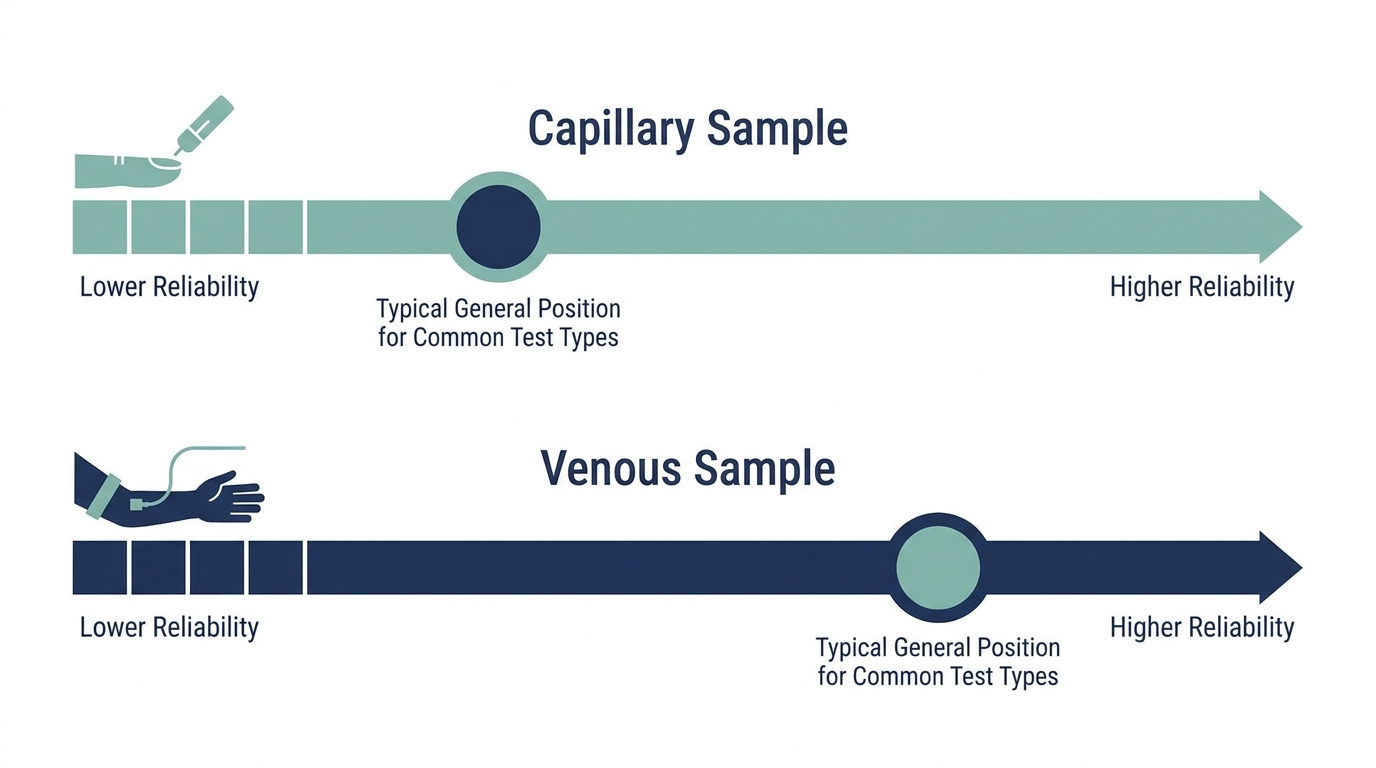
The key distinction that consumers miss: how the blood is collected matters more than who mails the kit. Dried blood spots give slightly less plasma volume to work with, which widens the error margin on some analytes. More on that in the accuracy section below.
Are mail-in blood tests accurate enough to trust?
For most common biomarkers, a well-run dried blood spot kit from a CLIA-certified lab is accurate to within 10 to 15 percent of a venipuncture draw, which is clinically acceptable for screening purposes but not for diagnostic confirmation. The U.S. FDA does not clear most DBS consumer kits as diagnostic devices, which is why results are framed as “wellness information” rather than a diagnosis.
Here is where accuracy tends to hold up well:
- HbA1c (hemoglobin A1c): DBS methods correlate tightly with venipuncture across multiple peer-reviewed comparisons, typically within 3 to 5 percent relative difference. Useful for monitoring pre-diabetes trends.
- Total cholesterol and HDL: Reasonable agreement, though LDL calculated from the Friedewald equation on a DBS sample has slightly wider confidence intervals.
- Vitamin D (25-OH): Mass spectrometry-based DBS assays are highly concordant with serum values. One of the better use cases for home testing.
- TSH (thyroid-stimulating hormone): DBS TSH is validated at laboratory reference ranges. Useful for a first-pass thyroid screen.
Here is where accuracy is more variable:
- Free T3 and Free T4: These small-concentration hormones are harder to measure reliably from a 3.2 mm spot. Expect 10 to 20 percent variability versus serum, which matters if you are tracking subtle thyroid dysfunction.
- Testosterone and estradiol: DBS immunoassay for sex hormones at low concentrations (post-menopausal women, men with low-T) can show meaningful deviation. LC-MS/MS-based DBS is far better, but not all companies use it.
- Ferritin: Sensitive to the hydration of the blood spot during collection. Under-bleeding or uneven spot spreading causes false lows.
- Complete blood count (CBC): Essentially impossible via DBS. Companies that include a “CBC” in a mail-in panel are usually only providing a partial estimate, or they require a separate whole-blood tube shipped on ice, which adds complexity and cost.
The practical takeaway: home blood testing is a legitimate screening tool for trends over time, not a replacement for a fasting venipuncture draw when your doctor is making a treatment decision. If a home kit flags something out of range, confirm it with a lab-based draw before acting on it.

What can an at-home blood test kit actually measure?
Panel depth varies dramatically by price point. Here is a realistic breakdown of what you get across common tiers in 2026:
| Price range | Typical biomarker count | Common analytes included | What is usually missing |
|---|---|---|---|
| $29 to $59 | 5 to 15 | Vitamin D, TSH, HbA1c, cholesterol panel, ferritin | CBC, kidney function, liver enzymes, hormones |
| $79 to $129 | 15 to 40 | Adds testosterone or estradiol, cortisol, CRP, B12, fasting glucose | Full metabolic panel, complete lipid particle testing, IGF-1 |
| $149 to $299 | 40 to 70 | Adds ApoB, DHEA-S, free T4, insulin, uric acid | CBC, advanced cardiac markers, heavy metals |
| $350 and up (venipuncture) | 60 to 100+ | Full metabolic panel, CBC, lipid particles, full thyroid panel, hormones | Nothing significant at this price |
Budget kits are good for checking one or two concerns, like whether your vitamin D is critically low heading into winter or whether your TSH has drifted since your last annual physical. The mid-range panels give a reasonable metabolic snapshot. If you want the kind of comprehensive picture that flags early kidney stress, borderline liver enzymes, a creeping HbA1c, and low testosterone simultaneously, you need either a premium kit with venipuncture or a lab membership. See our breakdown of best online blood test services 2026 for a direct comparison of providers.
How much does a home blood test cost, and is insurance involved?
Cash prices for at-home blood test kits in 2026 run from $29 for a single-marker fingerstick test (a vitamin D only kit from LetsGetChecked, for example) to around $299 for a broad DBS panel from a company like Everlywell Advanced. Venipuncture-based home-ordered tests go higher, up to $450 for some concierge panels.
Most kit companies are not in-network with insurance, which means you are paying cash. HSA and FSA dollars are accepted by most major providers, including Everlywell, Imaware, and LetsGetChecked, since the IRS classifies diagnostic testing as a qualified medical expense. That effectively gives you a 20 to 37 percent discount depending on your tax bracket.
A worked example: a $129 comprehensive panel paid from an HSA by someone in the 24 percent bracket has an after-tax cost of roughly $98. The same panel bought with after-tax dollars costs $129. Over a year with two tests, that gap is $62, which is real money.
Medicare does not reimburse consumer mail-in kits purchased directly online. If you are on Medicare and want labs covered, you need a physician order submitted to Quest or Labcorp under your Part B benefit. Some Medicare Advantage plans include an annual wellness lab benefit, so check your plan documents before paying out of pocket.
For a full cost comparison of lab membership options versus pay-per-test kits, see our guide on blood test membership vs pay per test.
How to collect a fingerstick blood sample correctly (and avoid the most common errors)
Poor sample collection is the leading cause of rejected or inaccurate DBS results. Labs see the same mistakes constantly, and they are all avoidable.
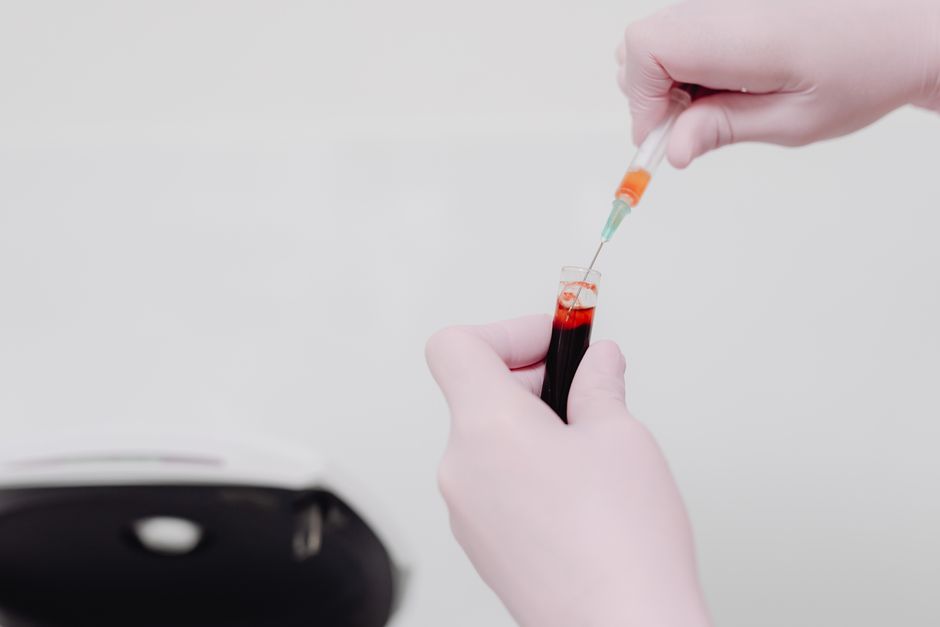
- Warm your hands first. Run warm water over your hand for two to three minutes or hold a heating pad against your fingertips for five minutes. Cold hands constrict capillaries and produce slow, small drops that dry before the spot fills properly. This single step resolves 70 percent of low-volume rejections.
- Lance the side of the fingertip, not the pad. The pad has fewer capillaries and more nerve endings. The side of the ring or middle finger (nondominant hand) bleeds faster and hurts less.
- Do not milk the finger. Squeezing hard dilutes the blood with interstitial fluid and skews glucose, proteins, and electrolytes. Let the drop form naturally, then touch the card to the drop rather than smearing it.
- Fill each circle completely in one pass. A partially filled circle or a spot with a hole in the center will be rejected. If the drop is too small, move to a new circle and lance a different finger.
- Dry flat, away from sunlight, for at least 30 minutes. Direct sunlight degrades hormones. Stacking wet cards ruins both samples.
- Ship Monday through Wednesday only. Kits sitting in a regional mail facility over the weekend degrade, especially in summer heat. All major providers recommend mid-week shipping.
One thing the instructions underemphasize: fasting matters for some panels and not others. Lipids and glucose require an overnight fast (10 to 12 hours, water is fine). Vitamin D, thyroid markers, and CBC do not require fasting. If your kit includes both types, fast for the draw and note it when prompted in the app.
Best home blood test kits for specific goals in 2026
There is no single best at-home blood test kit. The right pick depends on what you are trying to learn. Here is how to match kit type to goal:
For a quick annual snapshot: Everlywell Women’s Health or Men’s Health panel
These mid-range DBS kits ($149 to $199 cash) cover 30 to 45 markers and hit the most clinically useful ones: thyroid, metabolic panel, hormones, vitamins, inflammation markers. The Everlywell app presents results well and flags out-of-range values. Read our full Everlywell review for the specifics on their methodology and turnaround. Limitation: no CBC, no ApoB, and some hormone assays are immunoassay-based rather than mass spec, which matters if you are tracking low-normal testosterone.
For heart disease prevention: a lipid-focused kit with ApoB
Standard cholesterol panels only tell part of the cardiovascular story. ApoB (apolipoprotein B) is a better predictor of atherosclerotic risk than LDL alone because it counts every atherogenic particle regardless of size. Kits from Boston Heart Diagnostics and Cleveland HeartLab include ApoB and Lp(a), though these require physician ordering in most states. Imaware offers a heart-focused DBS kit directly to consumers in states that allow it.
For thyroid monitoring between doctor visits: a dedicated thyroid panel
If you are already on levothyroxine and want to check whether your TSH and free T4 are in range three months after a dose adjustment, a targeted thyroid kit ($49 to $79) is genuinely useful. Confirm any abnormal result with your prescribing physician before adjusting your dose.
For a complete baseline: a venipuncture-based lab membership
If you want more than 60 biomarkers measured with the same accuracy as a hospital lab, skip the fingerstick entirely. A venipuncture-based service draws a real tube of blood at a partner draw site (Quest, Labcorp, or a retail clinic), and the accuracy is identical to what your GP would order. This is the tier where you start capturing things like a complete metabolic panel, CBC with differential, and advanced markers that DBS cannot reliably measure.
The simplest way to actually get this done
Superpower is a full-body lab membership that runs 100+ biomarkers, has each result reviewed by a doctor, and tracks your numbers year over year (about $199/year). It is what we point readers to when they would rather get one clean, complete draw than chase single tests one at a time. Here is superpower blood test reviewed in full.
What people get wrong about home blood testing
A few persistent myths worth correcting:
Myth 1: CLIA-certified means FDA-cleared. CLIA (Clinical Laboratory Improvement Amendments) certification means the lab meets federal quality standards for testing procedures. It does not mean the specific DBS assay has been cleared by the FDA as a diagnostic test. Most consumer kits are regulated as wellness tools, not medical devices. The distinction matters: a CLIA lab can run your sample accurately, but the assay design itself may not have gone through FDA’s analytical validation process.
Myth 2: Out-of-range means something is wrong. Reference ranges on consumer panels are typically population averages, not optimal ranges. A TSH of 3.8 mIU/L is within the standard lab reference range (0.4 to 4.5 mIU/L) but sits at the high-normal end where some clinicians would investigate further. Context from a physician who knows your history converts a raw number into a clinical signal. Talk to a clinician about anything that looks off on your results.
Myth 3: Cheaper kits from the same company are just as good. They are not. Companies often use the same CLIA lab for all their kits but run simpler, faster immunoassay methods on the budget kits and higher-accuracy LC-MS/MS methods on premium panels. The premium price buys better analytical sensitivity, especially for hormones at low concentrations.
Myth 4: Results are always private. Most consumer kit companies state they will not share identifiable data with insurers without your consent, but their privacy policies often allow de-identified data sharing with research partners. Read the fine print, especially if you are buying a kit from a company that also sells research licenses. This is a meaningful consideration for people with concerns about genetic or metabolic data.
How home testing compares to ordering through Quest or Labcorp directly
Since 2015, the FDA has allowed labs to accept patient-initiated orders without a physician in most states. You can go to questhealth.com or Labcorp’s consumer portal, order a comprehensive metabolic panel or lipid panel, pay cash (often $30 to $80 per test), walk into any draw center, and get venipuncture results in 24 to 48 hours.
This route beats most mail-in DBS kits on accuracy, speed, and price for individual tests. It loses on convenience (you have to drive to a draw site) and on the user experience (the results portal at Quest and Labcorp is functional but not designed for laypeople). It also lacks the longitudinal tracking and physician review layer that premium services build in.
For context on how the full landscape compares, our best comprehensive health test 2026 guide places these options side by side with pricing.
The real competition for mail-in DBS kits is not the hospital lab. It is services like Superpower that combine venipuncture accuracy with a consumer-grade interface and annual membership pricing. At around $199 per year for 100+ biomarkers with a physician review, the per-biomarker cost beats most mid-range DBS kits while delivering better data. The only thing a DBS kit offers that a venipuncture membership does not is the ability to test from home without leaving your couch. For some people, that matters enough to accept the accuracy tradeoff.
Turn what you just learned into action.
Superpower lets you test 100+ biomarkers from home, then re-check them over time so you can actually see progress, physician-reviewed at every step.
FAQ
Are home blood tests as accurate as lab tests?
For most biomarkers, a quality CLIA-certified DBS kit is accurate to within 10 to 15 percent of a venipuncture draw, which is good enough for screening and trend tracking. For analytes that require higher analytical sensitivity, particularly free sex hormones at low concentrations and a complete blood count, venipuncture is meaningfully more accurate. Use home tests to spot trends; confirm anything clinically significant with a standard lab draw.
Can I use my HSA or FSA to buy a home blood test kit?
Yes. The IRS classifies diagnostic testing as a qualified medical expense, so HSA and FSA dollars apply to most consumer blood test kits. Major providers including Everlywell, LetsGetChecked, and Imaware all accept HSA and FSA cards at checkout. This effectively discounts the kit by your marginal tax rate, typically 22 to 37 percent for most buyers.
How long does it take to get results from a mail-in blood test?
Most providers report a two to five business day turnaround after the lab receives your sample. Shipping transit typically adds one to three days depending on your location and when you drop the kit. End-to-end, expect results in four to seven days from the day you collect. Some companies like LetsGetChecked offer expedited processing on select panels that can shorten lab time to 24 to 48 hours.
What is the difference between a fingerstick kit and a venipuncture home test?
A fingerstick DBS kit uses two to five drops of capillary blood dried on filter paper. A venipuncture kit arranges for a nurse or phlebotomist to draw a standard blood tube at your home or a nearby location. Venipuncture produces plasma or serum, which is what all diagnostic labs use, so accuracy is identical to a hospital draw. Fingerstick is cheaper and more convenient; venipuncture is more accurate for a wider range of markers.
Do I need a doctor to order a home blood test?
In most US states, no. The majority of consumer blood testing companies operate under a physician network that reviews and signs orders on your behalf as part of the service, so you never have to get a separate physician referral. A handful of states (New York and New Jersey have historically been restrictive) limit direct-to-consumer lab ordering, though the regulatory landscape has been slowly liberalizing. Check the company’s state availability page before ordering.
Can a home blood test detect cancer?
Standard at-home blood test kits do not detect cancer. Multi-cancer early detection (MCED) blood tests like Grail’s Galleri exist and detect cancer signals via cell-free DNA, but they require a physician order, cost $949 out of pocket, and are not offered as consumer mail-in kits. What consumer panels can do is flag indirect signals associated with some cancers, such as an elevated PSA (prostate) or abnormal CBC suggesting bone marrow stress, but these require physician interpretation and follow-up imaging to investigate.
Which companies offer the best home blood test kits in 2026?
For DBS panels, Everlywell and Imaware are the most established, with broad marker menus and decent result interfaces. LetsGetChecked has strong logistics and a nurse callback service for abnormal results. For venipuncture-based consumer testing, Superpower (100+ markers, physician review, $199/year) and Function Health (160+ markers, $499/year) represent the premium tier. Our full superpower blood test review covers what the membership includes and who benefits most. For cost comparisons, read how much does superpower cost alongside competitor pricing.
Is it safe to send blood through the mail?
Yes, provided you follow the kit instructions. Dried blood spot cards are classified as Category B biological substances (exempt from most hazardous material regulations), which is why they can ship via standard USPS first-class mail in a pre-approved biohazard mailer. The drying process also inactivates most pathogens. Liquid blood tubes sent overnight on ice (used by some venipuncture services) travel under Category B packaging rules as well and require a properly labeled outer container, which the company provides.
Vital Signs Today may earn a commission if you buy through links on this page. It does not affect our editorial assessments.