Disclosure: Vital Signs Today may earn a commission if you buy through links on this page, at no extra cost to you. This does not influence our evidence-based assessments. We are not a medical provider; talk to a clinician before acting on test results.
Quick answer: If you want to know your numbers, the best at-home thyroid and hormone test is Everlywell. Its at-home Thyroid Test measures the four markers that actually matter (TSH, free T3, free T4, and TPO antibodies) from a single finger prick, runs through CLIA-certified labs, and is reviewed by an independent physician. If you want someone to do something about low or off-balance hormones, the best pick is Joi (for women) and Blokes (for men), a telehealth service where a licensed provider can review your labs and actually prescribe hormone therapy. A test tells you where you stand. A treatment service can change it. Most people start with a test.
| Service | Best for | Pricing | Visit |
|---|---|---|---|
| Everlywell | Single targeted tests | Per-kit | View › |
| Joi + Blokes | Hormone optimization with labs | Per-protocol | View › |
| Paloma Health | Thyroid focus | Per-kit / visit | View › |
| LetsGetChecked | Broad hormone panels | Per-kit | View › |
Below we break down what each option tests, who reviews it, whether anyone can prescribe, what it costs, and which thyroid and sex-hormone markers are worth paying for. Confirm anything abnormal with a clinician before you act on it.
Disclosure: Vital Signs Today may earn a commission if you buy through links on this page, at no extra cost to you. This does not influence our evidence-based assessments. We are not a medical provider; talk to a clinician before acting on test results.
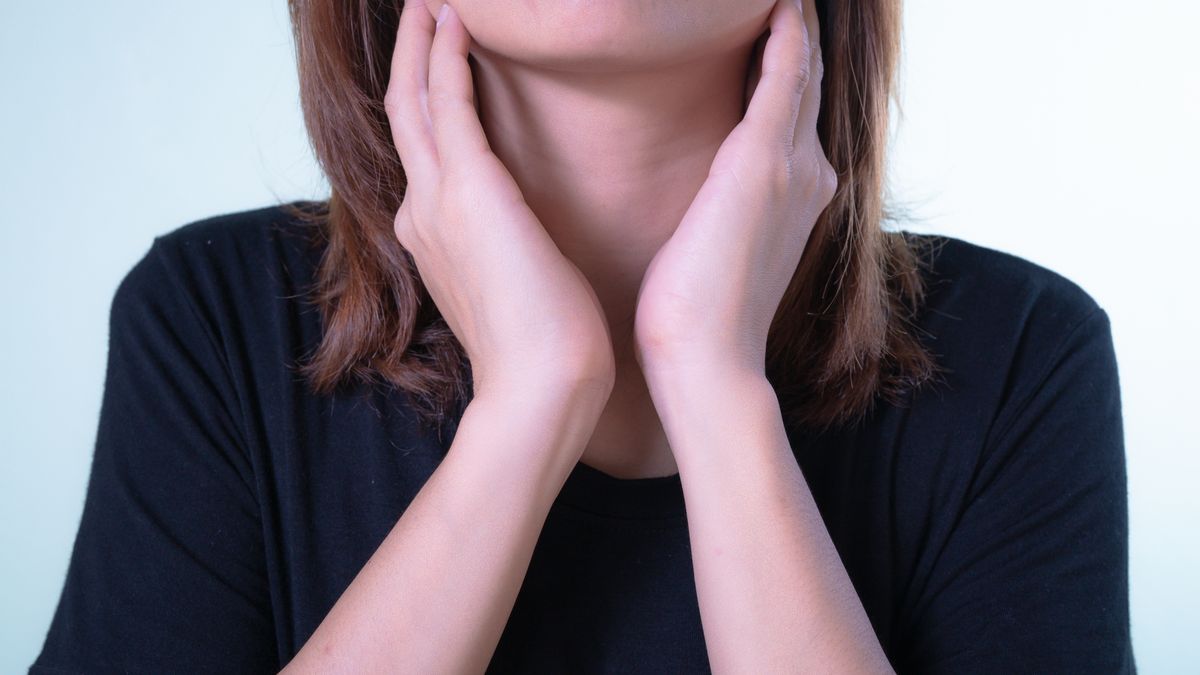
Who should test their thyroid or hormones at home
At-home thyroid and hormone kits exist for one reason: a lot of people feel terrible for months before a doctor ever orders the right blood work. If several of the following sound familiar, a test is a reasonable, low-cost first move.
- Fatigue that sleep does not fix. Waking up tired, dragging through the afternoon, needing caffeine to function. Low thyroid (hypothyroidism) and low testosterone both do this.
- Weight changes you did not earn. Gaining despite no change in diet often points to an underactive thyroid. Sudden loss with a racing heart can point to an overactive one.
- Hair thinning or loss. Thyroid imbalance is a classic, reversible cause of diffuse hair shedding.
- Low libido or erectile changes (men). Often tied to low testosterone, sometimes to thyroid or high estradiol.
- Irregular, heavy, or missing cycles (women). Estradiol, progesterone, FSH, and LH drive the menstrual cycle. Thyroid problems disrupt it too.
- Mood, brain fog, and irritability. Thyroid hormones and sex hormones both shape mood and concentration. Perimenopause and low testosterone are common culprits.
- Cold intolerance, dry skin, constipation. A cluster that points squarely at an underactive thyroid.
- Hot flashes, night sweats, sleep disruption (women 40+). The signature of perimenopause and falling estradiol.
A test will not diagnose you. What it does is turn a vague “something is off” into specific numbers you and a clinician can act on. That is the entire value: it moves you from guessing to measuring.
Test vs treatment: know what you are buying
This is the single most important distinction on this page, and most comparison articles blur it. There are two completely different products being sold here.
A test tells you your levels. You collect a sample at home, a lab measures your hormones, a physician reviews the report so it is legally sound, and you get numbers with reference ranges. That is the whole transaction. The kit will not change your hormones. Everlywell, LetsGetChecked, and the Paloma test kit are all in this category.
A treatment service can change your levels. Here a licensed provider reviews your labs over a video visit and can actually prescribe therapy: thyroid medication, testosterone, estrogen, progesterone, peptides, or weight-loss drugs, then manage the dose over time. Joi and Blokes are treatment services. Paloma’s telehealth membership is a treatment service for thyroid specifically. These cost more and usually run as a subscription, because you are buying ongoing care, not a one-time number.
The honest framing: almost everyone should start with a test. You do not need a prescription service until you have numbers that justify one. Spend $119 to $149 to find out where you stand. If your thyroid is off, or your testosterone is genuinely low, then a treatment service like Joi, Blokes, or Paloma earns its monthly fee. Buying treatment before you have data is buying a solution to a problem you have not confirmed.
How we compared them
The VST Editorial Board weighed five things, in this order:
- Marker depth. A test that measures only TSH can completely miss an early autoimmune thyroid problem. We favored panels that include free T3, free T4, and antibodies over single-marker kits.
- Who reviews it, and can they act. Every option here has physician review. We separated the ones that can only review (tests) from the ones that can prescribe and manage therapy (treatment).
- Lab quality. All four use CLIA-certified labs. Paloma and LetsGetChecked add CAP accreditation, the additional voluntary standard for lab quality.
- Collection method and turnaround. All are finger-prick or saliva based, no needles at a clinic. Turnaround ranges from about 2 days to about a week after the lab receives your sample.
- Total cost and HSA/FSA eligibility. All four accept HSA and FSA. We looked at the realistic all-in cost, not just the sticker price.
Everlywell: best at-home test to know your numbers
Everlywell is the pick if your goal is a clear, affordable read on your thyroid or hormones without committing to a subscription. Its at-home Thyroid Test measures all four core markers: TSH, free T3, free T4, and TPO antibodies, which is the full picture most single-marker kits skip. Collection is a finger-prick dried blood spot, results are processed in CLIA-certified labs, and an independent board-certified physician in your state reviews every result before release. List price is around $149, with results typically in about 5 to 7 business days after the lab receives your sample.
For broader hormone questions, Everlywell sells targeted panels. The Women’s Health Test (around $249) covers a wide set including estradiol, progesterone, LH, FSH, total testosterone, DHEA, cortisol, plus TSH, free T4, and TPO antibodies, using a mix of saliva and finger-prick blood. The Men’s Health Test (around $249) covers cortisol, DHEA, estradiol, and total testosterone. There is also a standalone Testosterone Test (around $69) measuring total testosterone only. All are HSA/FSA eligible.
One honest limit: the standard Everlywell kits are testing-only. The physician review makes the result valid, but the practitioner will not prescribe medication off a standard kit; they direct you to follow up with your own doctor. Everlywell does run a separate virtual-care service that can prescribe in some states, but that is a different product from the test kit. If you want testing and treatment under one roof, look at Joi/Blokes or Paloma below. If you mainly want trustworthy numbers, Everlywell is the cleanest value here.
At-home test kits for specific markers (metabolic, thyroid, hormones) shipped to your door.
Joi and Blokes: best if you want treatment, not just a number
Joi (for women) and Blokes (for men) are sister telehealth brands run on one platform, and they sit in a different category from the test kits. This is a prescribing treatment service: comprehensive lab work, a video consult with a licensed provider, and, if it is warranted, an actual prescription that gets managed over time.
What they treat is broad. Joi handles bioidentical hormone replacement for women (estradiol, progesterone, and testosterone when appropriate), thyroid support, and weight management including GLP-1 medications. Blokes focuses on testosterone replacement therapy (TRT) for men, plus related men’s-health options. Lab panels are comprehensive, often 56 to 110 biomarkers depending on the tier, covering sex hormones (testosterone total and free, estradiol, SHBG, DHEA-S, FSH, LH), thyroid (TSH, free T3, free T4, antibodies), cortisol, and metabolic markers.
Collection is usually a blood draw at a Quest or BioReference lab location, with an optional in-home draw available for an added fee. Lab panels with the included clinician visit are reported in the range of roughly $149 to $699 depending on depth, and treatment subscriptions are advertised from about $59 per month for women’s HRT and about $99 per month for men’s TRT, with HSA/FSA accepted. Availability and exact pricing vary by state and product, so confirm both at checkout.
The honest take: this is the most powerful option here, and the most expensive, because you are buying ongoing medical care, not a one-time test. It is the right call once you already suspect a real deficiency, or once a test has confirmed one and you want someone licensed to treat it.
Telehealth hormone optimization (women via Joi, men via Blokes): labs, TRT/HRT, and peptide protocols.
Paloma Health: best thyroid-only test plus treatment
Paloma is the thyroid specialist of the group, and it spans both categories. Its at-home thyroid test kit measures TSH, free T3, free T4, and TPO antibodies from a finger prick, with reverse T3 and vitamin D available as optional add-ons that need no extra sample. Labs are both CLIA-certified and CAP-accredited, results land in about a week, and the kit is around $119 ($75 for members). It is HSA/FSA eligible.
Where Paloma separates itself is the treatment side. Its membership (about $20 per month billed annually) connects you to clinicians who manage hypothyroidism and Hashimoto’s and can prescribe the full range of thyroid medication, including levothyroxine (Synthroid, Tirosint), liothyronine, and natural desiccated thyroid such as Armour and NP Thyroid. Video visits run around $60 cash or your insurance copay, and Paloma is now in-network with several major insurers. Treatment is available in roughly 34 states (notably not New York or New Jersey).
Choose Paloma when thyroid is specifically your concern and you may want both the test and a clinician who can actually treat the result. It is narrower than Everlywell on general hormones but deeper on thyroid care.
At-home thyroid test plus thyroid-focused telehealth care.
LetsGetChecked: flexible at-home panels with fast results
LetsGetChecked is a testing-first service with the widest menu of panels and the fastest turnaround, often about 2 to 5 days after the lab receives your sample. It splits thyroid into two kits, which matters: the basic Thyroid Test covers TSH, free T3, and free T4 (around $99), while the Thyroid Antibody Test adds both TPO and thyroglobulin (Tg) antibodies (around $119). If you have never been tested, the antibody panel is the one worth paying for, because antibodies are how you catch autoimmune thyroid disease early.
On sex hormones, the Female Hormone Test covers FSH, LH, prolactin, and estradiol (around $139), and the male side runs a ladder from a testosterone-only test (around $89) up to a Complete panel adding SHBG, free androgen index, prolactin, estradiol, and cortisol (around $199). Collection is a finger-prick blood sample, labs are CLIA-certified and CAP-accredited, and results are reviewed by physicians, with a nurse from the medical team calling to explain any abnormal result.
Like Everlywell, the core product is testing, not treatment. Prescriptions are only available through a separate optional telehealth consult (roughly $40 to $50), not bundled with the kit. LetsGetChecked is the pick when you want choice, speed, and antibody coverage at a fair price.
At-home test kits for hormones, thyroid, and general wellness with lab results online.
Which thyroid and hormone markers matter, and what they mean
This is the part worth reading slowly, because the value of any test is only as good as your ability to read it. Here is what each marker measures and what high or low actually signals.
Thyroid markers
- TSH (thyroid-stimulating hormone). The brain’s signal to the thyroid. Counterintuitively, high TSH usually means an underactive thyroid (the brain is shouting to get more output), while low TSH suggests an overactive thyroid. TSH alone is the cheapest screen and the most commonly ordered, but on its own it can miss a lot.
- Free T4 (free thyroxine). The main hormone the thyroid releases, in its available, unbound form. Low free T4 with high TSH confirms an underactive thyroid. It is the storage form your body converts into the active hormone.
- Free T3 (free triiodothyronine). The active hormone that actually drives metabolism in your cells. Some people have normal T4 but poor conversion to T3, which is why measuring free T3, not just T4, catches problems a basic kit misses.
- Reverse T3. An inactive form the body makes under stress or illness. Elevated reverse T3 can suggest your body is dialing down active thyroid hormone. It is a niche marker, useful in specific cases, usually an add-on rather than a standard inclusion.
- TPO antibodies (thyroid peroxidase antibodies) and Tg antibodies (thyroglobulin antibodies). These are the autoimmune flags. High TPO or Tg antibodies point to Hashimoto’s thyroiditis (the leading cause of underactive thyroid) or Graves’ disease (overactive). Antibodies can be elevated years before TSH drifts out of range, which is exactly why a panel that includes them is worth more than one that does not.
Sex hormones and adrenal markers
- Estradiol (E2). The main estrogen. In women, low estradiol drives hot flashes, vaginal dryness, and bone loss around menopause, while levels fluctuate normally across the cycle. In men, high estradiol can cause fatigue, low libido, and breast tissue changes, often a side effect of excess testosterone converting to estrogen.
- Progesterone. Rises after ovulation in women. Low progesterone relative to estrogen is linked to irregular cycles, trouble conceiving, and mood symptoms in the luteal phase.
- FSH and LH (follicle-stimulating and luteinizing hormone). The brain’s signals to the ovaries or testes. In women, high FSH is a key sign of approaching or established menopause and of diminished ovarian reserve. In men, the FSH/LH pattern helps separate a testicular problem from a brain-signal problem when testosterone is low.
- Testosterone, total and free. Total testosterone is everything in the blood; free testosterone is the small fraction actually available to your tissues. Free is often the more meaningful number, especially in men with symptoms but borderline total levels. Low testosterone in men causes fatigue, low libido, and muscle loss; in women, testosterone matters for libido and energy too. Many budget kits report total only.
- SHBG (sex hormone-binding globulin). The protein that binds testosterone and estrogen. High SHBG ties up testosterone and lowers the free, usable amount, which is why two men with identical total testosterone can feel completely different. SHBG is what lets a lab calculate free testosterone or the free androgen index.
- DHEA-S (dehydroepiandrosterone sulfate). An adrenal hormone and a building block for other sex hormones. It declines with age; low levels are sometimes linked to low energy and libido, though it is more of a supporting marker than a headline one.
- Cortisol. The primary stress hormone, on a strong daily rhythm (highest in the morning). Chronically high or flattened cortisol patterns can mimic or worsen thyroid and sex-hormone symptoms, which is why broader panels include it.
How to read your results
Two ideas will save you a lot of confusion. First, reference range is not the same as optimal range. A lab’s reference range is simply the band that covers most of the tested population, including plenty of people who feel unwell. Being “in range” near the very bottom or top can still line up with real symptoms. That is why a number plus your symptoms tells a better story than a number alone.
Second, one marker rarely tells the whole story. A normal TSH with low free T3 and high TPO antibodies is a very different situation from a normal TSH with everything else normal, even though the TSH reads the same. Read the panel as a pattern, not a single value.
See a clinician, and consider an endocrinologist, when: TSH is clearly out of range, antibodies are elevated, testosterone is genuinely low with symptoms, you have a result that swings far from a previous test, or you simply have a confirmed abnormal number you want treated. An at-home test is the front door, not the destination.
At-home accuracy and limits
Reputable at-home kits are accurate when used correctly, because the actual measurement happens in the same kind of CLIA-certified labs a doctor’s office sends samples to. The weak link is not the lab; it is collection and timing. A skimpy finger-prick sample, testing at the wrong time of day, or testing on the wrong cycle day can all skew results.
A note on collection method: most at-home kits use a finger-prick sample (a few drops of capillary blood) rather than a venous draw from your arm. For thyroid and most hormone screening this is well validated, but for some precise measurements a venous draw is still the gold standard, which is part of why services like Joi and Blokes use full lab draws for treatment decisions. If you are screening, finger-prick is fine. If a result will drive a prescription, expect a fuller draw.
At-home testing is not appropriate when you have severe or rapidly worsening symptoms (a racing heart, severe weight loss, chest pain), when you are pregnant or actively managing a known thyroid condition that needs close monitoring, or when you need a diagnosis rather than a screen. In those cases, see a clinician directly. Self-testing is for screening and tracking, not for emergencies or formal diagnosis.
What it costs
Here is the realistic spend, all of it HSA/FSA eligible.
- A single thyroid test: roughly $99 to $149 (LetsGetChecked basic at the low end, Everlywell’s four-marker test or Paloma at the higher end). One-time cost.
- A broad hormone panel: roughly $139 to $249 depending on how many sex and adrenal markers you want. One-time cost.
- Thyroid treatment (Paloma): about $20 per month membership (billed annually) plus around $60 per visit, plus medication. Ongoing.
- Hormone optimization (Joi/Blokes): a lab panel from roughly $149, then treatment subscriptions advertised from about $59 per month (women) or $99 per month (men), plus medication. Ongoing.
The pattern is clear: testing is a small one-time cost, treatment is a recurring one. Start with the test. Only graduate to a treatment subscription once you have a number that justifies it.
Frequently asked questions
Are at-home thyroid and hormone tests accurate?
Yes, when used correctly. The samples are analyzed in CLIA-certified labs, the same standard used by clinics. Accuracy depends mostly on collecting a good sample and testing at the right time. Confirm any abnormal result with a clinician-ordered test before acting on it.
What is the best time of day to test?
Morning, generally before about 10 a.m., is best for most hormone tests. Testosterone and cortisol both peak in the morning and fall through the day, so a morning sample gives the most meaningful read. Follow each kit’s specific instructions.
What day of my cycle should I test female hormones?
It depends on what you are checking. FSH, LH, and estradiol are often tested early in the cycle (around days 2 to 5), while progesterone is tested in the luteal phase (around day 21 of a 28-day cycle) to confirm ovulation. Each kit will tell you which day to collect.
Do I need to fast before a thyroid or hormone test?
Thyroid and most sex-hormone tests do not require fasting. If a panel bundles in metabolic markers like glucose or a lipid profile, fasting may be requested. Always check the instructions that come with your specific kit.
Can an at-home test diagnose thyroid disease?
No. It can screen for and flag a likely problem, but a formal diagnosis of hypothyroidism, Hashimoto’s, or Graves’ disease requires a clinician who can review your full history and confirm with their own testing. Treat the at-home result as a strong signal, not a verdict.
Do I need a doctor to use these?
You do not need your own doctor to order the test; each service has a physician review every result so it is valid. But to be treated, you do need a clinician. With Everlywell and LetsGetChecked you take results to your own provider. With Joi, Blokes, and Paloma the provider is built into the service and can prescribe directly.
Which option can actually prescribe medication?
Joi, Blokes, and Paloma can prescribe and manage therapy through their own licensed providers (hormone replacement, testosterone, thyroid medication). Everlywell and LetsGetChecked are testing-first; prescriptions, if available at all, come through a separate optional telehealth add-on, not the kit itself.
Are these tests HSA or FSA eligible?
Yes. Everlywell, Joi/Blokes, Paloma, and LetsGetChecked all accept HSA and FSA payment. None of the at-home test kits are typically covered by traditional insurance, though Paloma’s treatment visits can be billed to several major insurers.
How long do results take?
Roughly 2 to 5 days for LetsGetChecked, about a week for Paloma, and about 5 to 7 business days for Everlywell, all measured from when the lab receives your sample. Add a few days for two-way shipping.
Test or treatment service, which should I buy first?
For almost everyone, the test first. A $99 to $149 test tells you whether you actually have a problem. Only move to a treatment service like Joi, Blokes, or Paloma once you have numbers, or strong symptoms, that justify ongoing care.