Researchers at UW Medicine have launched a new clinical trial to test whether a GLP-1 drug can help people with alcohol use disorder reduce their drinking. The study will examine if medications like semaglutide, currently approved for type 2 diabetes and weight management, can also curb cravings for alcohol. This trial adds to a growing body of research exploring GLP-1 drugs for addiction treatment.
Key takeaways
- UW Medicine is conducting a clinical trial to test a GLP-1 drug for alcohol use disorder.
- The drug, similar to semaglutide, may reduce alcohol cravings by acting on brain reward pathways.
- Early animal and human studies suggest GLP-1 medications can lower alcohol consumption.
- If successful, this could offer a new treatment option for millions of Americans with alcohol use disorder.
What is the clinical trial studying?
The simplest way to actually get this done
Superpower is a full-body lab membership that runs 100+ biomarkers, has each result reviewed by a doctor, and tracks your numbers year over year (about $199/year). It is what we point readers to when they would rather get one clean, complete draw than chase single tests one at a time. Here is superpower reviewed in full.
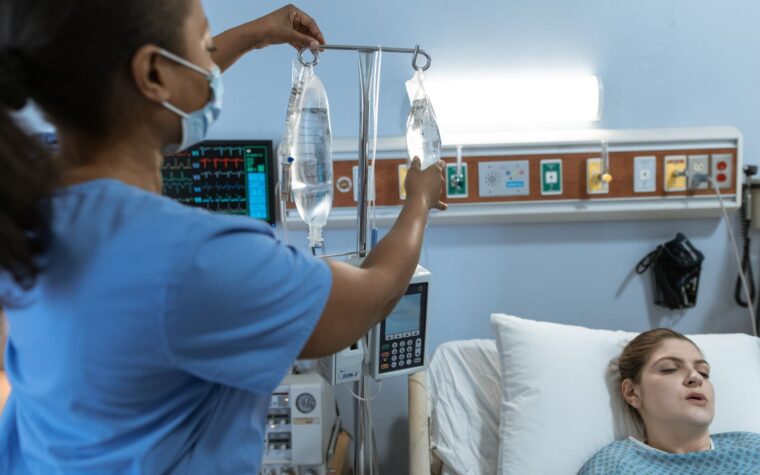
The trial, led by researchers at UW Medicine, will enroll adults with moderate to severe alcohol use disorder. Participants will receive either a GLP-1 drug or a placebo for several weeks. The researchers will monitor changes in drinking patterns, cravings, and brain activity using functional MRI scans. The goal is to see if the drug reduces the number of heavy drinking days and overall alcohol intake.
According to the UW Medicine newsroom, the study builds on preclinical work showing that GLP-1 drugs can decrease alcohol seeking behavior in animals. A small human study also found that people taking these medications for diabetes reported drinking less alcohol. The new trial aims to confirm these findings in a larger, controlled setting.
How the study is designed to measure success
The design details are what separate this trial from the anecdotes that circulate online about people drinking less on Ozempic. It is randomized and placebo controlled, which means neither the participant nor, ideally, the person assessing them knows who received the active drug. That structure exists to strip out the placebo effect, which runs unusually high in addiction research because people who enroll in a drinking study are often already motivated to cut back. Without a placebo arm, any drop in drinking could simply reflect the fact that someone signed up to change.
The primary outcomes track how much and how often people drink. In alcohol research, a heavy drinking day has a specific meaning: four or more standard drinks in a day for women, five or more for men, using the National Institute on Alcohol Abuse and Alcoholism definition. Counting heavy drinking days, rather than total volume alone, matters because the pattern of drinking drives much of the harm. Two people can average the same weekly intake, but the one who binges on the weekend faces a different risk profile than the one who drinks a single glass each night.
Trial duration also shapes what the results can claim. Alcohol behavior is noisy from week to week, so a study needs enough time on the medication for a real pattern to separate from ordinary fluctuation, which is why these trials run over weeks rather than days. Enrollment criteria matter just as much. A study of adults with moderate to severe alcohol use disorder is asking a different question than one focused on light social drinkers, and the answer applies only to the group actually studied. Reading any headline about this research means checking who was in the trial before assuming the finding applies to everyone.
The functional MRI component is the part clinicians find most interesting. Self-reported craving is notoriously unreliable, because people underreport, forget, or tell researchers what they think is expected. Watching how the brain lights up when a participant sees a photo of a drink, before and after weeks on the medication, offers a more objective window into whether the drug is actually blunting the pull of alcohol cues. If the scans show reduced activation in reward regions alongside fewer heavy drinking days, that convergence of subjective and objective evidence is far more persuasive than either signal alone.
How might GLP-1 drugs affect alcohol cravings?
GLP-1 drugs work by mimicking a hormone called glucagon-like peptide-1, which helps regulate blood sugar and appetite. These medications also act on receptors in the brain that are involved in reward and pleasure. Researchers believe this mechanism may reduce the rewarding effects of alcohol, making it less appealing to drink.
Dr. Andrew Saxon, a psychiatrist and addiction specialist at UW Medicine, explained in the original report that the drug may dampen the brain’s response to alcohol cues. This could help people with alcohol use disorder resist the urge to drink, especially in social situations or times of stress. The trial will use brain scans to see if the drug actually changes how the brain reacts to alcohol related triggers.
To understand why a diabetes drug might touch drinking at all, it helps to know that the reward system does not distinguish sharply between food, alcohol, and other pleasurable stimuli. They share a common circuit that runs from the ventral tegmental area to the nucleus accumbens, driven largely by dopamine. GLP-1 receptors are scattered through this circuit, not just in the pancreas and gut, and animal work has shown that stimulating them can dampen the dopamine surge that follows a rewarding stimulus. The working theory is straightforward: if the drug quiets that surge, the drink delivers less of a hit, and the behavior that chases the hit weakens over time.
Several strands of the mechanism are worth separating out:
- Reduced reward from alcohol. By acting on the mesolimbic dopamine pathway, GLP-1 signaling may lower the pleasurable payoff of a drink, which is the payoff that reinforces repeated use.
- Blunted cue reactivity. Much of relapse is driven by triggers, the bar, the smell, the routine, rather than by the alcohol itself. If the drug reduces how strongly the brain responds to these cues, it may help people ride out the moment.
- Shared appetite machinery. The same circuitry that governs hunger overlaps with the circuitry that governs craving, which is one reason a drug built to reduce food intake keeps turning up as a candidate for other appetitive behaviors.
- Slower gastric emptying. A more speculative contributor is that delayed stomach emptying could change how quickly alcohol is absorbed and felt, though this is a minor part of the story compared with the central brain effects.
What did earlier research on GLP-1 drugs and alcohol find?
This trial does not come out of nowhere. The strongest early evidence has come from animal models, where rodents given GLP-1 drugs consistently reduce how hard they work for alcohol and how much they consume. Those studies are clean because researchers control everything, but they are also limited, because a rat pressing a lever is not a person navigating a lifetime of habits, social pressure, and stress.
The human signal so far has been mostly observational. When people were prescribed these medications for diabetes or weight, some reported that they also drank less, and large database analyses have picked up similar patterns. The problem with observational data is that it cannot prove cause. People who start a GLP-1 drug are often making other changes at the same time, seeing a doctor more often, focusing on their health, losing weight, and any of those could explain a drop in drinking. That gap between a suggestive correlation and actual proof is exactly what a randomized trial is built to close, which is why the UW Medicine study carries weight that a survey never could.
How does this compare with current alcohol use disorder treatments?
Alcohol use disorder is strikingly undertreated. Only a small fraction of people who could benefit from medication ever receive one, and the three drugs approved for it in the United States each have real limits. Naltrexone blocks opioid receptors and can reduce the reward and craving associated with drinking, but it does not work for everyone and cannot be used by people who need opioid pain medication. Acamprosate helps stabilize brain chemistry in people who have already stopped drinking, though it requires taking pills several times a day, which many people struggle to sustain. Disulfiram causes an unpleasant reaction if a person drinks, but it relies almost entirely on daily motivation and is used far less often as a result.
Against that backdrop, the appeal of a GLP-1 approach is not that it would replace these options, but that it might reach people they do not. A once-weekly injection that a person is already comfortable taking for weight or blood sugar carries less stigma than a medication labeled for addiction, and the safety profile is well mapped from years of widespread use. If it works, it would widen the menu rather than crown a single winner, and for a condition where most people currently get no medication at all, a wider menu is the point.
Why are researchers exploring GLP-1 drugs beyond weight loss?
Alcohol is only one front. The same reasoning that makes GLP-1 drugs a plausible tool for drinking has pushed researchers to study them for nicotine, opioid, and stimulant use, and even for compulsive behaviors that have nothing to do with a substance. The common thread is the reward circuit. If a medication can turn down the volume on the brain’s response to one rewarding stimulus, it is worth asking whether it does the same across the board. A positive result in alcohol would strengthen the broader idea that addiction is, at its core, a disorder of reward signaling that can be reached pharmacologically, not just a failure of willpower.
That framing matters for how the public understands these conditions. For decades, alcohol use disorder has been treated as a moral problem first and a medical one second, which is part of why so few people receive medication for it. Research that locates the behavior in specific brain pathways, and shows those pathways can be modulated, chips away at the stigma. Even if this particular drug turns out to be only modestly effective, the science it generates about how the reward system drives drinking has value that outlasts any single medication.
What would realistic expectations look like?
It is worth calibrating hope before the results arrive. Even the best addiction medications do not make drinking effortless to stop. They shift the odds, reducing heavy drinking days or lengthening the stretches between relapses, and they work best alongside counseling and support rather than instead of them. A realistic win for this trial would be a meaningful reduction in heavy drinking days compared with placebo, not a cure. Some people in the study will respond strongly, some barely at all, and teasing out who falls into which group is part of what the brain scans are meant to help answer.
There is also the durability question that shadows every GLP-1 use. In weight management, stopping the drug often leads to regain, because the underlying drivers return once the medication clears. Whether the same pattern holds for drinking, with cravings creeping back after the drug stops, is something a short trial cannot fully settle. That does not diminish the value of the research. It simply means the honest answer to whether these drugs help with alcohol is, for now, a carefully hedged maybe, and the point of doing the trial properly is to replace the hype with something you can actually rely on.
Why is this research important?
Alcohol use disorder affects about 29 million adults in the United States, according to the National Institute on Alcohol Abuse and Alcoholism. Current treatment options include counseling, support groups, and a few approved medications like naltrexone and acamprosate. However, many people do not respond well to these treatments, and relapse rates remain high.
If GLP-1 drugs prove effective for alcohol use disorder, they could offer a new, well tolerated option. These medications are already widely prescribed for diabetes and obesity, so doctors are familiar with their safety profile. The UW Medicine trial could pave the way for a new use of an existing drug, potentially helping millions of people who struggle with alcohol addiction.
Should anyone try a GLP-1 drug for drinking right now?
This is the part that gets lost in the excitement. No GLP-1 medication is approved for alcohol use disorder, and a trial that is still enrolling has not proven anything yet. Using one off label to cut down on drinking means accepting the known downsides of the drug without any confirmed benefit for this use. Those downsides are not trivial. The most common are gastrointestinal: nausea, vomiting, diarrhea, and constipation, which are worse during dose increases. Less common but more serious concerns include pancreatitis, gallbladder problems, and a boxed warning about a rare thyroid tumor seen in animals, which is why these drugs are avoided in people with a personal or family history of medullary thyroid carcinoma or the MEN 2 syndrome.
There is also the alcohol interaction itself to respect. Both alcohol and GLP-1 drugs can upset the stomach, so combining them tends to amplify nausea. In people who also take insulin or a sulfonylurea for diabetes, drinking while on these medications can push blood sugar dangerously low, and heavy drinking on top of the appetite suppression these drugs cause raises the risk of not eating enough. None of this means the research is misguided. It means the responsible move is to let the controlled trials answer the question rather than run an uncontrolled experiment on yourself.
If drinking is a problem now, there is no reason to wait for a trial that will not report for a year or more. Effective treatments already exist, and the first step is a candid conversation with a clinician who can screen for alcohol use disorder, often with a short questionnaire, and match a person to counseling, a support program, or one of the approved medications. Telehealth has made that conversation far easier to start than it used to be, and the same clinics that manage GLP-1 prescriptions for weight can order the labs that reveal whether drinking has already begun to affect the liver or metabolism.
A short scenario shows how the two threads connect. Picture someone who started a GLP-1 drug for weight and noticed, without trying, that they no longer wanted the two glasses of wine that used to end every evening. That experience is common enough to fuel the anecdotes, and it is exactly the observation that inspired trials like this one. The catch is that anecdote and evidence are not the same thing. The person in that story may have cut back because they were eating less, feeling healthier, and paying closer attention to their body, not because the drug directly quieted a craving. Only a controlled trial can tell those explanations apart, which is why one story, however compelling, is a starting point for research rather than an answer.
Signs that drinking has crossed from habit into disorder, and that professional help is worth seeking now rather than later, include the following:
- Drinking more, or for longer, than intended on a regular basis.
- Repeated unsuccessful attempts to cut down or stop.
- Strong cravings or urges that intrude during the day.
- Needing more alcohol to feel the same effect, a sign of tolerance.
- Withdrawal symptoms such as shakiness, sweating, or anxiety when not drinking, which warrant medical supervision before stopping.
Want a real clinician to run the numbers, not a guess?
Joi + Blokes is a telehealth clinic that prescribes GLP-1 medication (Zepbound, compounded semaglutide and tirzepatide), hormone therapy (TRT, HRT), thyroid care, and peptides after a real lab panel and clinician review, with no membership or consult fee (prescriptions from about $59/month, lab panels from $149). If the scale will not budge, this is where you find out whether insulin, thyroid, or hormones are the real reason. Here is Joi + Blokes reviewed in full.
Frequently Asked Questions
What is a GLP-1 drug?
GLP-1 drugs, such as semaglutide (Ozempic, Wegovy) and liraglutide (Victoza, Saxenda), are medications that mimic a natural hormone involved in blood sugar control and appetite regulation. They are primarily used to treat type 2 diabetes and obesity but are now being studied for other conditions like addiction.
How can a diabetes drug help with alcohol addiction?
Researchers believe GLP-1 drugs reduce the rewarding effects of alcohol by acting on brain regions involved in pleasure and addiction. Early studies in animals and humans suggest these medications can lower alcohol cravings and consumption, possibly by making drinking less satisfying.
When will results from this trial be available?
The UW Medicine trial is currently enrolling participants, and results are not expected for at least a year. The study will need to complete data collection and analysis before any conclusions can be drawn. Researchers hope to publish their findings in a peer reviewed medical journal.
Is it safe to take a GLP-1 drug just to drink less?
There is no proven benefit and there are real risks, so it is not something to do on your own. These drugs carry gastrointestinal side effects, a small risk of pancreatitis and gallbladder disease, and warnings against use in people with certain thyroid cancers. Using one off label for drinking means taking on those risks without confirmed reward. Anyone considering it should talk to a clinician who can weigh it against treatments that are already proven to work.
Do GLP-1 drugs and alcohol interact?
Yes, in ways worth knowing. Both can irritate the stomach, so drinking while on the medication often makes nausea worse. For people who also use insulin or a sulfonylurea, alcohol can drive blood sugar too low. And because these drugs sharply reduce appetite, heavy drinking on top of them raises the chance of not eating enough. Moderation and a clinician’s guidance matter here.
Will this change how doctors treat alcohol use disorder soon?
Not in the near term. A single trial that is still enrolling has to finish, be analyzed, and be replicated before anything changes in clinical guidelines. Even a strongly positive result would take years to translate into approved use. For now, the standard of care remains counseling, support programs, and the medications already approved for the condition.
Why use brain scans instead of just asking people how much they drink?
Self-report is useful but easy to skew, whether from forgetting, embarrassment, or the wish to please a researcher. Functional MRI adds an objective layer by showing how the brain responds to alcohol cues before and after treatment. When a drop in self-reported craving lines up with reduced activity in reward regions, the two signals reinforce each other and make the finding harder to dismiss as wishful reporting.
For more information on this study, visit the UW Medicine newsroom.
This is an original report by Vital Signs Today, informed by reporting from Google News. Read the original source.
This article is for information only and is not medical advice. See our Medical Disclaimer.