If a lab or clinician handed you a slip that says “non fasting” and you are not sure whether you can grab breakfast first, this guide walks through exactly what that means, which tests it applies to, and how it changes your numbers.
Not sure if you need to fast? Skip the guesswork with an at-home test that tells you exactly what to do. One at-home Superpower draw checks 100+ biomarkers, physician-reviewed.
- A non fasting blood test is one you can take without skipping food or drink beforehand, and major US and European cardiovascular guidelines since 2014 now accept non fasting blood draws for routine cholesterol screening.
- Most lipid panels and the A1C diabetes test do not require fasting, but a fasting blood glucose test still requires at least 8 hours without food except water.
- If a non fasting lipid panel shows triglycerides at or above 400 mg/dL, ACC and AHA guidance recommends repeating the test after a proper fast for an accurate reading.
What is a non fasting blood test?
A non fasting blood test is a blood draw you can do after eating or drinking normally, with no required fasting window beforehand. Every major cardiovascular guideline issued since 2014, including those from the American College of Cardiology, the American Heart Association, and the European Society of Cardiology, now accepts non fasting blood draws as a valid option for routine cholesterol screening (ACC).
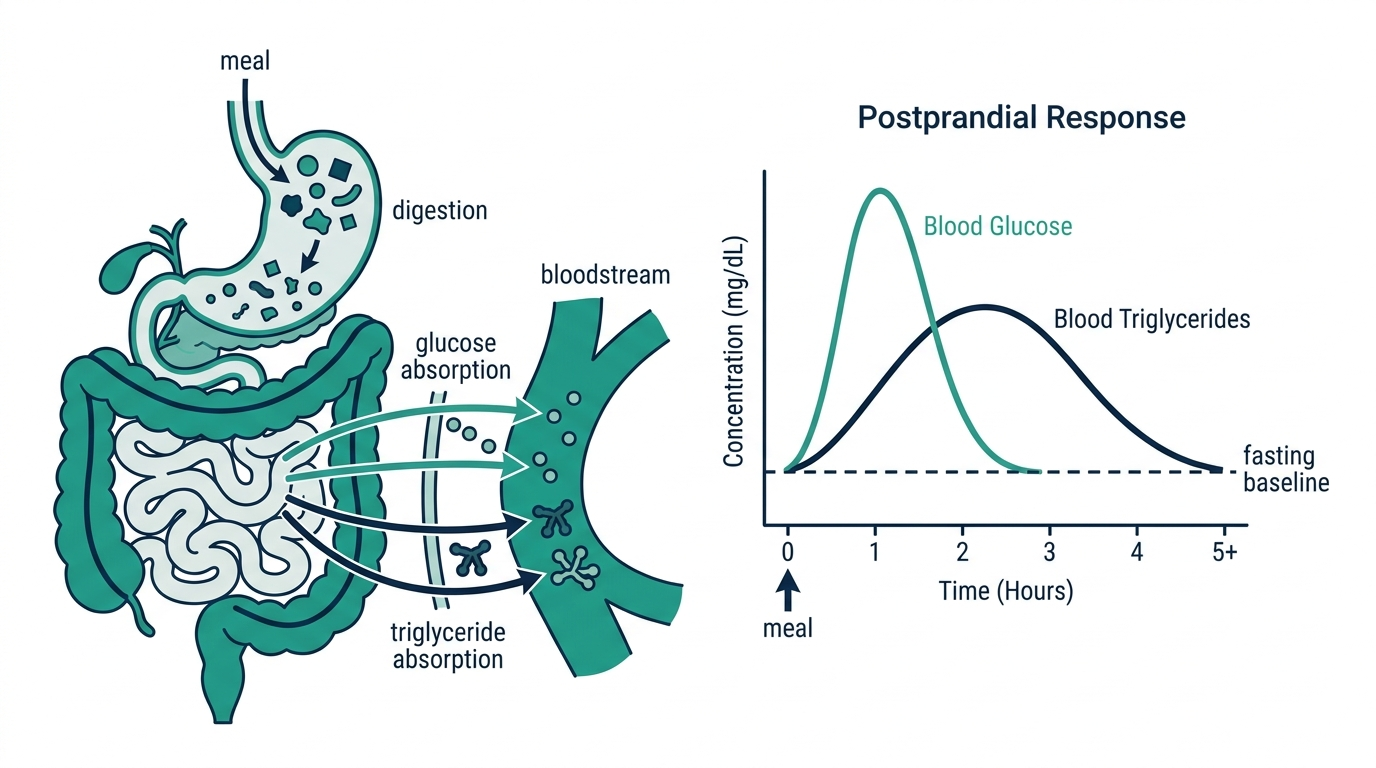
The contrast is a fasting test, where you avoid all food and drink except plain water for a set number of hours. Fasting was historically the default for lipid and glucose work because eating temporarily raises blood sugar and triglycerides. The shift toward non fasting testing reflects large studies showing that, for routine screening, the convenience and safety usually outweigh the small differences in results.

Which blood tests do not require fasting?
Several common tests can be done non fasting, led by routine lipid panels and the hemoglobin A1C test. A 2016 joint consensus statement recommended non fasting lipid testing as the standard for routine measurement, reserving fasting for selected cases (European Atherosclerosis Society consensus, PMC).
- Lipid panel (routine screening): Total cholesterol, HDL, LDL, and triglycerides can be checked non fasting for most people during a general checkup.
- A1C (hemoglobin A1C): No fasting needed. It reflects average blood sugar over 2 to 3 months, so a recent meal does not move it (NIDDK).
- Random glucose: Drawn at any time of day. In a person with classic high blood sugar symptoms, a random plasma glucose at or above 200 mg/dL indicates diabetes (UCSF Diabetes Teaching Center).
- Complete blood count (CBC), kidney function, and most thyroid tests: Generally do not need fasting.
Which blood tests still require fasting?
A handful of tests are still ordered with a fasting window, most importantly the fasting blood glucose test and the oral glucose tolerance test, which require fasting for at least 8 hours beforehand (MedlinePlus). Plain water is allowed during the fast.
- Fasting blood glucose: Requires at least 8 hours without food. Diabetes is diagnosed when 2 separate fasting plasma glucose results each measure 126 mg/dL or higher (UCSF).
- Oral glucose tolerance test (OGTT): Starts with a fasting draw, then a sugar drink and timed follow up samples.
- Fasting lipid panel: Still preferred before starting statins, or when non fasting triglycerides are very high.
- Some iron studies: Eating and drinking can shift serum iron, so a fasting morning draw is sometimes requested (MedlinePlus).
Because labs differ, always confirm with your clinician whether your specific order needs a fast.
Does eating affect cholesterol and triglyceride results?
Eating has only a small effect on total cholesterol, HDL, and LDL, but it can meaningfully raise triglycerides for several hours after a meal. That is why non fasting screening is acceptable for most lipid markers while triglycerides get the most scrutiny (Cleveland Clinic Journal of Medicine).
Guidelines set higher alert thresholds for non fasting samples to account for this. Many guidelines flag non fasting triglycerides at 175 mg/dL or above as elevated, and an AHA statement notes that a non fasting triglyceride level above 200 mg/dL can identify a high triglyceride state (EAS consensus, PMC). LDL cholesterol is calculated from the other values, so when triglycerides run high after a meal, the calculated LDL becomes less reliable. This is the main practical reason a clinician may ask you to come back fasting.
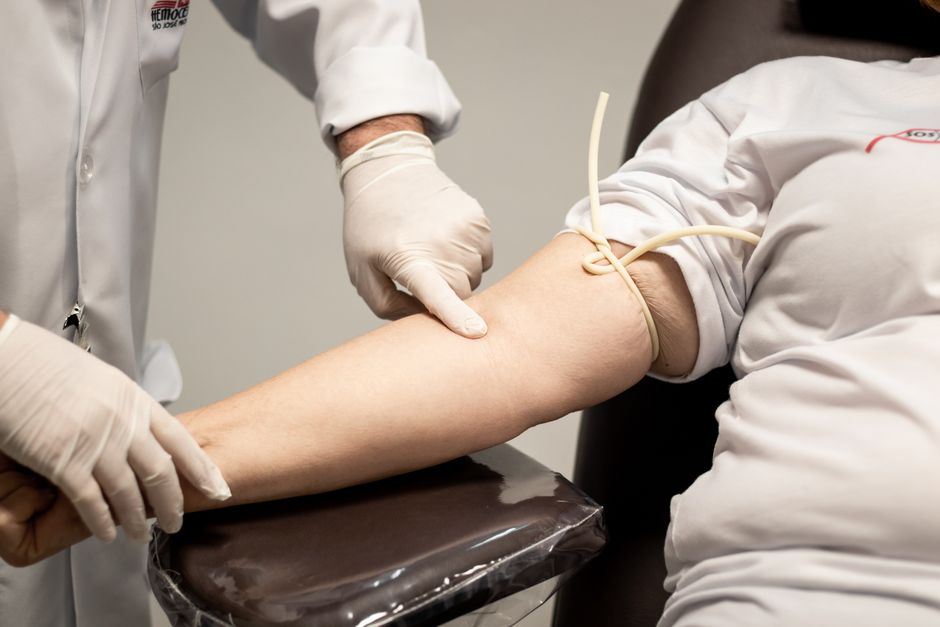
When should you repeat the test after fasting?
You should repeat a lipid test after fasting when a non fasting triglyceride result reaches 400 mg/dL or higher. ACC and AHA guidance, along with Canadian and VA recommendations, advise a fasting repeat at that level to get an accurate triglyceride reading (ACC).
Fasting is also generally preferred in a few other situations:
- Before starting statin therapy: A fasting LDL gives a cleaner baseline to track treatment.
- Very high markers: When non HDL cholesterol is above 220 mg/dL or triglycerides are above 500 mg/dL, fasting helps assess possible genetic or secondary causes (ACC).
- Diagnosing diabetes by glucose: A fasting glucose draw is needed, although A1C can be used non fasting instead.
How do you prepare for a non fasting blood test?
For a true non fasting test, no special preparation is required and you can eat and drink as usual, though a few habits still help your results be representative. The single most important step is to confirm with your clinician or lab that no fast is needed, since requirements vary by test and by lab (MedlinePlus).
- Stay hydrated: Drink plain water, which makes veins easier to find and is allowed even during fasting tests.
- Keep your routine normal: Avoid an unusually large or fatty meal right before, since that can spike triglycerides.
- List your medications and supplements: Some can affect specific results, so tell the person drawing your blood.
- Ask about timing: If both fasting and non fasting orders are on your slip, ask whether a morning fasting visit is simpler.
Why fasting was the traditional rule
To understand why non fasting testing is now accepted, it helps to know why fasting was the default for so long. The rule was never arbitrary. Eating changes the blood in measurable ways for a few hours, and older lab methods were built around a fasting baseline.
After a meal, two things happen that matter for common tests. Blood sugar rises as carbohydrate is absorbed, and triglycerides rise as dietary fat is packaged and shipped through the bloodstream. Because the standard LDL cholesterol value on most panels is calculated using triglycerides rather than measured directly, a post-meal triglyceride spike can throw off the calculated LDL. Fasting removed that variability, giving a clean, reproducible baseline. The tradeoff was convenience and safety: fasting patients often had early-morning appointments, sometimes felt lightheaded, and diabetics on medication risked low blood sugar while waiting. As evidence grew that the small differences rarely changed screening decisions, the balance tipped toward allowing non fasting draws.

Fasting requirements at a glance
Because the rules differ by test, a quick reference helps. This table summarizes the common situations, though your specific order and lab should always be confirmed first.
| Test | Fasting usually needed? | Notes |
|---|---|---|
| Routine lipid panel (screening) | No | Accepted non fasting for most people since the 2016 consensus. |
| Hemoglobin A1C | No | Reflects 2 to 3 month average, unaffected by a recent meal. |
| Random glucose | No | Interpreted differently from a fasting value. |
| Complete blood count (CBC) | No | Food does not meaningfully change it. |
| Most thyroid and kidney tests | No | Generally fine non fasting. |
| Fasting blood glucose | Yes | At least 8 hours, water allowed. |
| Oral glucose tolerance test | Yes | Starts fasting, then a sugar drink and timed draws. |
| Fasting lipid panel | Sometimes | Preferred before statins or when triglycerides are very high. |
| Some iron studies | Sometimes | A fasting morning draw is sometimes requested. |
The pattern is that glucose-based diagnostic tests and a few specific studies still lean on fasting, while most screening bloodwork does not. When in doubt, the safest move is to ask before your appointment.
What actually changed the guidelines
The shift to non fasting testing was driven by evidence, not just convenience. Large population studies compared fasting and non fasting lipid measurements in the same people and found that, for total cholesterol, HDL, and LDL, the differences were small and rarely changed how a person was classified for cardiovascular risk (Cleveland Clinic Journal of Medicine).
Two additional insights pushed the change. First, some researchers argued that a non fasting sample may actually reflect the state your blood is in most of the day, since people spend far more hours in a fed state than in a fasted one, which could be more relevant to real-world cardiovascular risk. Second, the practical harms of mandatory fasting, including missed or delayed testing and hypoglycemia risk in people on diabetes medication, were increasingly recognized. Weighing all of this, the American College of Cardiology, the American Heart Association, and the European Atherosclerosis Society moved to endorse non fasting lipid testing for routine screening, reserving fasting for specific circumstances (EAS consensus, PMC).
What “fasting” precisely includes and excludes
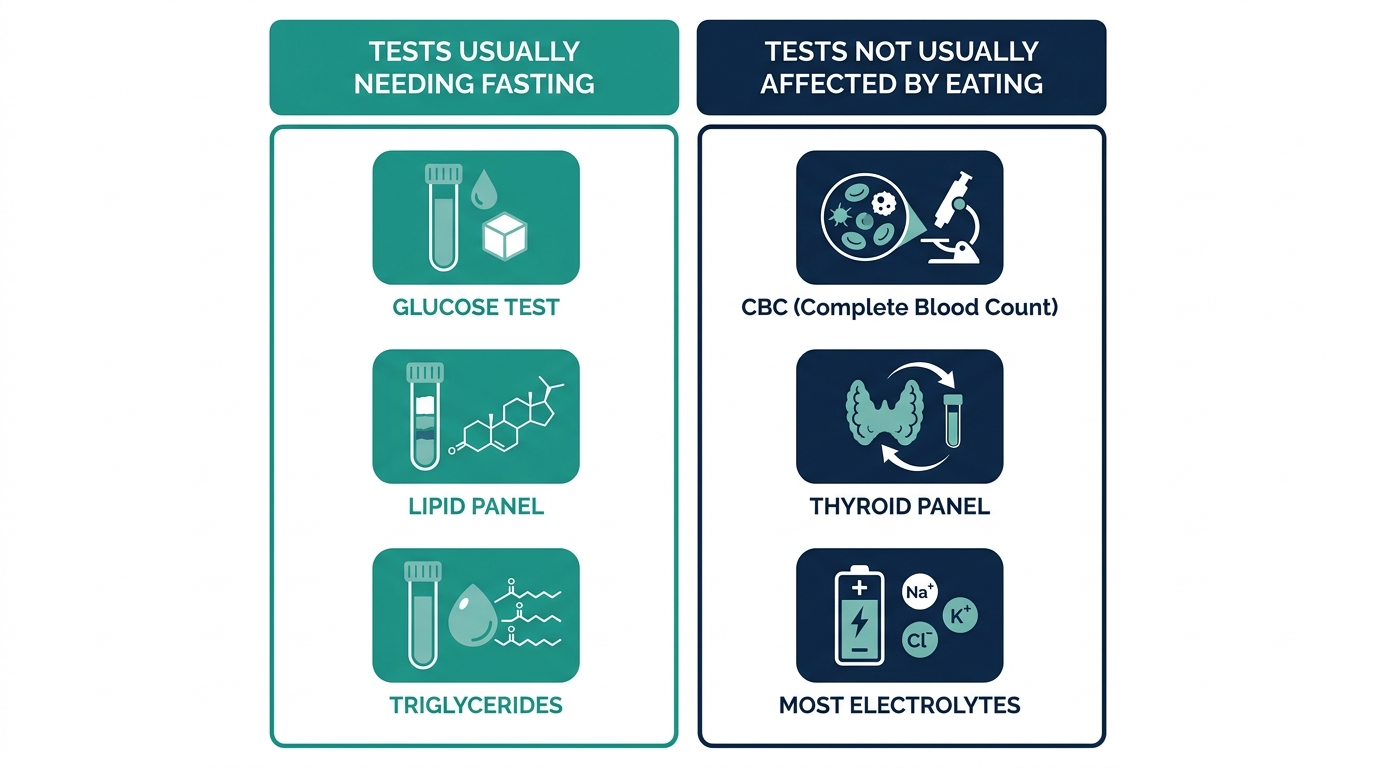
When a test does require fasting, the details trip people up, so it is worth being precise. Fasting means no food and no caloric drinks for the specified window, usually at least 8 hours, with a few clear rules.
- Plain water is allowed and encouraged. Staying hydrated makes the draw easier and does not affect fasting results (MedlinePlus).
- Coffee and tea can count as breaking a fast for testing purposes, even black, because they can influence some results. It is safest to skip them until after the draw unless your clinician says otherwise.
- Gum, mints, and sugary drinks break a fast. Anything with calories or that stimulates digestion can affect glucose or other values.
- Alcohol should be avoided before a fasting test, since it can affect glucose and triglycerides.
- Medications and water to swallow them are generally fine, but confirm with your clinician, since a few drugs need timing around the test.
Getting these details right is the difference between a clean result and an avoidable repeat visit.
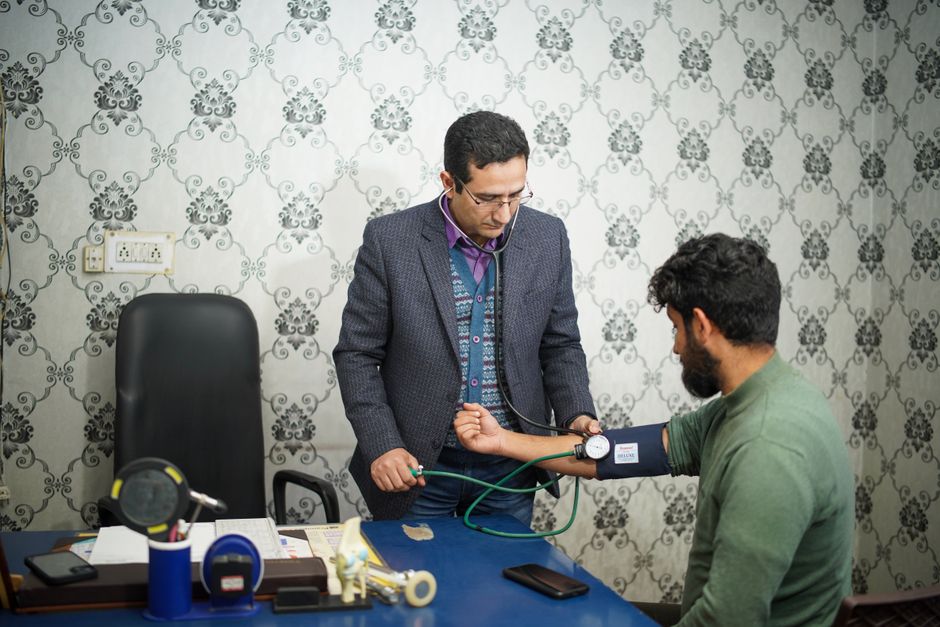
Non fasting testing and diabetes
Diabetes diagnosis is where the fasting question matters most, because glucose is directly affected by food. There are several ways to assess blood sugar, and they are not interchangeable.
- A1C can be done non fasting and reflects the average over 2 to 3 months. A value of 6.5 percent or higher is a diagnostic threshold for diabetes (NIDDK).
- Fasting plasma glucose requires an 8 hour fast, and diabetes is diagnosed when two separate fasting results each reach 126 mg/dL or higher (UCSF Diabetes Teaching Center).
- Random glucose can be drawn anytime, and a value of 200 mg/dL or higher with classic symptoms points to diabetes.
A practical benefit of the A1C is that it removes the fasting requirement entirely and is not thrown off by a recent meal, which is one reason it has become a convenient screening tool. That said, a clinician chooses among these based on your situation, and sometimes more than one is used to confirm a diagnosis.
Special situations to know about
Fasting guidance is not one-size-fits-all, and a few groups deserve extra care.
- People with diabetes on medication: a long fast can risk low blood sugar, which is one of the safety reasons non fasting options are valued. Anyone on insulin or a sulfonylurea should ask how to time a required fasting test.
- Children: a prolonged fast is harder for kids, so non fasting screening can be especially practical when appropriate.
- Pregnancy: glucose testing in pregnancy has its own protocols, including the glucose challenge and tolerance tests, so follow the specific prenatal instructions rather than general rules.
- Frail or elderly patients: fasting can be riskier, so the convenience and safety of non fasting testing can matter more.
In each case the theme is the same: the fasting decision balances accuracy against the real burden and risk of fasting for that person.
How food affects tests beyond lipids and glucose
Most attention goes to cholesterol and blood sugar, but eating can nudge a few other values, which is worth knowing if a result looks unexpected.
- Iron studies: serum iron can shift after eating, so a fasting morning draw is sometimes requested for the most consistent reading (MedlinePlus).
- Triglycerides: the most food-sensitive lipid, which is why they carry higher non fasting alert thresholds and a fasting repeat rule at very high levels.
- Phosphate and some electrolytes: a carbohydrate-heavy meal can transiently shift phosphate into cells, slightly lowering it.
- Most other common tests, including CBC, kidney function, and thyroid, are not meaningfully changed by a recent meal.
The takeaway is that non fasting testing is fine for the large majority of bloodwork, and the exceptions are a short, predictable list rather than a reason to fast for everything.
What to do if you ate before a test that needed fasting
It is a common worry, and the fix is usually simple. If you accidentally ate or drank something before a test that required fasting, do not guess or hide it. Tell the person drawing your blood or your clinician what you had and when.
- Be honest about the timing. Knowing you ate an hour ago versus five hours ago changes how a result is read.
- The lab may still draw or may reschedule. For a fasting glucose or fasting lipid panel, they might ask you to come back, but for many tests the draw can still proceed.
- Often only one value is affected. A clinician may simply flag or repeat the glucose or triglyceride number rather than redoing the whole panel.
The worst outcome is an inaccurate result treated as accurate, so a quick heads-up protects you far more than staying quiet.
Common myths about fasting for blood tests
Several beliefs persist even after the guidelines changed, and they cause needless early-morning appointments.
- “You must always fast for a cholesterol test.” Not anymore. Routine lipid screening is accepted non fasting for most people.
- “Water breaks a fast.” It does not. Plain water is allowed and helps the draw.
- “Black coffee is fine when fasting.” It can affect some results and is best avoided until after the draw for a true fasting test.
- “A non fasting result is unreliable.” For screening, total cholesterol, HDL, and LDL barely change, and guidelines account for the triglyceride difference.
- “If I ate, the whole test is ruined.” Usually not. At most, a clinician may repeat a triglyceride or fasting glucose value, not the entire panel.
Clearing up these myths often means the difference between a convenient afternoon draw and an unnecessary fasting visit.
How to tell whether your specific order needs fasting
The safest way to avoid both a needless fast and a spoiled result is to read your own lab order rather than rely on a general rule, because a provider can bundle tests together in ways that change the requirement. A few steps make this reliable.
- Check the requisition or clinic instructions first. The order itself usually states whether to fast. If it says fasting, take it seriously; if it says nothing, you can almost always eat normally. The written instruction overrides any generic list.
- Look for the food-sensitive tests in the bundle. Glucose and, in some cases, a lipid panel are the usual reasons a fast is requested. If a panel includes a fasting glucose, the whole draw often inherits the fasting requirement even though the other components would not need it on their own.
- Ask when you are unsure. A one-minute call to the ordering clinic settles it. Guessing is what leads people either to fast pointlessly or to eat before a test that genuinely needed an empty stomach.
- Confirm the timing window. If a fast is required, ask how many hours, since the standard window and the exact instruction can vary by test and by provider.
The principle to carry away is that your specific order is the final authority, not a memorized rule of thumb. When the paperwork calls for fasting, follow it; when it does not, a non fasting draw is perfectly valid and far more convenient. Reading the order, spotting the food-sensitive tests, and asking when anything is unclear is what keeps a result accurate without making you fast when you did not need to.
Turn what you just learned about non fasting into action.
Superpower lets you test non fasting and 100+ biomarkers from home, then re-check them over time so you can actually see progress, physician-reviewed at every step.
Frequently asked questions
Can I drink coffee before a non fasting blood test?
For a non fasting test, coffee is generally fine. For a fasting test, only plain water is allowed, and black coffee can still affect some results, so it is safest to skip it until after your draw unless your clinician says otherwise.
Is an A1C test fasting or non fasting?
A1C is a non fasting test. It measures your average blood sugar over the past 2 to 3 months, so a recent meal does not change it. An A1C of 6.5 percent or higher is a diagnostic threshold for diabetes (NIDDK).
Are non fasting cholesterol results accurate?
Yes, for routine screening. Total cholesterol, HDL, and LDL change little with eating. Triglycerides rise most after meals, so guidelines use higher non fasting alert levels and may request a fasting repeat if triglycerides reach 400 mg/dL or higher.
How long do I fast if a test does require it?
Most fasting blood tests, including fasting glucose and fasting lipid panels, require at least 8 hours without food or drink except plain water. Some labs request 9 to 12 hours. Always follow the specific instructions your clinician gives you.
Can I take my medications before a non fasting blood test?
Usually yes, but check first. Most routine medications are fine, and water to swallow a pill is allowed even when fasting. Some drugs and supplements can affect specific lab values, so tell your clinician what you take before the draw.
Sources
- American College of Cardiology, Fasting Not Routinely Required for Determination of a Lipid Profile
- European Atherosclerosis Society and EFLM Joint Consensus Statement, PMC
- Cleveland Clinic Journal of Medicine, Is it time to abandon fasting for routine lipid testing?
- MedlinePlus, Fasting for a Blood Test
- MedlinePlus, Cholesterol Levels Medical Test
- NIDDK, The A1C Test and Diabetes
- UCSF Diabetes Teaching Center, Diagnosing Diabetes
This article is for general educational purposes and is not medical advice. It cannot diagnose or treat you and does not replace your clinician. Always discuss your lab results and any health decisions with a qualified healthcare professional.
Related reading
Related: best at-home biomarker tests of 2026.
Vital Signs Today may earn a commission if you buy through links on this page. It does not affect our editorial assessments.