Disclosure: Vital Signs Today may earn a commission if you buy through links on this page, at no extra cost to you. This does not influence our evidence-based assessments. We are not a medical provider; talk to a clinician before acting on test results.
The omega-3 index test measures the percentage of two key omega-3 fatty acids, EPA and DHA, in your red blood cell membranes. It gives you a reliable snapshot of your long-term omega-3 status, which is linked to heart health, brain function, and inflammation control.
Most people who take an omega-3 supplement have no idea whether it is actually working. They swallow a capsule every morning and assume the number that matters is going up. The omega-3 index is the one blood test that tells you the truth, because it looks at what has been built into your cells over the past several months rather than what you ate yesterday. This guide walks through what the test measures, how to read your result against the ranges that matter, and the specific steps that move the number.
Key Takeaways
- The omega-3 index is a blood test that measures EPA and DHA as a percentage of total fatty acids in red blood cells.
- A result below 4% is considered low and linked to higher cardiovascular risk; 4% to 8% is intermediate; above 8% is optimal.
- Unlike dietary recalls, the omega-3 index reflects intake over weeks to months, not just the day of the test.
- Higher omega-3 index levels are associated with lower risk of heart attack, sudden cardiac death, and inflammation.
- You can improve your omega-3 index by increasing intake of fatty fish or taking fish oil or algal oil supplements.
- The test is available as a finger-prick kit for home use or through a blood draw at a clinic.
- Because red blood cells turn over about every four months, you should wait three to four months after changing your diet before retesting.
What is the omega-3 index test?
The simplest way to actually get this done
Superpower is a full-body lab membership that runs 100+ biomarkers, has each result reviewed by a doctor, and tracks your numbers year over year (about $199/year). It is what we point readers to when they would rather get one clean, complete draw than chase single tests one at a time. Here is superpower reviewed in full.
The omega-3 index test is a standardized blood test that quantifies the amount of eicosapentaenoic acid (EPA) and docosahexaenoic acid (DHA) in the membranes of your red blood cells, expressed as a percentage of total fatty acids. Unlike a simple plasma test that reflects only recent intake, the omega-3 index provides a stable measure over several weeks or months, because red blood cell turnover takes about 120 days. This makes it one of the most reliable Biomarkers Explained for long-term omega-3 status. If you want to see where it fits among the markers worth tracking, our guide to the best at-home biomarker tests covers your options.
The index was proposed in 2004 by Dr. William Harris and Dr. Clemens von Schacky, who introduced it in the journal Preventive Medicine as a way to standardize how omega-3 levels are compared across studies. It is now used by clinicians and researchers to help assess a person’s risk for cardiovascular disease and to guide personalized nutrition recommendations.
EPA and DHA are the two omega-3 fatty acids that actually get put to work in your body. EPA is heavily involved in the pathways that resolve inflammation, while DHA is a structural building block, making up a large share of the fat in your brain and the retina of your eye. When you eat fatty fish or take a quality supplement, these fatty acids are absorbed, circulated, and gradually incorporated into the outer membrane of nearly every cell you have. The omega-3 index simply reads the concentration in one convenient, easy-to-sample cell type: the red blood cell.
Why measure red blood cells instead of plasma?
This is the detail that separates the omega-3 index from cheaper fatty acid panels. Plasma and serum omega-3 levels swing with your last meal. If you eat a salmon dinner the night before a plasma test, your reading can spike, then fall back within a day or two. That makes plasma useful for research on immediate absorption, but almost useless for judging your long-term status. Red blood cells live roughly 120 days, so their membrane composition changes slowly and smoothly. Measuring them is closer to reading a moving average than a single data point, which is exactly what you want when you are trying to judge a habit rather than a meal.
There is a practical consequence to this. You cannot cram for an omega-3 index test. Taking a handful of fish oil capsules the week before will barely move the needle. The number reflects what you have consistently done for the previous two to four months, which is precisely why clinicians trust it as an honest marker of dietary pattern rather than short-term behavior.
How is the omega-3 index test performed?
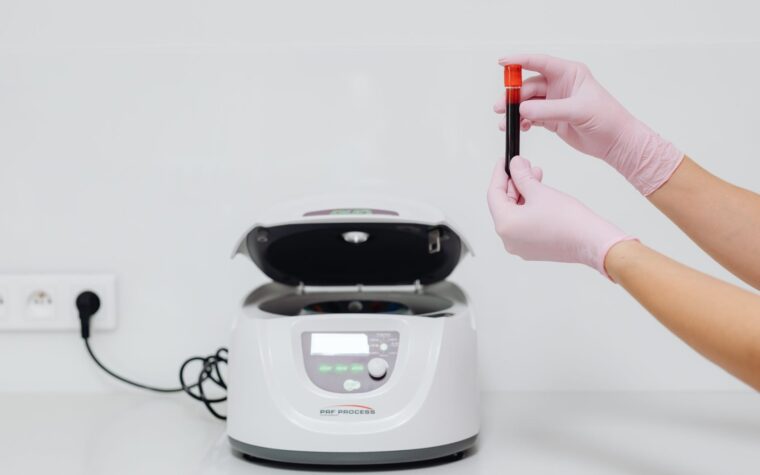
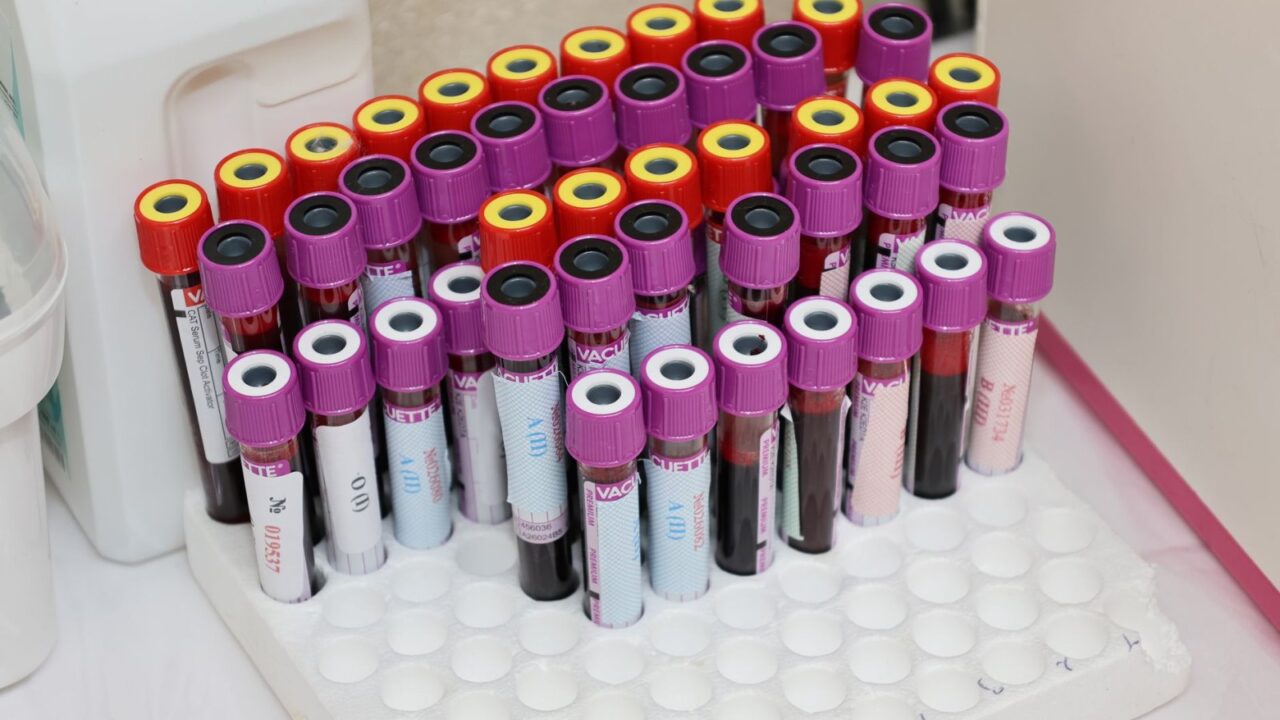
The omega-3 index test is usually done by collecting a blood sample, either from a vein in your arm or from a finger prick that you can do at home. The sample is sent to a specialized laboratory, where the fatty acid profile of the red blood cell membrane is analyzed using gas chromatography.
You do not need to fast for this test, and it can be done at any time of day. Some laboratories offer mail-in kits: you prick your finger, put a few drops of blood onto a provided card, and send it back. Results typically arrive within one to three weeks. The cost varies widely, from about $50 to over $100, and most insurance plans do not cover it as a routine test.
How should you prepare for the test?
Preparation for the omega-3 index is refreshingly simple because the marker is so stable. You do not need to fast, skip your supplement, or time the draw for the morning. In fact, there is a good argument for continuing your normal routine right up to the test, because the point is to capture your usual status, not an artificially cleaned-up version of it. If you take a fish oil capsule every day, keep taking it. If you eat fish twice a week, keep doing that. The one thing worth noting is that if you have recently started a supplement or made a big diet change, your result will reflect where you were, not where you are heading, so plan the timing around that.
For at-home finger-prick kits, the main variables are technique and shipping. Warm your hands under running water first to improve blood flow, prick the side of the fingertip rather than the pad, and let a full drop form rather than squeezing hard, which can dilute the sample with tissue fluid. Fill the collection card as instructed and mail it back promptly. Good kits use a dried blood spot method that is stable at room temperature for weeks, so a day or two in transit will not ruin the result.
What can affect the accuracy of your result?
A few things influence how much confidence you can place in a given number. The biggest is the laboratory method. The original standardized approach, known as the HS-Omega-3 Index, uses a specific, well-controlled analysis, and labs that follow it and take part in proficiency testing produce results you can compare over time. Less rigorous panels may use different reference ranges or reporting conventions, which makes it hard to line up two results from two providers. Sample handling matters as well: a card that gets very hot in a mailbox or sits for months before analysis can degrade. Finally, genuine biological factors such as your baseline diet, body size, and how efficiently you absorb fat all shape the number, which is why two people taking the same dose can land at different indexes.
What do the omega-3 index results mean?
The omega-3 index result is reported as a percentage. A value below 4% is considered low (high risk), 4% to 8% is intermediate, and 8% or above is high or optimal. These cutoff points come from population studies linking omega-3 levels to heart health, and they are the zones used by the original HS-Omega-3 Index method.
Large cohort studies have consistently found that people with an omega-3 index of 8% or higher tend to have a lower risk of dying from cardiovascular events than those at or below 4%. The intermediate range is associated with moderate risk, and many researchers suggest aiming for 8% or higher for general prevention.
It is important to note that the omega-3 index is not a diagnostic test for any disease. Rather, it is a risk marker, similar to cholesterol levels. A low result suggests that increasing intake of EPA and DHA may offer health benefits, while a high result indicates that you are likely already getting enough. One more caveat is worth keeping in mind: reference ranges can vary slightly between laboratories, so read your result against the range printed on your own report and treat 8% as a widely cited target rather than a hard universal line.
What does a low result (below 4%) mean?
A reading under 4% tells you that EPA and DHA make up a small fraction of your cell membranes, which is common in people who rarely eat oily fish and do not supplement. This is the range associated with the highest cardiovascular risk in population studies. It is not a diagnosis and it does not mean anything is wrong today, but it is a clear signal that there is easy room to improve. Most people in this band can move up substantially within a few months by adding fatty fish or a consistent supplement, and it is the group most likely to notice a meaningful change on a retest.
What does an intermediate result (4% to 8%) mean?
The intermediate zone is where a large share of people in Western countries land. It suggests you are getting some omega-3, perhaps from occasional fish or an inconsistent supplement, but not enough to reach the level linked with the lowest risk. If you are here and want to optimize, the fix is usually a matter of consistency and dose rather than a complete overhaul. Nudging your intake up and holding it steady for a few months typically carries the index toward the upper half of this range or into the optimal band.
What does an optimal result (8% or above) mean?
An index of 8% or higher means your tissue levels of EPA and DHA sit in the range associated with the most favorable cardiovascular outcomes in the research. If you land here, the goal is simply to maintain the habits that got you there. There is no strong evidence that pushing far above this level adds proportionally more benefit for most people, so an optimal result is usually a green light to keep doing what you are doing rather than a reason to escalate your dose.
Why does the omega-3 index matter for health?
The omega-3 index matters because it reflects your tissue levels of EPA and DHA, two fatty acids that play critical roles in cell membrane fluidity, inflammation regulation, and cardiovascular function. A growing body of evidence links a higher omega-3 index to lower risks of heart attack, sudden cardiac death, and, in some studies, improved cognitive function and reduced joint inflammation.
For example, the Cardiovascular Health Study found that older adults with the highest blood levels of long-chain omega-3s had roughly a 29% lower rate of new-onset atrial fibrillation than those with the lowest levels. Across pooled cohort analyses, people in the highest tier of omega-3 status are consistently associated with substantially lower rates of fatal cardiac events, even after adjusting for other risk factors.
Some research also suggests that omega-3 index testing can be used to monitor the effectiveness of dietary changes or supplementation. Because the test reflects long-term intake, it can show whether a person has actually increased their omega-3 status after modifying their diet or starting a supplement regimen. A single panel that reports your omega-3 index alongside other markers can be a practical starting point; our roundup of the best longevity supplements covers what the evidence supports if your level comes back low.
The heart, the brain, and inflammation
The reason omega-3 status shows up in so many areas of health is that EPA and DHA are not passive nutrients, they are active participants in how cells behave. In the cardiovascular system, higher levels are associated with more stable heart rhythm, lower triglycerides, and better function of the cells lining blood vessels. In the brain, DHA is a major structural fat, which is why omega-3 status has been studied in the context of memory and cognitive aging. And across the body, EPA feeds into the production of specialized molecules that help switch off inflammation once it has done its job. A chronically low omega-3 index means your cells have less of this raw material to draw on.
How the omega-3 index connects to your other markers
The omega-3 index is most useful when you read it alongside the rest of your numbers rather than in isolation. It pairs naturally with a lipid panel, since raising EPA and DHA intake often lowers triglycerides, and with an inflammation marker like high-sensitivity C-reactive protein, since the two tell related stories about how much silent inflammation you are carrying. Some reports also include the omega-6 to omega-3 ratio, which reflects the balance between the fatty acids that tend to promote inflammation and those that help resolve it. A low omega-3 index alongside high triglycerides and a raised inflammation marker is a more compelling reason to act than any single value on its own. This is exactly why many people prefer to run these markers together on one draw rather than chasing them one test at a time.
How can you improve your omega-3 index?
Improving your omega-3 index involves increasing your intake of the two long-chain omega-3 fatty acids EPA and DHA. The most effective dietary source is fatty fish such as salmon, mackerel, sardines, herring, and anchovies. Eating two to three servings of these fish per week can raise your omega-3 index significantly over the course of a few months.
If you do not eat fish, fish oil supplements or algal oil supplements (which are suitable for vegetarians and vegans) are an alternative. Most studies show that taking about 1 to 2 grams of combined EPA and DHA per day moves most people into the optimal range within roughly 12 to 16 weeks. Higher doses may be needed if you are starting from a very low baseline.
Plant sources like flaxseed, chia seeds, and walnuts contain alpha-linolenic acid (ALA), which the body can convert to EPA and DHA only in very small amounts. Therefore, relying on ALA alone is unlikely to raise the omega-3 index into the optimal range.
Read the label for EPA and DHA, not just fish oil
This is where most supplement shoppers go wrong. A capsule labeled 1,000 mg of fish oil does not contain 1,000 mg of the active omega-3s. The number that matters is the combined EPA plus DHA content listed on the supplement facts panel, which is often only 300 mg to 600 mg per capsule in standard products. If you are aiming for 1 to 2 grams of EPA and DHA per day, that can mean taking two, three, or more capsules of a low-concentration product, or switching to a concentrated formula that delivers more active omega-3 per pill. Always add up the EPA and DHA lines, not the total oil weight.
Absorption also improves when you take fish oil with a meal that contains some fat, because omega-3s are fat-soluble and the presence of dietary fat triggers the digestive enzymes that help you absorb them. Taking your capsule on an empty stomach is one common reason people see less improvement than expected. Splitting the dose across two meals can further reduce the fishy aftertaste that leads some people to quit.
Fish oil, algal oil, or prescription omega-3?
Standard fish oil is the most common and least expensive route, and for most people it works perfectly well. Algal oil is made from marine algae, the same organisms fish get their omega-3s from, and it is the best option for vegetarians, vegans, and anyone who dislikes fish burps, since it tends to be gentler. Prescription omega-3 products exist too, but they are generally reserved for people with very high triglycerides under a doctor’s supervision, not for routinely nudging an omega-3 index. The quiet truth is that the source matters far less than the dose of EPA and DHA and, above all, whether you take it consistently.
Can you take too much omega-3?
Omega-3s are well tolerated for most people, but more is not automatically better. At the doses used to reach an optimal index, side effects are usually limited to fishy burps, mild stomach upset, or loose stools, all of which often ease when you take the supplement with food or split the dose. Very high intakes can have a mild blood-thinning effect, which is worth discussing with your doctor if you take anticoagulant medication or have a bleeding disorder, or if you have surgery scheduled. For the vast majority of people aiming at the standard 8% target, the doses involved are modest and there is little reason to push far beyond them.
A realistic example of using the test
Picture someone who eats fish maybe once a month and has been taking a single low-dose fish oil capsule most mornings. They run an omega-3 index out of curiosity and it comes back at 4.5%, in the lower part of the intermediate range. That number reframes the problem. It is not that they are doing nothing, it is that their dose is too small to reach the target. They add up the EPA and DHA on their current capsule and realize it delivers only about 300 mg combined. They switch to a concentrated product providing roughly 1.5 grams of EPA and DHA per day, take it with dinner, and add a serving of salmon or sardines once or twice a week.
They do not retest a few weeks later, because they understand the index moves slowly. Instead they wait about four months, long enough for their red blood cells to turn over on the new routine, and retest. This time the result comes back in the optimal range above 8%. That before-and-after comparison is the real value of the test: it turns a vague intention to eat healthier into a measured, verified change.
When should you retest your omega-3 index?
Because red blood cells take roughly 120 days to turn over, there is no point retesting quickly. If you have changed your diet or supplement routine, wait about three to four months before you draw again, so the new habit has had time to fully rebuild your cell membranes. Testing sooner will show a partial, misleading picture and tempt you to change course before you have real data. Once you have confirmed an optimal level and settled into a steady routine, an annual check is plenty for most people, ideally run alongside your other yearly markers so you can see the whole trend in one place.
The timing rule cuts both ways. If a retest after four months of diligent supplementation still shows a low index, that is meaningful information, not a reason to panic. It may point to a dose that is still too low, poor absorption, or a product with less EPA and DHA than the label implied. That is a good moment to recheck your math on the supplement facts panel or to talk it through with a clinician.
Frequently Asked Questions
Who should consider getting an omega-3 index test?
The omega-3 index test is not recommended for everyone by major health organizations, but it can be useful for people with known or suspected low intake of omega-3s, those with a family history of heart disease, or individuals who take a supplement and want to verify they are reaching therapeutic levels. Some doctors also order it for patients with high triglycerides or inflammatory conditions. Because the test is not widely covered by insurance, you may need to pay out of pocket. Discuss with your healthcare provider whether the test would be helpful for your personal health goals.
Is the omega-3 index test accurate and reliable?
Yes, the omega-3 index is considered a well-validated measure. It has been standardized by laboratories that participate in proficiency testing programs. Because the test uses red blood cell membranes, it is less influenced by day-to-day variations in diet compared to plasma fatty acid levels. However, accuracy depends on proper sample handling and the specific lab used, so it is best to choose a lab that participates in quality assurance programs. Repeating the test after a few months of dietary changes can give you a reliable before-and-after comparison.
Can I take an omega-3 index test at home?
Yes, a number of companies offer at-home omega-3 index test kits. These typically involve pricking your finger and putting a small amount of blood onto a filter paper card. You then mail the card to the company’s lab. The process is simple and can be done without a doctor’s order in most states. However, not all at-home tests are equally rigorous. Look for tests that specify they use the HS-Omega-3 Index methodology (the original standardized method) and that are analyzed by a certified lab. Results from at-home kits generally compare well with those from venipuncture blood draws.
How long does it take to raise your omega-3 index?
Most people who take about 1 to 2 grams of combined EPA and DHA per day move into the optimal range within roughly 12 to 16 weeks. The speed depends on where you start, your dose, how well you absorb fat, and your body size. Someone beginning from a very low index may need a higher dose or a bit more time, while someone already in the intermediate range may reach the target sooner. Because the change is gradual, patience and consistency matter more than any single big effort.
Does the omega-3 index replace a cholesterol test?
No. The omega-3 index and a cholesterol or lipid panel measure different things and answer different questions. Cholesterol testing tells you about the fats circulating in your blood that relate to plaque buildup, while the omega-3 index tells you about the omega-3 content of your cell membranes. They complement each other, which is why both often appear on a comprehensive panel. Improving your omega-3 status can help lower triglycerides, but it does not stand in for the full lipid picture your doctor uses to assess cardiovascular risk.
Can children or pregnant women take this test?
The omega-3 index can be measured at any age, and DHA in particular is important during pregnancy for fetal brain and eye development. That said, testing decisions for children and during pregnancy should be guided by a healthcare provider rather than made on your own, since dosing and targets may differ and there are other priorities to balance. If you are pregnant or considering testing a child, raise it with your doctor or midwife so the result is interpreted in the right context.
This article is for general information and is not medical advice. See our Medical Disclaimer.