Biomarkers for esophageal cancer are evolving rapidly, providing doctors with new tools to detect the disease earlier and tailor treatments more effectively. According to a recent report from MedPage Today, researchers are making progress in identifying specific biological signals that could lead to less invasive screening methods and better outcomes for patients. These developments are particularly important because esophageal cancer is often diagnosed at a late stage when treatment options are limited.
Key Takeaways
- New biomarkers, including circulating tumor DNA and specific proteins, are being studied for esophageal cancer detection.
- Liquid biopsies offer a less invasive alternative to traditional tissue biopsies for monitoring disease.
- Biomarker research aims to identify high-risk individuals and catch cancer at earlier, more treatable stages.
- Combining multiple biomarkers may improve accuracy compared to using a single marker.
- Ongoing clinical trials are testing these biomarkers in real-world settings to validate their effectiveness.
What Are Esophageal Cancer Biomarkers?
Biomarkers are measurable substances in the body that indicate the presence of a disease. For esophageal cancer, these can include proteins, genetic mutations, or other molecules found in blood, tissue, or other bodily fluids. The goal is to use these markers to detect cancer early, predict how aggressive it might be, and determine which treatments are likely to work best. Traditional diagnosis often relies on endoscopy and tissue biopsy, which are invasive and not suitable for widespread screening.
Recent Advances in Biomarker Research
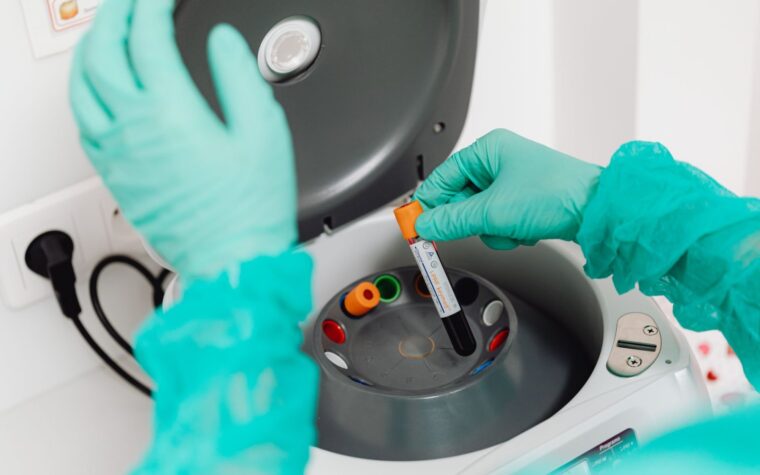
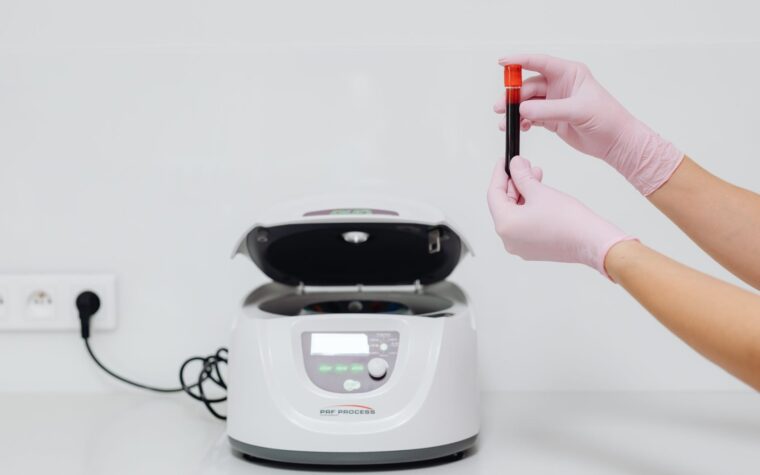
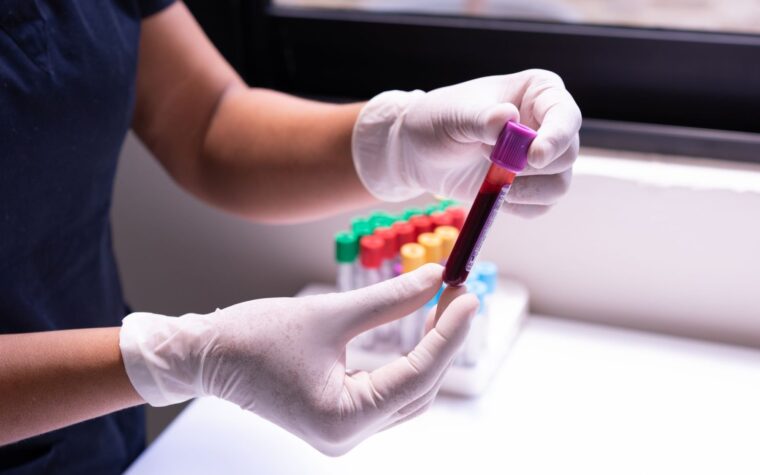
The MedPage Today report highlights several promising areas of research. One major focus is on circulating tumor DNA, which are fragments of tumor DNA that enter the bloodstream. A simple blood test, known as a liquid biopsy, can detect these fragments. This approach is less invasive than a tissue biopsy and can be repeated over time to monitor how the cancer responds to treatment. Another area of interest is the identification of specific proteins or microRNAs that are released by esophageal tumors. Researchers are also exploring the role of immune-related biomarkers, which could help predict whether a patient will benefit from immunotherapy.
Challenges in Developing Effective Biomarkers
Despite the progress, several challenges remain. Esophageal cancer is relatively rare compared to other cancers, making it difficult to gather large enough study populations. The disease also has different subtypes, such as adenocarcinoma and squamous cell carcinoma, which may require different biomarkers. Additionally, many potential biomarkers are not specific enough to esophageal cancer, meaning they can also be elevated in other conditions. Researchers are working to combine multiple biomarkers into panels to improve accuracy and reduce false positives.
Implications for Early Detection and Treatment
If validated, these biomarkers could transform how esophageal cancer is managed. For example, a blood test could be used to screen high-risk individuals, such as those with chronic acid reflux or Barrett’s esophagus, a condition that increases the risk of esophageal cancer. Earlier detection would allow for treatment when the cancer is still localized and more curable. For patients already diagnosed, biomarkers could help doctors choose the most effective therapy and monitor for recurrence without repeated invasive procedures. The MedPage Today report notes that several biomarkers are now being evaluated in clinical trials, and results are expected in the coming years.
Frequently Asked Questions
What is a liquid biopsy for esophageal cancer?
A liquid biopsy is a blood test that detects tiny fragments of tumor DNA or other cancer-related molecules circulating in the bloodstream. It offers a less invasive alternative to traditional tissue biopsies and can be used to monitor disease progression or response to treatment over time.
Are esophageal cancer biomarkers available for routine use?
Most esophageal cancer biomarkers are still in the research phase and are not yet approved for routine clinical use. However, some are being used in specialized cancer centers or clinical trials. Patients interested in biomarker testing should discuss options with their oncologist.
Who should consider biomarker testing for esophageal cancer?
Biomarker testing is most relevant for individuals at high risk for esophageal cancer, such as those with Barrett’s esophagus, long-standing acid reflux, or a family history of the disease. It is also used for patients already diagnosed to help guide treatment decisions.
This is an original report by Vital Signs Today, informed by reporting from Google News. Read the original source.
This article is for information only and is not medical advice. See our Medical Disclaimer.