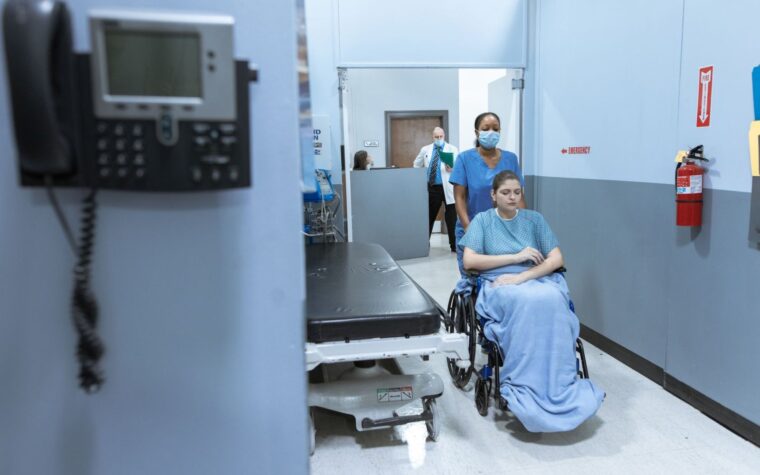
The World Health Organization (WHO) chief recently addressed major global health emergencies that require urgent international attention. These threats include the ongoing effects of climate change on health, persistent infectious disease outbreaks, and the need to strengthen health systems in vulnerable regions. The WHO leader emphasized that collective action is essential to address these challenges.
Key Takeaways
- Climate change is a significant and growing threat to global health, with effects such as extreme heat and changing disease patterns.
- Infectious disease outbreaks, including mpox and polio, remain active emergencies that require continued vigilance.
- Strengthening health systems, especially in low-income countries, is critical for pandemic preparedness and routine care.
- Conflict and displacement continue to worsen health outcomes in several regions.
- International cooperation and funding are needed to address these interconnected health crises.
Climate Change as a Health Emergency
The WHO chief identified climate change as one of the most pressing global health emergencies. Rising temperatures, extreme weather events, and changing patterns of infectious diseases are directly affecting human health. The report notes that heat-related deaths are increasing, and vector-borne diseases such as dengue and malaria are spreading to new areas. Addressing climate change requires coordinated action across health, environmental, and policy sectors.
Infectious Disease Outbreaks and Ongoing Threats
Several infectious disease outbreaks remain active global health emergencies. The WHO continues to monitor mpox, polio, and other diseases that pose risks to public health. The report highlights that despite progress in some areas, such as the near-eradication of polio, challenges remain due to conflict, vaccine hesitancy, and weak health infrastructure. The WHO stressed that surveillance and rapid response are essential to contain outbreaks before they become widespread.
Strengthening Health Systems Worldwide
A key theme of the WHO chief’s address was the need to strengthen health systems, particularly in low- and middle-income countries. Many health emergencies are worsened by fragile health systems that lack adequate funding, trained staff, and essential medicines. The report calls for increased investment in primary healthcare, disease surveillance, and emergency preparedness. Stronger health systems can better respond to both routine health needs and sudden crises.
Conflict and Displacement
Conflict and forced displacement continue to create severe health emergencies. People living in war zones often lack access to clean water, food, and medical care. The WHO chief highlighted the health impacts of conflicts in places such as Gaza, Sudan, and Ukraine. These situations increase the risk of disease outbreaks, malnutrition, and mental health problems. The WHO calls for humanitarian access and protection of health workers in conflict areas.
Need for International Cooperation
The WHO chief emphasized that no single country can address global health emergencies alone. International cooperation, funding, and information sharing are essential. The report urges governments to prioritize health in their budgets and policies. It also calls for equitable access to vaccines, treatments, and diagnostics, especially for lower-income nations. The WHO continues to work with member states and partners to coordinate responses to these emergencies.
Frequently Asked Questions
What are the main global health emergencies identified by the WHO?
The WHO chief highlighted climate change, infectious disease outbreaks such as mpox and polio, weak health systems, and health impacts from conflict and displacement as major global health emergencies requiring urgent action.
How does climate change affect global health?
Climate change affects health through extreme heat, more frequent natural disasters, changes in disease patterns, and impacts on food and water security. These factors increase the risk of heat-related illnesses, infectious diseases, and malnutrition.
What can be done to address these health emergencies?
Addressing these emergencies requires strengthening health systems, increasing funding for public health, improving disease surveillance, ensuring equitable access to medical tools, and fostering international cooperation. The WHO calls for coordinated action across all sectors.
This is an original report by Vital Signs Today, informed by reporting from Google News. Read the original source.
This article is for information only and is not medical advice. See our Medical Disclaimer.