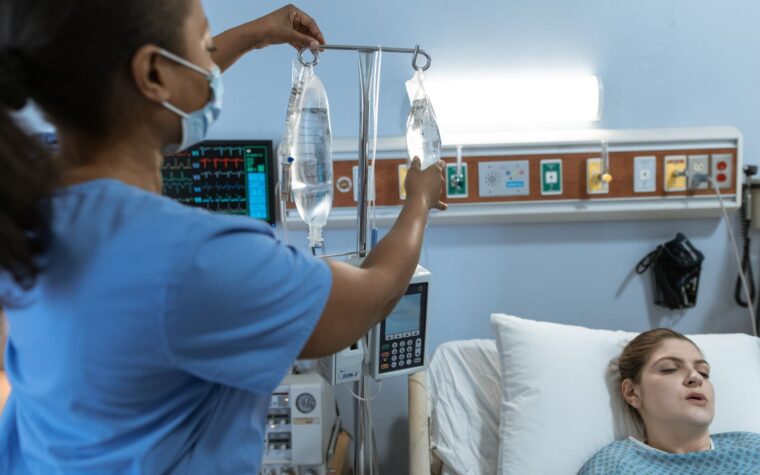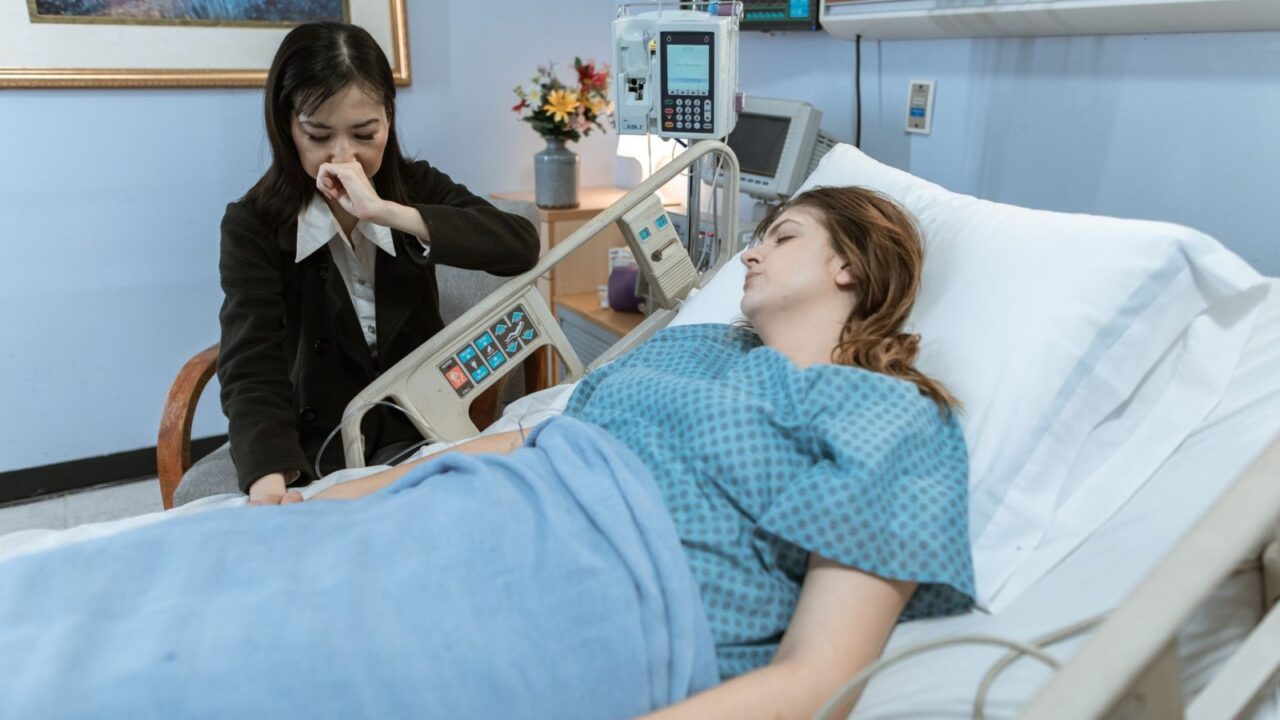
Vandalia Health has announced an expansion of its free naloxone distribution program across its northern region hospitals. The effort makes the overdose reversal medication available at no cost to anyone who visits the emergency department or walks into participating hospital lobbies. According to the original report from Mon Health, the goal is to reduce opioid overdose deaths by removing cost and access barriers.
Key Takeaways
- Free naloxone is now offered at multiple Vandalia Health hospitals in the northern region.
- The medication is available to patients, visitors, and community members without a prescription.
- Naloxone can temporarily reverse the effects of an opioid overdose when administered quickly.
- The expansion builds on previous harm reduction efforts by the health system.
What the Expansion Includes
The new policy applies to emergency departments and other public entrances at Vandalia Health’s northern region locations. Health system officials said that anyone who requests naloxone will receive a kit containing the nasal spray version of the drug, often sold under the brand name Narcan. The program does not require an appointment, insurance, or identification. It is designed to help individuals who may be at risk of witnessing an overdose outside of a hospital setting.
According to the announcement, the initiative covers hospitals such as Mon Health Medical Center and other facilities in the network. Vandalia Health representatives described the effort as part of a broader strategy to support community health and reduce the stigma around seeking overdose prevention tools.
Why Free Naloxone Matters
Naloxone is a medication that can rapidly reverse an opioid overdose by blocking opioid receptors in the brain. It has no potential for abuse and is considered safe even if given to someone who is not experiencing an overdose. Public health experts widely recommend making naloxone available without a prescription to reduce fatalities from accidental overdoses.
By offering naloxone for free, Vandalia Health aims to reach people who might not otherwise obtain it due to cost or lack of access to a pharmacy. The health system noted that many overdoses occur in homes or public spaces, and having naloxone nearby can save a life while waiting for emergency responders to arrive.
How to Obtain Naloxone at These Hospitals
Individuals can pick up a free naloxone kit by visiting the emergency department or a designated distribution point inside any participating Vandalia Health hospital in the northern region. Staff members will provide a brief overview of how to use the medication and where to seek follow-up care. The program does not require individuals to explain why they want the kit.
Hospital leaders encouraged community members to carry naloxone if they or someone they know uses opioids, including prescription pain relievers. They also stressed that naloxone is just one part of a comprehensive approach to substance use disorder, which should include treatment and recovery support.
Frequently Asked Questions
Who can get free naloxone from Vandalia Health?
Anyone can receive a free naloxone kit at participating northern region hospitals. There is no requirement to be a patient or show identification. The program is open to all community members, including visitors, family members, and friends of patients.
What form of naloxone is provided?
The health system distributes naloxone nasal spray, which is easy to administer and does not require needles. Each kit typically contains two doses, along with instructions and a face shield to help protect the person giving the medication. The nasal spray is the same formulation approved for over the counter use at pharmacies.
Does having naloxone encourage drug use?
Public health research consistently shows that access to naloxone does not increase drug use or risky behavior. Instead, it saves lives by providing a critical tool during an overdose emergency. Health officials at Vandalia Health emphasized that naloxone availability is a harm reduction measure, not a substitute for treatment or prevention efforts.
This is an original report by Vital Signs Today, informed by reporting from Google News. Read the original source.
This article is for information only and is not medical advice. See our Medical Disclaimer.