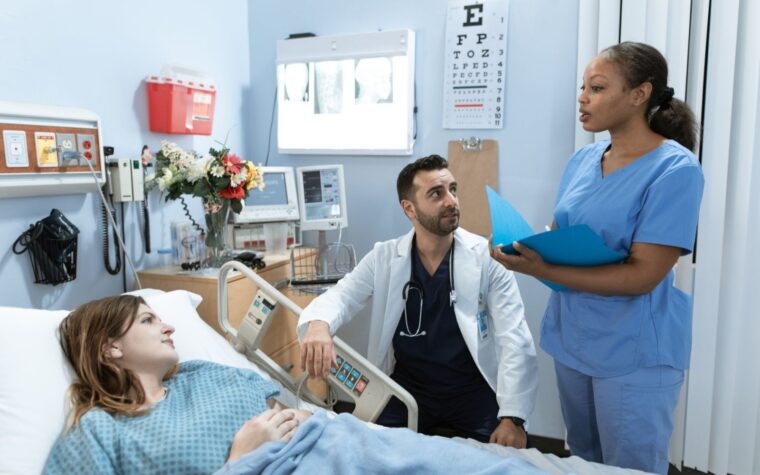
Stony Brook Medicine has received national recognition for its commitment to providing high-quality stroke and cardiac care. The honors highlight the hospital’s dedication to advanced treatment protocols and positive patient outcomes, according to a recent announcement.
- The hospital earned awards from national organizations for stroke and cardiac care quality.
- Recognition reflects adherence to evidence-based treatment guidelines and rapid response protocols.
- Stony Brook Medicine continues to invest in specialized services for stroke and heart patients.
What the Recognition Means
The recognition comes from leading national healthcare quality organizations that evaluate hospitals based on patient outcomes, treatment timeliness, and adherence to clinical guidelines. For stroke care, this often includes measures such as door-to-needle time for clot-busting drugs and use of advanced imaging. For cardiac care, metrics may cover heart attack treatment, including rapid angioplasty and medication protocols.
Stony Brook Medicine’s achievements indicate that its stroke and cardiac teams consistently meet or exceed these benchmarks. The hospital’s programs are designed to deliver coordinated, rapid care for two of the most time-sensitive medical emergencies.
Stroke Care Excellence
Stony Brook Medicine operates a comprehensive stroke center, which is a designation for hospitals that provide the highest level of stroke care. This includes 24/7 access to neurologists, neurosurgeons, and advanced imaging. The recent national recognition underscores the center’s success in reducing disability and saving lives through swift intervention.
Key aspects of the stroke program include rapid assessment in the emergency department, use of telemedicine for remote consultations, and rehabilitation services that help patients recover function. The hospital’s performance in these areas contributed to the award.
Cardiac Care Achievements
On the cardiac side, Stony Brook Medicine’s heart program focuses on preventing and treating heart attacks, heart failure, and other cardiovascular conditions. The hospital has invested in specialized catheterization labs, advanced surgical suites, and a team of cardiologists and cardiac surgeons.
The national recognition for cardiac care reflects the hospital’s ability to deliver timely interventions, such as angioplasty to open blocked arteries, and to manage complex cases. Patient satisfaction and survival rates are also key factors in these evaluations.
Broader Impact on Patient Care
These honors matter for patients because they signal that Stony Brook Medicine has systems in place to handle emergencies effectively. For residents of Long Island and the surrounding region, this means access to high-level care close to home, which can be critical during a stroke or heart attack.
The hospital’s leadership has stated that the recognition reflects the hard work of its clinical teams. Continued investment in training, technology, and quality improvement will remain a priority, according to the original report.
Frequently Asked Questions
What organizations gave the recognition to Stony Brook Medicine?
The original announcement did not specify the exact organizations. However, national stroke and cardiac care awards often come from groups such as the American Heart Association, the American Stroke Association, and The Joint Commission. These bodies evaluate hospitals based on strict quality measures.
How does this recognition affect patients?
For patients, the recognition means that Stony Brook Medicine has demonstrated a commitment to high standards in stroke and cardiac care. This can translate to faster treatment, better outcomes, and a lower risk of complications for those experiencing a stroke or heart attack.
What should someone do if they suspect a stroke or heart attack?
If you suspect a stroke or heart attack, call 911 immediately. Time is critical. For stroke, remember the acronym FAST: Face drooping, Arm weakness, Speech difficulty, Time to call. For heart attack, symptoms may include chest pain, shortness of breath, and nausea. Do not drive yourself to the hospital.
This is an original report by Vital Signs Today, informed by reporting from Google News. Read the original source.
This article is for information only and is not medical advice. See our Medical Disclaimer.