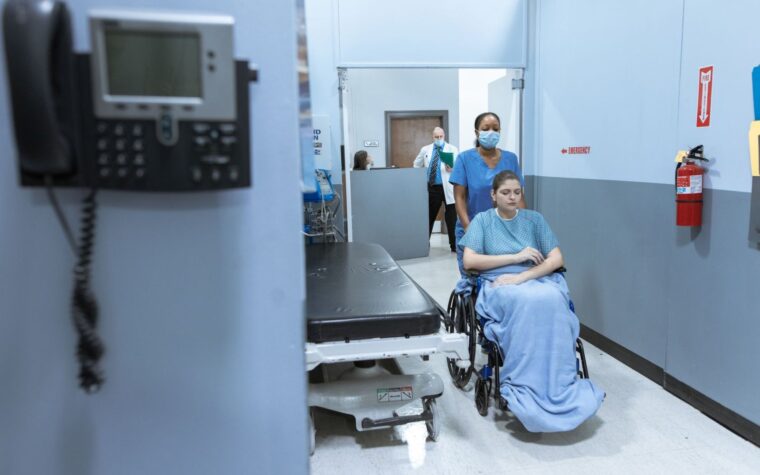
Patient feedback plays a critical role in shaping healthcare services. At Munson Army Health Center, patient comments and suggestions are used to improve care quality, safety, and overall patient experience. According to a recent report from the Defense Visual Information Distribution Service (DVIDS), the health center actively collects and acts on feedback to better serve its military community.
Key Takeaways
- Patient feedback helps identify areas for improvement in care and service.
- Munson Army Health Center uses surveys and direct input to gather patient opinions.
- Feedback leads to changes in appointment scheduling, communication, and facility comfort.
- Engaging patients in care decisions builds trust and improves outcomes.
The Role of Patient Feedback in Healthcare
Patient feedback is a cornerstone of modern healthcare quality improvement. It provides direct insight into what works well and what needs adjustment. Hospitals and clinics that regularly collect and analyze patient opinions can address problems quickly, enhance patient safety, and tailor services to meet real needs. The Munson Army Health Center example shows how even a military health facility can benefit from listening to its patients.
According to the DVIDS report, the health center uses multiple channels to gather feedback, including satisfaction surveys, suggestion boxes, and direct conversations with staff. This information is reviewed regularly by leadership and used to make concrete changes. For instance, patient comments led to improvements in appointment availability and clearer communication about wait times.
How Munson Army Health Center Uses Feedback
The health center treats patient feedback as a continuous improvement tool. Staff are trained to listen to concerns and report them through formal channels. Leadership then prioritizes issues based on frequency and impact. The DVIDS report notes that changes have included updating signage, adjusting clinic hours, and enhancing the comfort of waiting areas.
One key practice is closing the feedback loop. When a patient makes a suggestion, the health center follows up to explain what action was taken. This transparency encourages more patients to share their thoughts and reinforces trust in the system.
Benefits of Patient Feedback for Care Quality
Collecting and acting on patient feedback offers several benefits. It helps identify safety risks before they cause harm. It also improves patient satisfaction, which is linked to better adherence to treatment plans and health outcomes. For military health centers like Munson Army Health Center, feedback also supports the mission of keeping service members and their families healthy and ready.
Patient feedback can also reveal gaps in communication or cultural sensitivity. By addressing these issues, facilities can provide more equitable care. The DVIDS report emphasizes that the health center values all input, from compliments to complaints, as each piece of feedback offers a learning opportunity.
Challenges and Considerations
While patient feedback is valuable, it comes with challenges. Not all feedback is actionable, and some may reflect isolated incidents. Health centers must analyze data carefully to distinguish between one-time issues and systemic problems. Additionally, staff need training to handle negative feedback constructively without becoming defensive.
Munson Army Health Center addresses these challenges by using standardized survey tools and regular review meetings. Leadership ensures that feedback is discussed openly and that changes are tracked over time. This structured approach helps turn patient voices into meaningful improvements.
Frequently Asked Questions
How does patient feedback improve care?
Patient feedback highlights what is working and what needs change. When clinics act on this input, they can adjust processes, improve communication, and address safety concerns. At Munson Army Health Center, patient comments have led to better appointment scheduling and clearer information for patients.
What methods are used to collect patient feedback?
Common methods include satisfaction surveys, suggestion boxes, comment cards, and direct conversations with staff. Some facilities also use online portals or mobile apps. The DVIDS report indicates that Munson Army Health Center uses a combination of these tools to gather input from a wide range of patients.
Can patients trust that their feedback is acted upon?
Yes, when health centers have a clear process for reviewing and responding to feedback. Munson Army Health Center demonstrates this by closing the feedback loop: they inform patients about changes made based on their input. This transparency builds trust and encourages ongoing participation.
For more details, refer to the original report published by DVIDS on patient feedback at Munson Army Health Center.
This is an original report by Vital Signs Today, informed by reporting from Google News. Read the original source.
This article is for information only and is not medical advice. See our Medical Disclaimer.