The Washington Post recently published a first-person account of a patient’s journey through a clinical trial for an experimental cancer treatment that experts believe could transform oncology. The report highlights both the hope and the challenges of participating in a cutting-edge therapy still under investigation. According to the article, the trial focuses on a novel approach that harnesses the body’s immune system to fight tumors.
Key Takeaways
- The trial tested an immunotherapy that uses a patient’s own immune cells to target cancer cells.
- Participants faced a demanding schedule of hospital visits and monitoring, along with side effects from the treatment.
- Early results from the study have shown promise, with some patients experiencing significant tumor reduction.
- The patient’s story underscores the emotional and physical toll of experimental therapy, as well as the importance of informed consent and support systems.
The Patient’s Journey
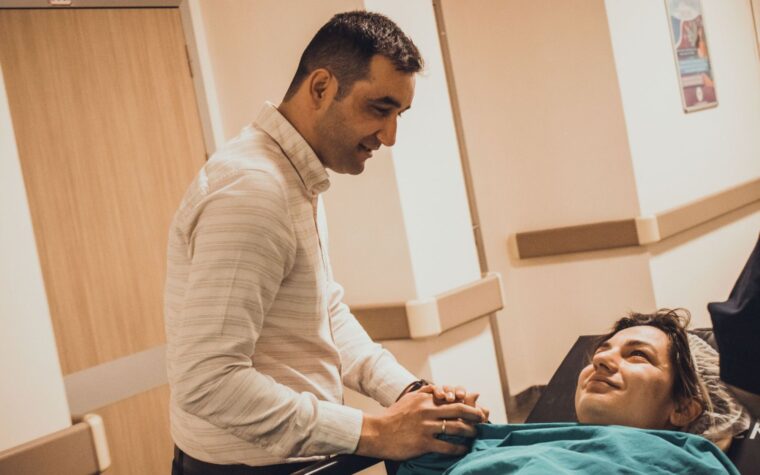
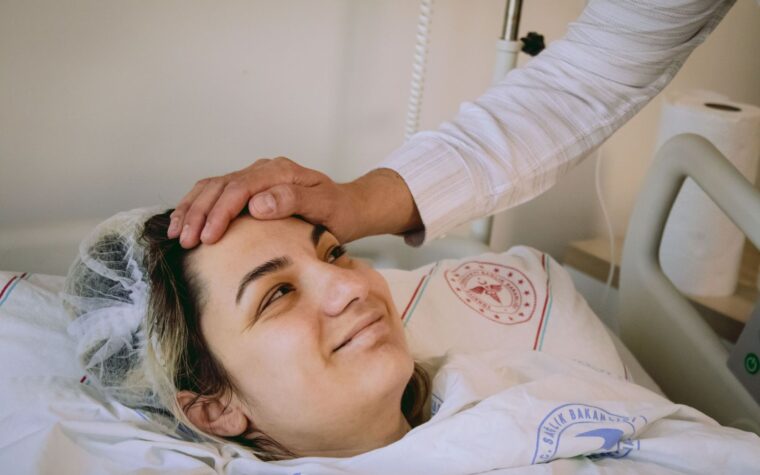
The Washington Post article follows a patient who enrolled in the trial after standard treatments failed. The patient described a mix of cautious optimism and anxiety about the unknown. Each treatment cycle required multiple days at the hospital, with blood draws, infusions, and frequent scans to track progress. The report notes that the patient felt supported by the medical team but also struggled with uncertainty about whether the therapy would work.
The Science Behind the Trial
According to the report, the experimental treatment belongs to a class of immunotherapies known as adoptive cell transfer. In this approach, doctors extract immune cells from the patient, modify them in a lab to better recognize cancer, and then infuse them back into the body. The goal is to equip the immune system with a more powerful weapon against tumors. While similar techniques have been approved for some blood cancers, this trial targets solid tumors, which are harder to treat.
Challenges and Side Effects
The patient experienced side effects common to such therapies, including fatigue, fever, and inflammation. The article emphasizes that managing these reactions required close coordination with the care team. Some participants had to pause treatment due to severe side effects. The report also discusses the logistical burden: traveling to the trial site, taking time off work, and coping with the emotional strain of waiting for results.
Implications for Future Treatment
Researchers involved in the trial believe that if the approach proves safe and effective, it could change how certain cancers are treated. The Washington Post notes that the trial is still recruiting and that long-term data are needed. However, the patient’s story serves as a reminder that behind every clinical trial statistic is a real person hoping for a breakthrough. The report concludes that such trials are essential steps toward more personalized and durable cancer therapies.
Frequently Asked Questions
What type of cancer treatment was being tested in the trial?
The Washington Post report focused on an experimental immunotherapy that uses a patient’s own immune cells, modified to better recognize and attack cancer cells. This approach is part of a broader field called adoptive cell transfer, which aims to boost the body’s natural defenses against tumors.
How did the patient describe the trial experience?
The patient described a mix of hope and anxiety, with frequent hospital visits for infusions, scans, and monitoring. The article highlighted the emotional challenge of living with uncertainty while undergoing an intensive treatment schedule that required significant time and energy.
What were the early results of the trial?
According to the report, some participants in the trial saw significant tumor shrinkage, but the study is still ongoing and not yet conclusive. Researchers caution that more data are needed to determine the treatment’s long-term safety and effectiveness across a larger group of patients.
This is an original report by Vital Signs Today, informed by reporting from Google News. Read the original source.
This article is for information only and is not medical advice. See our Medical Disclaimer.