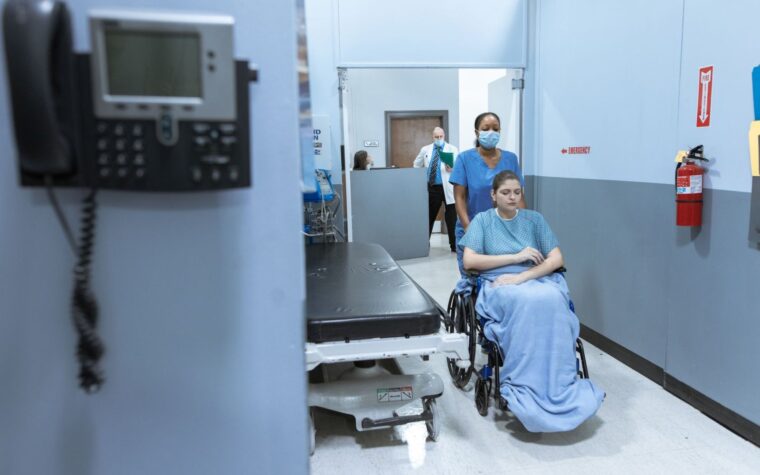
A woman suffered from severe pelvic pain for decades and visited more than 100 doctors before a single question from a new physician finally led to a correct diagnosis. The question, which asked about a history of trauma, uncovered a root cause that had been missed for years. This case, reported by The Washington Post, illustrates how routine medical histories can overlook critical factors that contribute to chronic pain.
Key Takeaways
- Chronic pelvic pain can have complex causes that are not always visible on standard tests.
- Asking about past trauma or abuse can be a crucial but often missed step in diagnosis.
- Patients may need to see many specialists before finding one who asks the right questions.
- Conditions like endometriosis and pelvic floor dysfunction can mimic each other.
- A multidisciplinary approach, including mental health support, may be needed for full recovery.
The Decades-Long Search for Answers
According to the Washington Post report, the woman began experiencing pelvic pain in her teenage years. Over the following decades, she consulted more than 100 doctors, including gynecologists, gastroenterologists, and pain specialists. She underwent numerous tests, surgeries, and treatments, but none provided lasting relief. Many doctors dismissed her symptoms or attributed them to stress.
The patient was eventually diagnosed with endometriosis, a condition where tissue similar to the uterine lining grows outside the uterus. However, even after treatment for endometriosis, her pain persisted. This is a common pattern: endometriosis can coexist with other conditions, and treating one does not always resolve all symptoms.
The Question That Changed Everything
During a visit with a new physician, the doctor asked a simple but direct question: Had she ever experienced sexual abuse or trauma? The woman answered yes. This disclosure opened the door to a diagnosis of pelvic floor dysfunction, a condition where the muscles of the pelvic floor become chronically tight and painful, often as a result of past trauma. The Washington Post report notes that this connection is well documented in medical literature but is rarely asked about in routine appointments.
Pelvic floor dysfunction can cause symptoms that mimic endometriosis, including chronic pelvic pain, pain during intercourse, and urinary issues. Once the correct diagnosis was made, the woman began physical therapy focused on relaxing and retraining the pelvic floor muscles. She also received counseling to address the psychological effects of the trauma. Her pain gradually improved.
Why Trauma Is Often Overlooked
Medical experts quoted in the Washington Post article explain that many doctors are not trained to ask about trauma, or they feel uncomfortable doing so. Patients may also be reluctant to bring up the topic unless directly asked. This gap in communication can lead to years of unnecessary suffering and ineffective treatments. The report emphasizes that trauma-informed care, which involves routinely screening for past abuse, can lead to faster and more accurate diagnoses for chronic pain conditions.
Lessons for Patients and Doctors
For patients with unexplained pelvic pain, the story offers a powerful lesson: do not be afraid to share your full history, including any past trauma, with your healthcare provider. For doctors, the case underscores the importance of asking about trauma as a standard part of the medical history, especially for patients with chronic pain that does not respond to typical treatments. The Washington Post report suggests that a simple question can save years of suffering and countless medical visits.
Frequently Asked Questions
What is pelvic floor dysfunction?
Pelvic floor dysfunction is a condition where the muscles of the pelvic floor are too tight, weak, or uncoordinated. It can cause chronic pelvic pain, pain during sex, urinary urgency, and constipation. It is often linked to past trauma, childbirth, or surgery.
How is pelvic floor dysfunction diagnosed?
Diagnosis typically involves a physical exam by a specialist, such as a pelvic floor physical therapist or a urogynecologist. The doctor may assess muscle tension, trigger points, and coordination. A detailed patient history, including questions about trauma, is also essential.
Can endometriosis and pelvic floor dysfunction occur together?
Yes, they can coexist. Endometriosis causes inflammation and scarring, which can lead to pelvic floor muscle tension. Treating endometriosis alone may not resolve the muscle dysfunction. A combined approach that addresses both conditions is often needed for full pain relief.
This is an original report by Vital Signs Today, informed by reporting from Google News. Read the original source.
This article is for information only and is not medical advice. See our Medical Disclaimer.