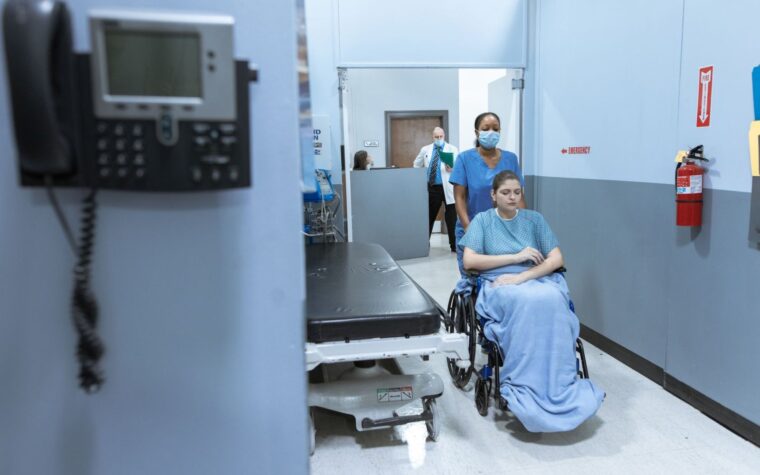
The DIVINE study database, which includes detailed information from more than 5,800 patients hospitalized with COVID-19, has been released to the research community. The database was created by the Biostatistics Unit at the Germans Trias i Pujol Research Institute (IGTP) in collaboration with several Catalan health care and research institutions. It was published in the journal Scientific Data, which specializes in sharing well-documented datasets to promote accessibility and reusability.
Key takeaways
- The database contains clinical data from over 5,800 patients hospitalized with COVID-19 in Catalonia, Spain.
- It was developed by IGTP and partner institutions including hospitals and research centers.
- The dataset is published in Scientific Data, a peer-reviewed journal focused on data sharing.
- Researchers worldwide can access the data to study treatments, outcomes, and disease patterns.
About the DIVINE study database
The DIVINE study (Data Integration for COVID-19 in Northern Spain) aimed to collect standardized clinical information from patients admitted to hospitals in Catalonia during the pandemic. The database includes demographics, pre-existing conditions, symptoms, laboratory results, treatments, and outcomes such as intensive care unit admission and survival. According to the original report on Medical Xpress, the team ensured the data were cleaned and de-identified to protect patient privacy while retaining scientific value. The Biostatistics Unit at IGTP led the effort to harmonize data from multiple institutions.
Why open access data matters
Sharing clinical datasets allows independent researchers to verify findings, combine data from different populations, and ask new questions about COVID-19. The pandemic highlighted the need for rapid data sharing to identify risk factors and effective treatments. The DIVINE database, now openly available, can support studies on long COVID, vaccine effectiveness, and disparities in outcomes. By making the database accessible through Scientific Data, the team follows best practices for documentation and metadata, which helps other scientists understand and use the data appropriately.
How researchers can access the data
The database is available for download from the Scientific Data website after agreeing to a data use agreement that restricts re-identification and requires citation. The publication also includes a detailed description of the variables and data collection procedures. Researchers interested in using the database should review the accompanying documentation to ensure they understand the limitations and context of the data. The release is part of a broader trend toward open science in infectious disease research.
Frequently Asked Questions
What is the DIVINE study database?
It is a collection of clinical data from more than 5,800 patients hospitalized with COVID-19, including demographics, comorbidities, treatments, and outcomes. The database was assembled by the Biostatistics Unit at IGTP and collaborators from several Catalan health care and research institutions.
Who can access the database?
The database is publicly available to researchers worldwide through the journal Scientific Data. Users must agree to terms that ensure ethical reuse, including proper citation and prohibition of re-identification of patients.
What kind of research can this database support?
The data can be used to investigate risk factors for severe COVID-19, compare treatment outcomes, model disease progression, and study long-term effects. It also provides a resource for validating findings from other studies and for meta-analyses combining different datasets.
This is an original report by Vital Signs Today, informed by reporting from Medical Xpress. Read the original source.
This article is for information only and is not medical advice. See our Medical Disclaimer.