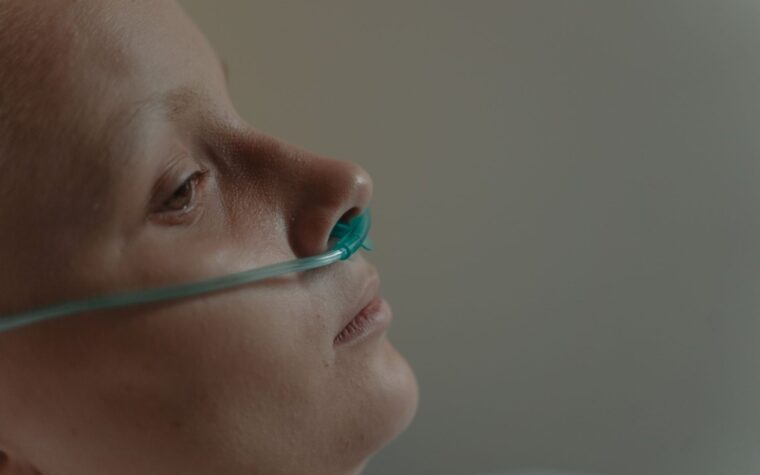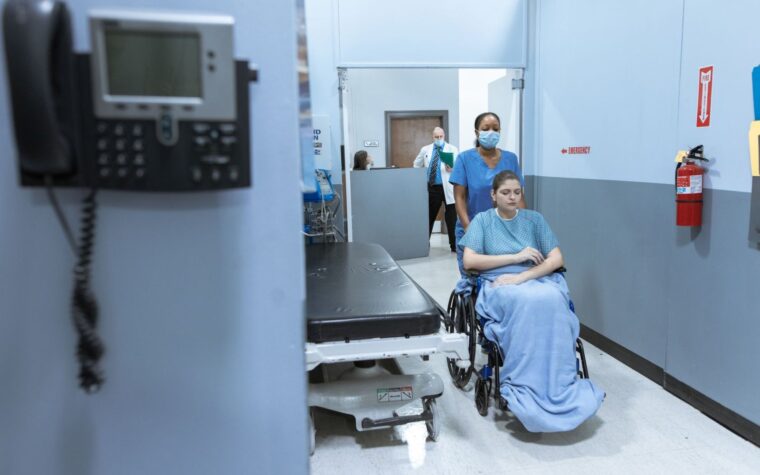
Humanizing medicine means shifting the focus of healthcare from treating a set of symptoms or diseases to caring for the whole person. This approach emphasizes genuine empathy, active listening, and shared decision making between patients and their healthcare providers. Rather than viewing patients as cases or numbers, humanized medicine seeks to recognize each individual’s unique story, values, and concerns.
Key Takeaways
- Humanizing medicine prioritizes the patient’s experience and emotional well being alongside clinical outcomes.
- Key elements include respectful communication, empathy, and involving patients in their own care decisions.
- Barriers such as time constraints and administrative burdens can make humanization challenging in modern healthcare systems.
What Does Humanizing Medicine Mean?
Humanizing medicine is a broad concept that asks healthcare professionals to see patients as people first. According to a report from Duke University, this idea goes beyond bedside manner. It involves a fundamental shift in how care is delivered. Instead of focusing only on lab results and diagnoses, providers are encouraged to understand the social, emotional, and personal factors that affect a patient’s health.
This approach recognizes that illness does not happen in a vacuum. A patient’s background, fears, and daily life all influence their health outcomes. By acknowledging these factors, doctors and nurses can build trust and provide care that is more meaningful and effective.
Why Is This Approach Important?
The modern healthcare system can sometimes feel impersonal. Short appointment times, electronic health records, and complex insurance processes can create distance between patients and providers. The Duke report suggests that this lack of connection can harm patient outcomes. When patients feel heard and respected, they are more likely to follow treatment plans and share important information about their health.
Humanizing medicine also addresses the emotional toll of illness. Chronic diseases, serious diagnoses, and hospital stays can be frightening and isolating. A caring, human connection can ease that burden and support mental health alongside physical healing.
Principles of Patient-Centered Care
The Duke report outlines several key principles for humanizing medicine. These include treating patients with dignity and respect, sharing complete and unbiased information, and encouraging patients to participate in their own care. Shared decision making is a central practice. Instead of a doctor simply telling a patient what to do, they work together to choose the best course of action based on both medical evidence and the patient’s preferences.
Another important principle is continuity of care. Patients often see multiple specialists and may feel lost in the system. Having a consistent care team or a primary care provider who knows their history can make a significant difference.
Barriers to Humanization
Despite its benefits, humanizing medicine faces real challenges. The Duke report notes that healthcare providers often work under intense time pressure. A typical primary care visit may last only 15 to 20 minutes, leaving little room for deep conversation. Administrative tasks, such as charting and billing, also take time away from direct patient interaction.
Burnout among healthcare professionals is another barrier. When doctors and nurses are exhausted, it becomes harder to maintain empathy and patience. The report suggests that addressing provider well being is an essential part of humanizing medicine. A supported caregiver is better able to offer compassionate care.
Practical Steps for Change
The Duke report offers several practical suggestions for healthcare systems and individual providers. These include asking open ended questions, sitting down during patient conversations to create equality, and using simple language without medical jargon. Training programs in communication and empathy can also help.
At a system level, changes might include redesigning clinic workflows to allow more time with patients or using team based care where nurses and social workers provide additional support. Technology, while often seen as a barrier, can also be used to humanize care if it helps patients access their own health information and communicate with their providers easily.
Frequently Asked Questions
Can technology help humanize medicine?
Yes, technology can support humanization if used thoughtfully. Patient portals that give people access to their own records, secure messaging for quick questions, and telehealth visits that reduce travel burdens can all improve the care experience. The key is to use technology as a tool for connection, not a barrier.
Does humanizing medicine take more time?
Humanizing medicine does not necessarily require more time, but it does require using the available time differently. Listening actively, asking one or two open ended questions, and acknowledging a patient’s emotions can be done within a standard appointment. The Duke report suggests that small changes in approach can have a large impact on the patient’s perception of care.
How can patients advocate for more humanized care?
Patients can help by preparing for appointments, writing down their questions and concerns in advance, and being honest about what matters most to them. Speaking up if they feel rushed or confused is also important. Patients can ask for clarification or request that their provider slow down to listen. A partnership between patient and provider is the foundation of humanized medicine.
This is an original report by Vital Signs Today, informed by reporting from Google News. Read the original source.
This article is for information only and is not medical advice. See our Medical Disclaimer.