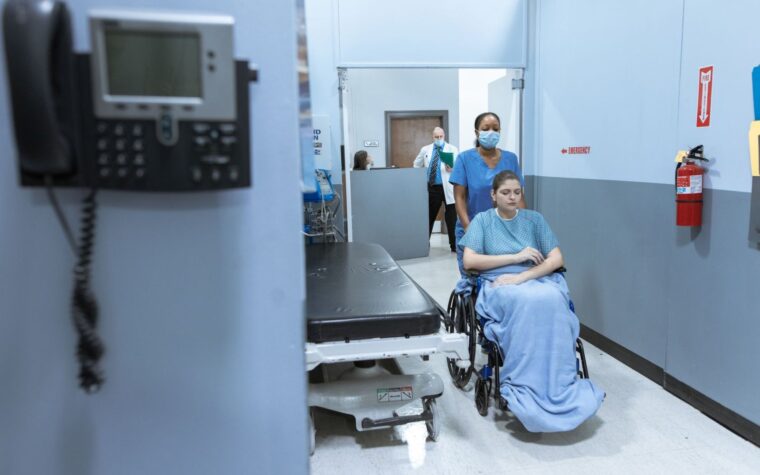
The United States is facing a deepening healthcare workforce shortage that could limit patients’ ability to get timely medical care and weaken the country’s economic standing, according to a new report from The Conference Board. The report highlights critical gaps in staffing across hospitals, nursing homes, and outpatient centers, and warns that the problem will likely grow without policy changes and investment.
Key Takeaways from the Report
- The U.S. healthcare workforce shortage is projected to worsen, particularly for nurses, home health aides, and primary care providers.
- Shortages are already reducing patient access to care, increasing wait times, and causing some facilities to limit services.
- The crisis also threatens economic competitiveness by raising healthcare costs and reducing the productivity of a less healthy workforce.
- Factors driving the shortage include aging of the existing workforce, burnout, inadequate training capacity, and low pay for certain roles.
- The report calls for expanded training programs, better compensation, and policy reforms to attract and retain workers.
What the Report Says About Patient Access
The Conference Board report warns that workforce shortages are already harming access to care. Patients in rural areas and underserved communities face the greatest challenges, as many clinics have closed or reduced hours due to lack of staff. Even in urban areas, appointment backlogs for specialists and primary care doctors have grown longer. The report notes that the aging U.S. population will increase demand for healthcare services at the same time that many experienced nurses and doctors are retiring.
Specific Staffing Gaps Identified
According to the analysis, the most severe shortages are among registered nurses, licensed practical nurses, nursing assistants, and home health aides. The report also flags a growing need for mental health providers and primary care physicians. It estimates that the nation will need hundreds of thousands more nurses by 2030 to meet demand. Facilities such as nursing homes and rural hospitals are particularly vulnerable because they often struggle to compete on wages with larger urban hospitals.
Impact on Economic Competitiveness
The workforce shortage doesn’t just affect patients. It also has broad economic consequences, the report says. When people cannot get timely preventive or chronic care, they become sicker and less productive. Higher rates of untreated illness lead to more disability and days missed from work. Employers face rising healthcare premiums and difficulty maintaining a healthy workforce. The report argues that a strained healthcare system ultimately makes the entire U.S. economy less competitive on the global stage.
Root Causes of the Shortage
The Conference Board points to several interconnected causes. Burnout among healthcare workers, which spiked during the COVID-19 pandemic, has caused many to leave the field early or reduce their hours. The training pipeline is also insufficient: nursing schools often turn away qualified applicants because they lack enough faculty and clinical placements. Low wages and challenging working conditions in long-term care and home health make it hard to attract and keep workers. The report also notes that immigration policies limit the number of foreign-trained healthcare professionals who can practice in the U.S.
Proposed Solutions from the Report
To address the shortages, the report recommends a combination of public and private actions. It suggests expanding funding for nursing and medical education, including scholarships and loan forgiveness programs. Improving wages and working conditions, especially for home health aides and nursing assistants, could make these roles more attractive. The report also calls for streamlining licensing and credentialing for healthcare professionals who move between states and for foreign-trained workers. Additionally, it advocates for policies that reduce administrative burdens so clinicians can spend more time with patients.
What This Means for the Future
The Conference Board emphasizes that the workforce shortage is not inevitable. With coordinated investment and policy reform, the U.S. can rebuild its healthcare labor force. However, without action, access to care will continue to erode and the economic costs will mount. The report urges policymakers, healthcare leaders, and educators to treat the shortage as a national priority.
Frequently Asked Questions
What is causing the healthcare workforce shortage in the U.S.?
The shortage stems from multiple factors including an aging workforce, high burnout rates, insufficient training capacity, and low pay for many positions. The pandemic accelerated departures, and demand for care continues to grow as the population ages.
How does the shortage affect patients?
Patients face longer wait times for appointments, reduced clinic hours, and in some cases closure of nearby facilities. Rural and low-income communities are especially hard hit. Delays in care can cause minor conditions to worsen, leading to more complex and costly treatment later.
What can be done to fix the shortage?
The report recommends expanding training programs, increasing wages for underpaid roles, reducing administrative burdens, and easing licensing barriers for workers moving between states or from abroad. Investment in mental health support for existing staff can also help retain them.
This article is based on findings from a report by The Conference Board, a nonprofit research organization. The original report can be accessed through their website.
This is an original report by Vital Signs Today, informed by reporting from Google News. Read the original source.
This article is for information only and is not medical advice. See our Medical Disclaimer.