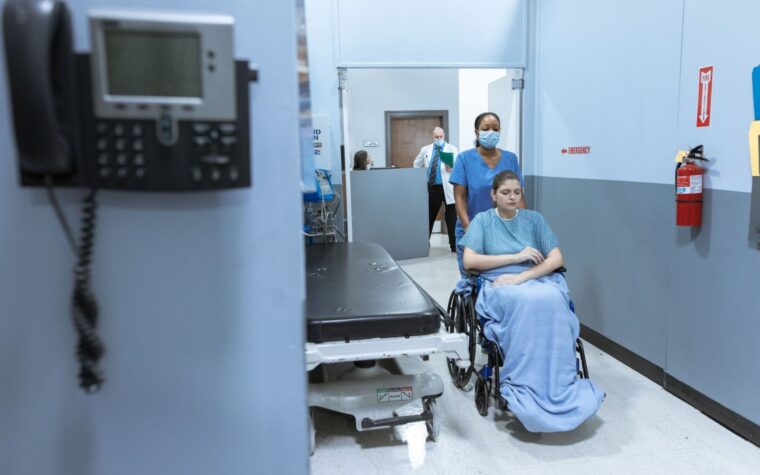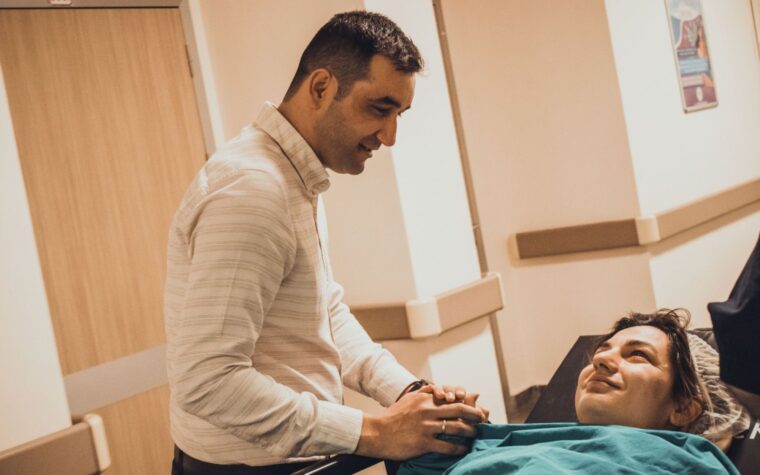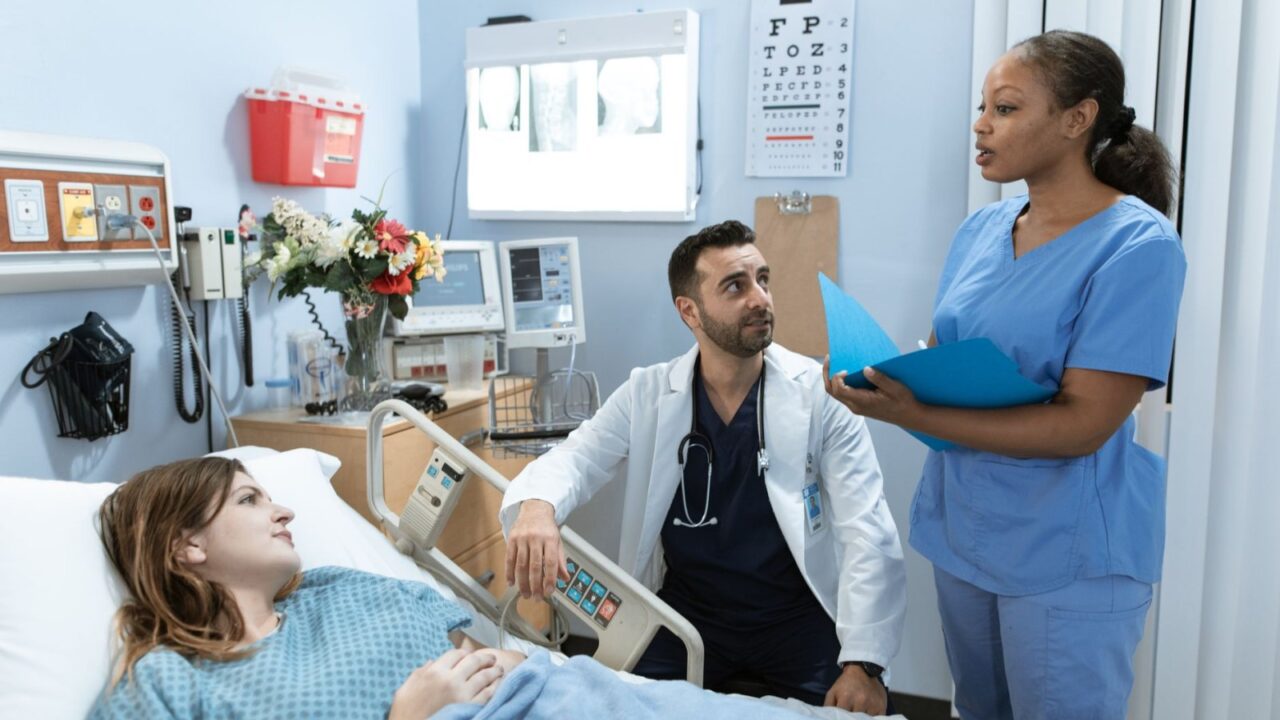
Free health screenings are medical tests offered at no cost to help identify potential health issues before symptoms appear. Sutter Health recently launched a program providing free screenings to promote healthier futures in their communities. These screenings can detect conditions like high blood pressure, diabetes, and certain cancers early, leading to better treatment outcomes and lower healthcare costs.
Key Takeaways
- Free health screenings help find diseases early when they are easier to treat.
- Sutter Health’s initiative focuses on underserved communities to improve health equity.
- Common free screenings include blood pressure checks, cholesterol tests, and glucose tests.
- Early detection through screenings can reduce long-term healthcare expenses.
- Accessing free screenings often requires no insurance or appointment.
Why Free Screenings Matter
Many serious health conditions develop silently without obvious symptoms. High blood pressure, high cholesterol, and type 2 diabetes often go unnoticed until they cause significant damage. Free health screenings provide a low barrier way for people to learn about their health status. According to the original report from Sutter Health, offering these screenings at no cost encourages more people to participate, especially those who might skip regular checkups due to cost or lack of insurance.
Early detection through screenings can lead to timely interventions. For example, catching prediabetes early allows lifestyle changes that may prevent full diabetes. Detecting high blood pressure early can prevent heart attacks and strokes. Free screenings also help identify cancer at earlier stages when treatment is more effective. This approach not only saves lives but also reduces the burden on emergency healthcare services.
What Screenings Are Typically Offered
Free health screening programs often include a range of basic tests. Common screenings include blood pressure measurement, blood glucose tests for diabetes, cholesterol panels, and body mass index assessments. Some programs also offer vision and hearing checks, skin cancer screenings, and colorectal cancer screening kits. Sutter Health’s initiative likely includes these core screenings, though specific details were not provided in the original report.
These screenings are quick, noninvasive, and provide immediate results or follow up recommendations. They are typically performed by trained healthcare professionals or community health workers. The goal is to give participants a snapshot of their health and guide them to further care if needed.
Who Can Benefit
Free health screenings are designed for everyone, but they especially benefit people who lack regular access to healthcare. Uninsured individuals, low income families, and those in rural or underserved areas often face barriers to preventive care. Sutter Health’s program aims to reach these groups and reduce health disparities. Older adults, people with a family history of chronic disease, and those with lifestyle risk factors like smoking or obesity also gain significant advantages from regular screenings.
Younger adults can also benefit. Many chronic conditions begin developing in middle age, and early detection can prevent complications later in life. Free screenings at community events or health fairs make it easy for busy individuals to check their health without scheduling a separate doctor visit.
How to Access Free Screenings
Accessing free health screenings usually involves attending a scheduled event or visiting a participating clinic. Sutter Health likely announces screening dates through local media, community centers, and their website. Some programs operate mobile health units that travel to different neighborhoods. No insurance or appointment is typically required, but participants may need to register in advance for certain screenings.
People interested in free screenings can check with local health departments, nonprofit organizations, and hospital systems like Sutter Health. Many faith based groups and schools also host screening events. The original report emphasizes that these screenings are part of a broader effort to build healthier communities by removing cost as a barrier to preventive care.
The Role of Health Systems
Health systems like Sutter Health play a key role in offering free screenings. They have the resources, staff, and infrastructure to organize large scale events. By providing these services at no cost, they fulfill a community health mission and reduce the long term costs of treating advanced diseases. The original report from Sutter Health highlights that free screenings are an investment in healthier futures for everyone.
Such programs also build trust between healthcare providers and the community. When people have positive experiences with free screenings, they are more likely to seek regular care and follow medical advice. This strengthens the overall public health system and helps prevent outbreaks of preventable diseases.
Frequently Asked Questions
What is a free health screening?
A free health screening is a medical test or assessment offered at no cost to the participant. It aims to detect early signs of disease or risk factors before symptoms develop. Common examples include blood pressure checks, blood glucose tests, and cholesterol screenings.
Are free screenings as accurate as paid ones?
Free screenings typically use the same equipment and procedures as paid screenings. They are performed by qualified staff and follow standard protocols. However, they may not include the full range of tests a doctor would order. If a screening shows an abnormal result, follow up testing with a primary care provider is recommended for confirmation.
How often should I get screened?
The frequency depends on your age, risk factors, and the type of screening. For example, blood pressure should be checked at least once a year for most adults. Blood glucose and cholesterol tests are often recommended every 3 to 5 years for people at average risk. People with higher risk may need more frequent screenings. A healthcare provider can give personalized advice.
This is an original report by Vital Signs Today, informed by reporting from Google News. Read the original source.
This article is for information only and is not medical advice. See our Medical Disclaimer.