France’s health minister has confirmed that the country’s first Ebola patient has fully recovered. The patient was diagnosed with the Ebola virus and received care in a specialized isolation unit designed to contain highly infectious diseases. This outcome marks a significant milestone in France’s ability to manage rare but dangerous pathogens.
Key Takeaways
- France’s first confirmed Ebola case has recovered after treatment.
- The patient was isolated in a high-level biocontainment facility.
- No secondary infections have been reported, according to health authorities.
- The recovery underscores the effectiveness of prompt diagnosis and specialized care.
Details of the Patient’s Recovery
Bloomberg reported that the health minister made the announcement, describing the patient’s recovery as a success for France’s infectious disease protocols. The patient, whose identity has not been disclosed, is believed to have contracted the virus while working in or traveling from an Ebola-affected region in West Africa. Treatment involved supportive care, including fluid management, symptom control, and strict isolation to prevent any potential spread.
Public Health Response
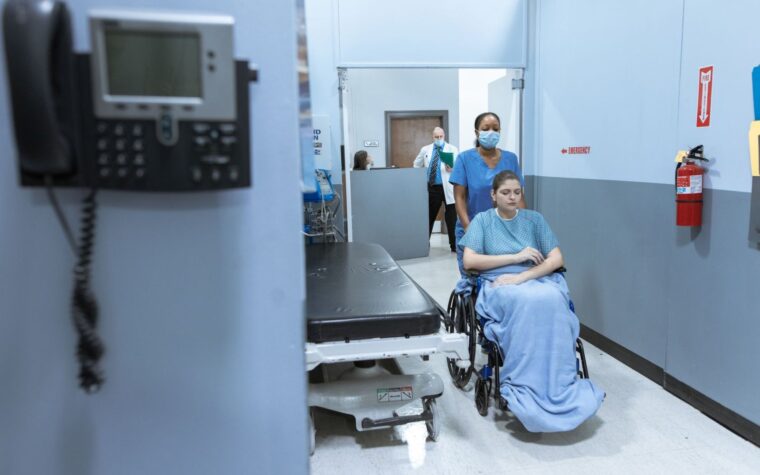
French health authorities quickly activated containment measures upon diagnosis. The patient was transferred to a specialized unit equipped with negative pressure rooms and trained staff. Contacts were traced and monitored for 21 days, the maximum incubation period of the virus. No additional cases have been reported, indicating that the risk to the general public remains low. The response followed the World Health Organization’s guidelines for managing viral hemorrhagic fevers.
Ebola Treatment and Outlook
Ebola virus disease has a high fatality rate, but early supportive care can significantly improve survival. Treatments such as monoclonal antibody therapies and antiviral drugs have been used in recent outbreaks, although the exact regimen given to the French patient has not been specified. The recovery reinforces the importance of rapid detection, isolation, and treatment. It also demonstrates that even resource-rich countries can face challenges when importing rare infectious diseases, but well-prepared health systems can manage the threat effectively.
Frequently Asked Questions
How was the patient treated for Ebola?
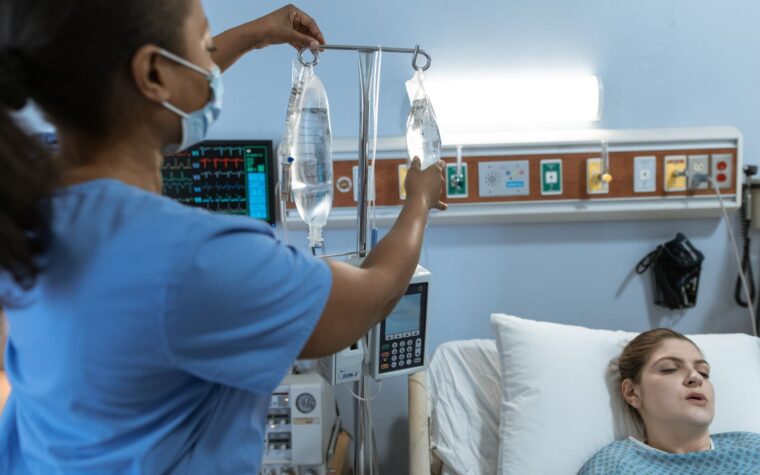
The patient received supportive care in a high-level isolation unit. This typically includes intravenous fluids, electrolyte monitoring, oxygen support, and treatment for any secondary infections. Specific antiviral or antibody therapies may have been used, but the health minister did not provide details on the exact medications.
Is there any risk of an Ebola outbreak in France?
Health officials have stated that the risk is very low. The patient was quickly isolated, and all close contacts were monitored. Ebola spreads through direct contact with bodily fluids, not through airborne transmission, so containment is achievable with standard infection control measures.
What does this case mean for France’s public health system?
The successful recovery confirms that France’s infrastructure for handling highly dangerous pathogens is effective. It also serves as a reminder that global travel can introduce rare diseases, and preparedness plans need to remain active. The case may lead to further training and resource allocation for similar events.
This is an original report by Vital Signs Today, informed by reporting from Google News. Read the original source.
This article is for information only and is not medical advice. See our Medical Disclaimer.