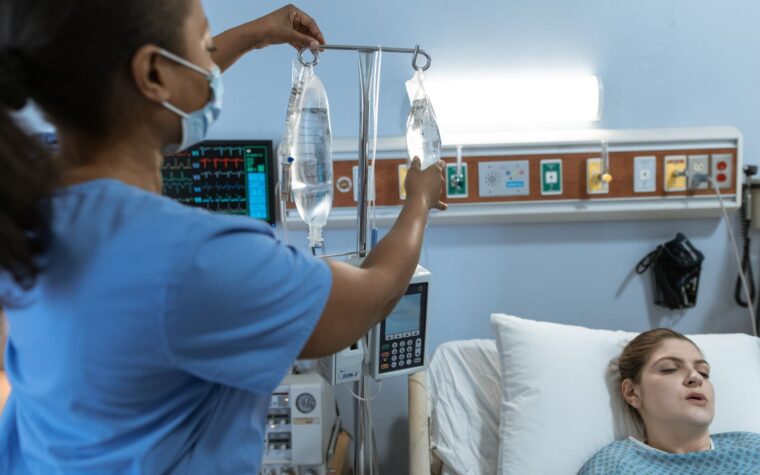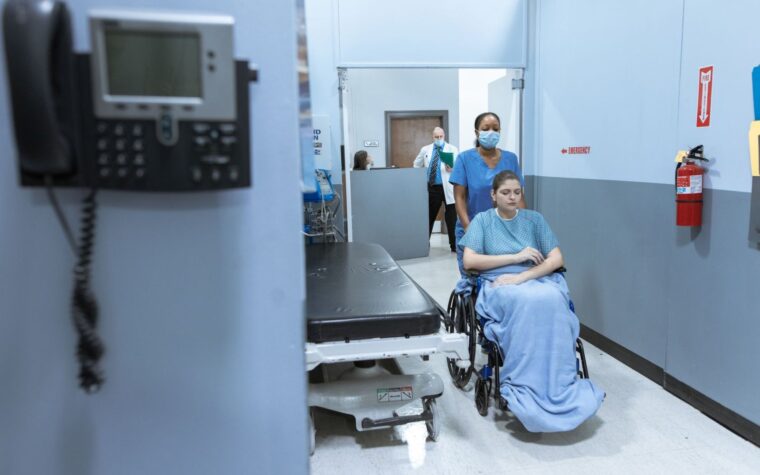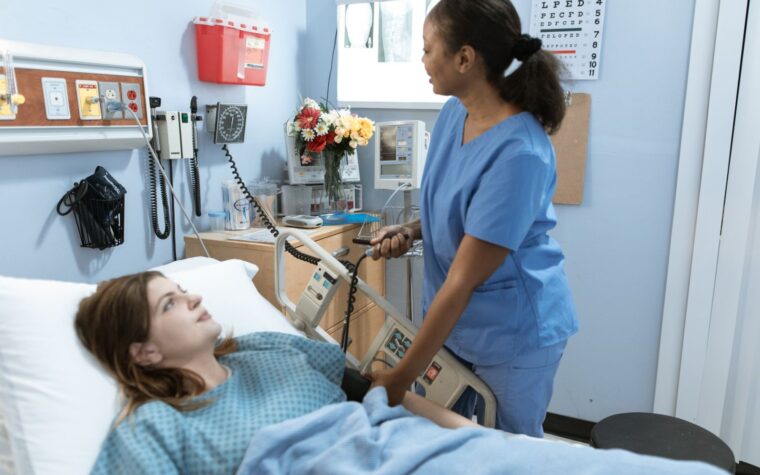
A clinical trial for an experimental Ebola antiviral has started at an undisclosed facility, according to a recent report. The decision to keep the location secret comes amid repeated attacks targeting health workers and treatment centers in the region where Ebola outbreaks occur. This trial is part of ongoing efforts to develop better treatments for the deadly virus.
Researchers are testing the antiviral in a controlled setting to evaluate its safety and effectiveness against Ebola virus disease. The confidential setup aims to protect staff, participants, and the integrity of the study from potential security threats.
Key Takeaways
- A clinical trial for an Ebola antiviral has commenced at an undisclosed location due to security concerns.
- The trial aims to assess the drug’s safety and efficacy in treating Ebola virus disease.
- Attacks on healthcare facilities in Ebola-affected areas have forced researchers to adopt secretive measures.
- Developing effective antivirals remains a priority for controlling future Ebola outbreaks.
Why a Secret Facility?
Ebola outbreaks often occur in regions with limited infrastructure and ongoing conflict. In recent years, health workers and clinics have been targeted by armed groups, making open clinical trials dangerous. The report from Health Policy Watch indicates that moving the trial to a confidential facility allows the study to proceed without exposing participants and staff to violence. This approach mirrors strategies used in other high-risk settings, such as vaccine trials in conflict zones.
The Antiviral Under Evaluation
Details about the specific antiviral being tested have not been fully disclosed in the report, likely to maintain security and confidentiality. However, the trial is part of a broader pipeline of experimental Ebola treatments. Previous efforts have included monoclonal antibodies and broad-spectrum antivirals, but no cure exists. This new trial seeks to add another tool for treating Ebola, which has a high fatality rate without supportive care.
Challenges in Ebola Research
Conducting Ebola research during active outbreaks is fraught with logistical and ethical hurdles. Outbreaks are unpredictable and often occur in remote areas. Adding security threats from armed attacks further complicates recruitment, data collection, and follow-up. The use of a secret facility underscores the extreme measures needed to continue vital research while ensuring safety.
Importance of New Treatments
Ebola virus disease causes severe hemorrhagic fever and can kill up to 90% of infected individuals without treatment. While vaccines now exist for prevention, treatments are limited. The World Health Organization recommends supportive care and two monoclonal antibody treatments under certain conditions. A new antiviral would provide an additional option, especially if it can be administered orally or in a single dose, making it easier to use in the field.
Frequently Asked Questions
What is the purpose of the secret facility?
The secret facility is used to protect researchers, participants, and the trial from attacks by armed groups. It allows the study to continue without the risk of violence that has disrupted previous health responses in Ebola-affected areas.
How does this trial compare to previous Ebola studies?
Previous Ebola trials have often been conducted in treatment centers within outbreak zones. This trial is distinct because its location is confidential, reflecting the increased security threats. The drug itself may also belong to a newer class of antivirals, although specifics are not yet public.
When will results be available?
The report did not provide a timeline for results. As with any clinical trial, data will be analyzed after enrollment and follow-up are complete. Researchers typically share preliminary findings once they have sufficient evidence on safety and efficacy.
This is an original report by Vital Signs Today, informed by reporting from Google News. Read the original source.
This article is for information only and is not medical advice. See our Medical Disclaimer.