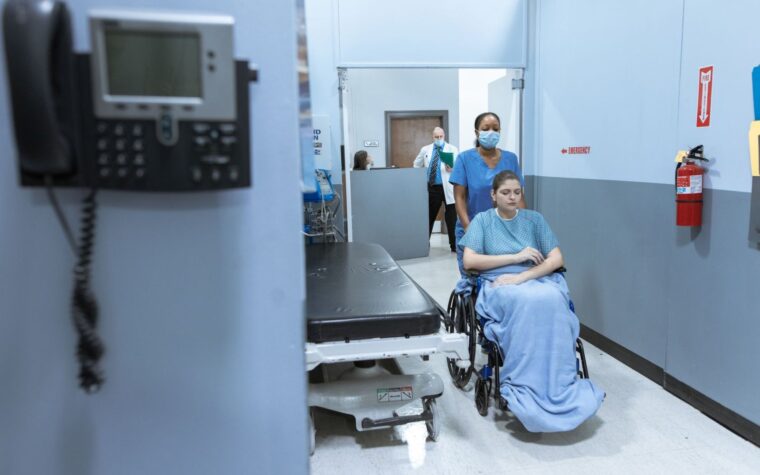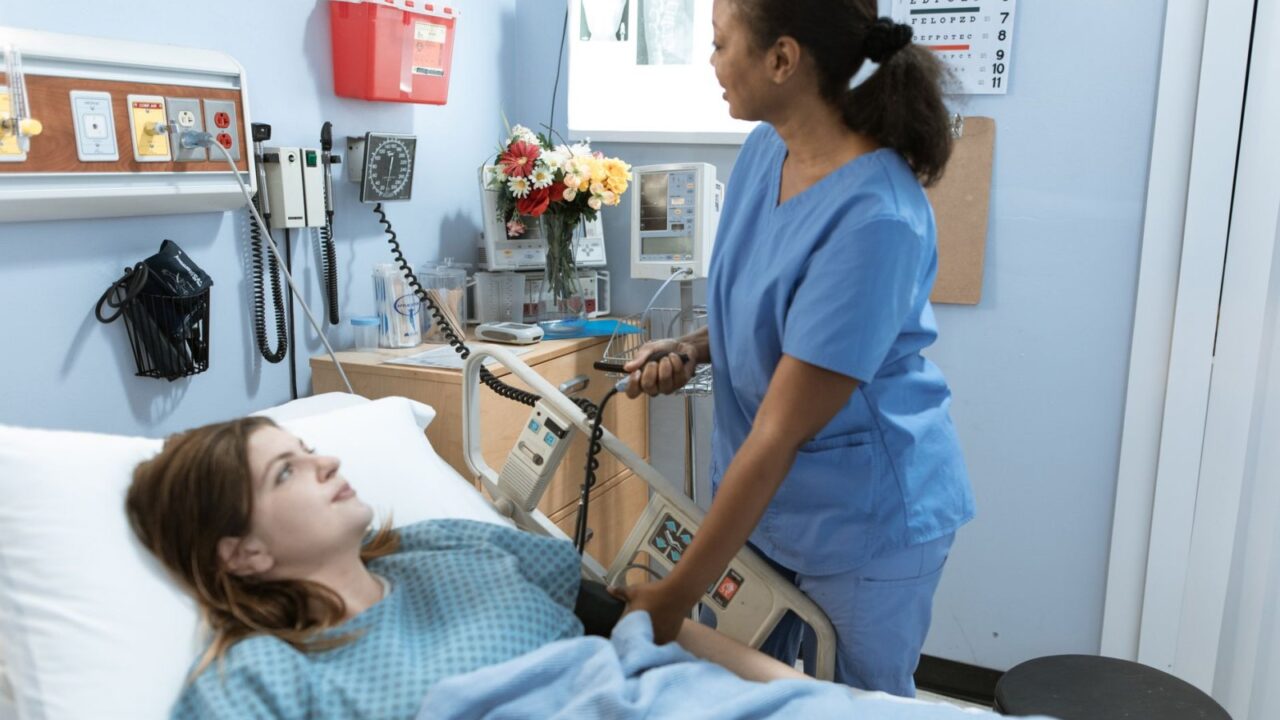
Colon cancer in people under 50 is rising in Florida and the cases doctors are seeing appear to be more aggressive than in older patients. A physician at NCH Healthcare System in Naples says these younger patients often have a different, faster growing form of the disease. The trend mirrors a national increase in early onset colorectal cancer, and experts stress the importance of knowing your family history and getting screened before age 45 if you have symptoms or risk factors.
Key Takeaways
- Colon cancer incidence is rising in adults under 50 in Florida and across the United States.
- Cases in younger adults are often more aggressive and may be diagnosed at later stages.
- Experts now recommend starting colorectal cancer screening at age 45, or earlier for those with symptoms or a family history.
The Rising Trend of Early Onset Colorectal Cancer
According to a report from Gulf Coast News and Weather, Dr. Hector Rodriguez, a colorectal surgeon with NCH Healthcare System in Naples, Florida, has noted a marked increase in colon cancer cases among patients in their 30s and 40s. He told the news outlet that these patients often have no clear genetic or lifestyle explanation for their diagnosis.
Dr. Rodriguez said the tumors in younger patients appear to behave more aggressively and may grow faster than those typically seen in older adults. This leads to many younger patients being diagnosed at stage 3 or 4, when the cancer has already spread. The underlying reasons for this shift are not yet fully understood, but researchers are investigating possible links to diet, gut microbiome changes, and environmental factors, the report noted.
Why Younger Patients Face Greater Challenges
One major challenge is that younger adults and their doctors often dismiss symptoms like rectal bleeding, abdominal pain, or changes in bowel habits. These symptoms can be mistakenly attributed to hemorrhoids, irritable bowel syndrome, or stress, delaying a correct diagnosis. By the time colon cancer is found, it may have already reached an advanced stage.
Data from the American Cancer Society shows that rates of colorectal cancer have been increasing by about 1 to 2 percent per year in people under 50 since the mid 1990s. Meanwhile, rates in older adults have declined due to widespread screening. The shift has prompted the U.S. Preventive Services Task Force to lower the recommended starting age for colorectal cancer screening from 50 to 45 for people at average risk.
What the Florida Findings Mean for You
Dr. Rodriguez emphasized that anyone with symptoms should not wait until they turn 45 to discuss screening with a doctor. Individuals with a family history of colorectal cancer or certain genetic syndromes may need to start screening even earlier, sometimes as young as 20 or 25, according to expert guidelines cited in the report.
Screening options include colonoscopy, which allows doctors to both detect and remove precancerous polyps, as well as stool based tests. A colonoscopy remains the gold standard because it can both find and prevent cancer in a single procedure, the report stated. Dr. Rodriguez stressed that screening is the most effective way to catch colon cancer early when it is most treatable.
Symptoms to Watch For
The report listed several warning signs that should prompt a medical evaluation. These include blood in the stool, persistent abdominal cramps or pain, unexplained weight loss, a change in bowel habits lasting more than a few weeks, and feeling as though the bowel does not empty completely. Anyone experiencing these symptoms should speak to a primary care doctor or a gastroenterologist, Dr. Rodriguez said.
Frequently Asked Questions
At what age should I start colon cancer screening?
For people at average risk, the recommended age to start regular screening is now 45. If you have a family history of colorectal cancer or certain genetic conditions, your doctor may recommend starting earlier. Anyone with symptoms should discuss screening with a healthcare provider regardless of age.
Why are colon cancer cases rising in younger adults?
Researchers are still investigating the exact causes. Possible factors include changes in diet, increased use of antibiotics affecting gut bacteria, rising obesity rates, and environmental exposures. The trend has been observed nationwide for several decades and for reasons not yet fully explained, the aggressive nature of these cancers in younger patients is also increasing.
Is colon cancer more deadly in younger patients?
Colon cancer can be more dangerous in younger adults because it is often diagnosed at a later, less treatable stage. Delayed diagnosis is common when symptoms are mistaken for less serious conditions. However, when caught early, colon cancer has a high survival rate regardless of age.
This is an original report by Vital Signs Today, informed by reporting from Google News. Read the original source.
This article is for information only and is not medical advice. See our Medical Disclaimer.