The Certitude Breast blood test is a non-invasive liquid biopsy that analyzes DNA methylation patterns in the blood to detect early signs of breast cancer. According to an interview with Justin Drake, PhD, reported by Contemporary OB/GYN, the test is designed to complement mammography, especially for women with dense breast tissue or higher risk. It is not yet FDA approved but has shown promising results in early clinical studies.
Key takeaways
- The Certitude Breast test is a blood-based screening tool that looks for DNA methylation changes linked to breast cancer.
- It aims to improve early detection in women for whom mammography may be less effective, such as those with dense breasts.
- The test is still under investigation and not yet commercially available in the United States.
- Early data suggest it may detect some cancers missed by standard imaging, but more research is needed.
What is the Certitude Breast blood test?
The Certitude Breast test is a blood draw that looks for specific chemical changes in DNA known as methylation. Dr. Drake explained that methylation patterns can indicate whether a person has breast cancer, even in its earliest stages. The test is intended to be used alongside mammography, not as a replacement. It was developed by the company Datar Cancer Genetics and is being studied in clinical trials.
How does the test work?
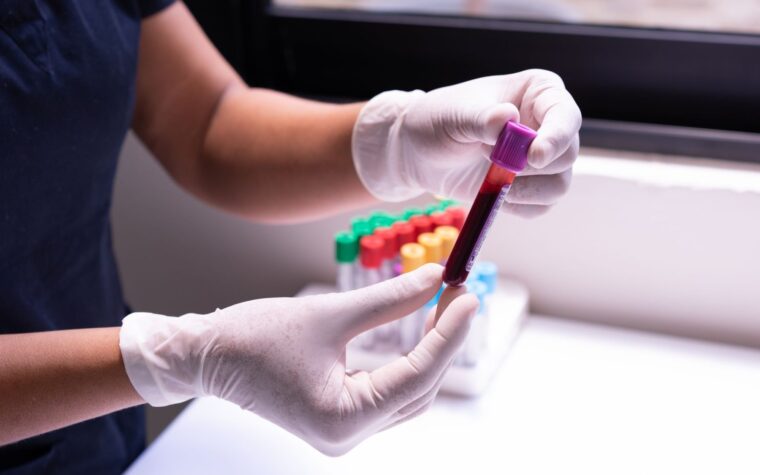
When cancer cells die or shed, they release fragments of DNA into the bloodstream. The Certitude Breast test isolates these fragments and checks for methylation markers that are characteristic of breast tumors. Dr. Drake noted that this approach can detect cancer before a tumor becomes large enough to be seen on a mammogram. The test requires a standard blood sample and results are typically available within a few days.
How accurate is it?
According to the original report, early studies presented by Dr. Drake suggest the test has high specificity, meaning it rarely flags people without cancer. Sensitivity, or the ability to find cancer when it is present, has also been encouraging in small trials. However, larger studies are underway to confirm these numbers. The test is not yet cleared by the FDA, so its accuracy in a broad population is still being evaluated.
Who might benefit from this test?
The test may be especially useful for women with dense breast tissue, which can make mammograms harder to read. It could also benefit women who are at high risk due to family history or genetic mutations, such as BRCA. Dr. Drake emphasized that the test is not intended for everyone but rather as an additional option for those who need more sensitive screening. It may also help reduce unnecessary biopsies by clarifying ambiguous mammogram findings.
Comparison to mammography
Mammography remains the standard for breast cancer screening and has proven benefits in reducing deaths. However, it has limitations. It can miss cancers in dense breasts, and it sometimes leads to false alarms that require additional imaging or biopsy. The Certitude Breast test, Dr. Drake explained, could fill that gap by providing a different type of information. It is not meant to replace mammograms but to add a layer of detection, particularly for early stage and hard to find tumors.
Future outlook and availability
Dr. Drake stated that if ongoing clinical trials confirm the test’s performance, it could become available as a lab developed test in the next few years. Regulatory approval from the FDA would likely follow. The test is currently being offered only within research studies in the United States. Some similar blood tests for other cancers have already reached the market, so the technology is considered feasible. Researchers are hopeful that the Certitude Breast test will become one more tool in the effort to catch breast cancer as early as possible.
Frequently Asked Questions
Is the Certitude Breast test FDA approved?
No, the test is not yet FDA approved. It is currently being studied in clinical trials to gather more evidence on its accuracy and clinical value. Dr. Drake noted that the manufacturer plans to seek approval after completing larger studies.
How much does the test cost?
Since the test is not yet commercially available, a price has not been set. During the research phase, it is provided free of charge to participants. Once launched, the cost will likely depend on insurance coverage and the final regulatory pathway.
Can it detect all types of breast cancer?
Early data suggest the test can detect several common types of breast cancer, including hormone receptor positive and HER2 positive subtypes. However, it may not detect every rare form. More research is needed to understand its performance across all breast cancer types. Dr. Drake advised that the test should always be used in combination with standard screening methods.
This is an original report by Vital Signs Today, informed by reporting from Google News. Read the original source.
This article is for information only and is not medical advice. See our Medical Disclaimer.