Brushing your teeth during a hospital stay may do more than keep your mouth clean. A new analysis suggests that the simple daily habit could reduce the risk of patients developing pneumonia while in the hospital. Pneumonia is a serious lung infection that can strike patients who are already ill, and it is one of the most common infections acquired in healthcare settings.
The findings, based on a review of existing studies, indicate that hospital patients who brush their teeth regularly may be less likely to get hospital-acquired pneumonia compared with those who do not. The practice appears to lower the number of harmful bacteria in the mouth that can be inhaled into the lungs, where they can cause infection.
Key Takeaways
- Daily toothbrushing for hospital patients may lower the risk of hospital-acquired pneumonia.
- The practice reduces the amount of potentially harmful bacteria in the mouth that can travel to the lungs.
- Researchers say toothbrushing is a simple, low-cost intervention that could be added to patient care routines.
- The benefit appears strongest for patients on mechanical ventilation, but others may also benefit.
The Link Between Oral Health and Pneumonia
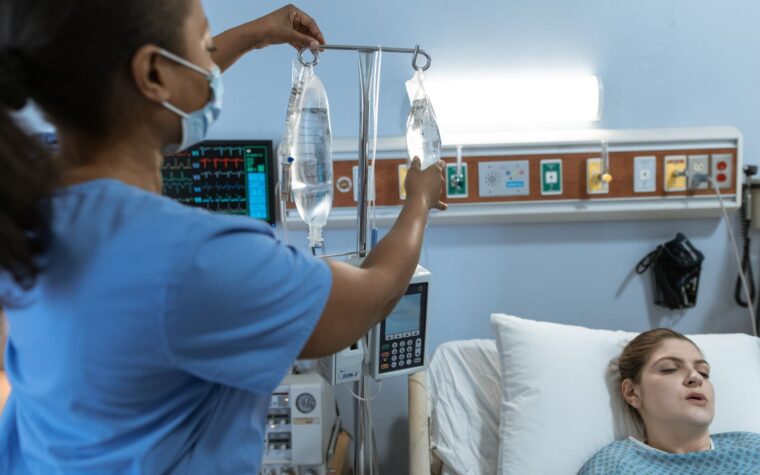
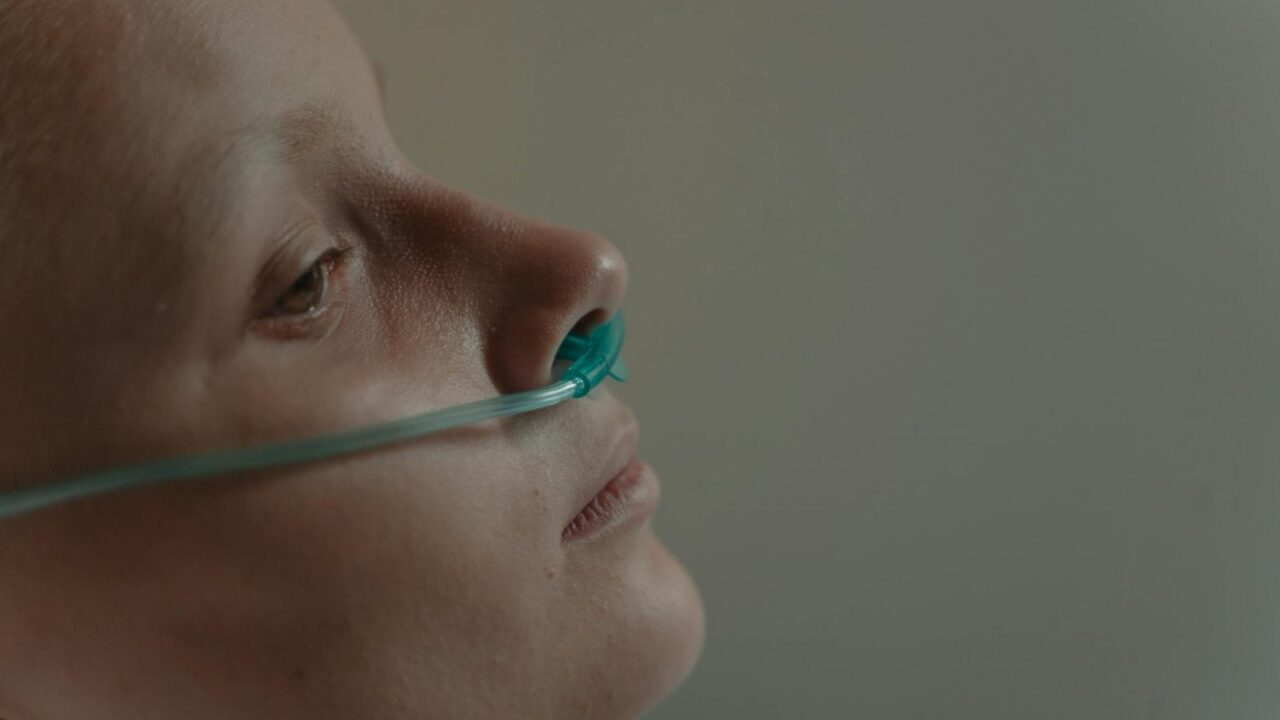
Hospital-acquired pneumonia is a lung infection that develops in patients during their stay. It is a leading cause of illness and death in healthcare settings, particularly affecting those who are critically ill, elderly, or on breathing machines. The infection often occurs when bacteria from the mouth enter the airway and reach the lungs.
According to the report from Medical Xpress, researchers analyzed data from multiple studies involving thousands of hospital patients. They found that those who brushed their teeth daily had a significantly lower rate of pneumonia compared with patients who did not brush. The effect was especially noticeable among patients who were on mechanical ventilation, a group at very high risk for developing the infection.
How Toothbrushing Helps
The mouth naturally contains many types of bacteria. In healthy people, these bacteria usually cause no problems. But for hospitalized patients, especially those with weakened immune systems or swallowing difficulties, these bacteria can be aspirated into the lungs. Once there, they can trigger pneumonia.
Toothbrushing physically removes bacteria and the sticky film of plaque from teeth and gums. This reduces the overall bacterial load in the mouth. For patients who cannot brush on their own, nurses or other caregivers can assist. The review suggests that toothbrushing may be even more effective than antiseptic mouthwashes alone at preventing pneumonia.
Potential Impact on Hospital Care
Hospital-acquired pneumonia affects hundreds of thousands of patients each year in the United States alone. It extends hospital stays, increases healthcare costs, and can be fatal. The researchers behind the analysis argue that making toothbrushing a standard part of hospital care could be a simple and inexpensive way to reduce these infections.
Many hospitals already have oral care protocols for certain patients, but they are not always followed consistently. The new findings could encourage hospitals to strengthen and enforce these routines. The analysis is published in a medical journal and adds to a growing body of evidence linking oral hygiene to overall health, particularly for hospitalized patients.
Frequently Asked Questions
Who should brush their teeth in the hospital?
All hospitalized patients may benefit from daily toothbrushing, but the evidence is strongest for those in intensive care units or on mechanical ventilators. If you or a loved one is in the hospital, ask the nursing staff about oral care routines.
Does mouthwash work as well as brushing?
The review suggests that toothbrushing may be more effective than mouthwash alone for preventing pneumonia. Brushing physically removes bacteria and plaque, while mouthwash only kills some germs. Combining both may offer the best protection.
Can this help prevent other infections?
Good oral hygiene is linked to lower rates of several infections, including pneumonia and possibly bloodstream infections. However, the current research focuses specifically on hospital-acquired pneumonia. More studies are needed to see if toothbrushing reduces other infection risks.
This is an original report by Vital Signs Today, informed by reporting from Medical Xpress. Read the original source.
This article is for information only and is not medical advice. See our Medical Disclaimer.