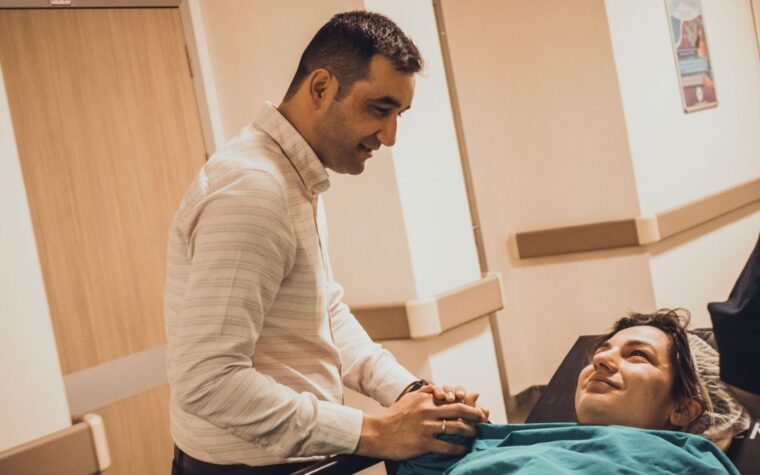
The Connecticut Supreme Court chief justice has announced plans to launch a behavioral health court pilot program in New Haven. The specialized court would focus on diverting individuals with mental health or substance use disorders away from the criminal justice system and into treatment and support services.
Key takeaways
- The pilot program would establish a behavioral health court in New Haven to address the underlying needs of certain defendants.
- The court aims to provide treatment alternatives for individuals with mental health conditions or substance use disorders instead of jail time.
- The initiative reflects a broader push in Connecticut to reduce incarceration rates for those with behavioral health challenges.
What is a behavioral health court?
Behavioral health courts are specialized court dockets that handle cases involving defendants who have mental health conditions or substance use disorders. Unlike traditional criminal courts, these courts emphasize treatment, supervision, and support over punishment. Participants may receive access to counseling, medication management, housing assistance, and job training as conditions of their case resolution.
According to the original report by CT Mirror, the proposed pilot would operate in New Haven and serve as a model that could eventually expand to other parts of the state. The chief justice has cited the need to reduce the number of people with behavioral health issues who cycle through the state’s jails and prisons without receiving adequate care.
Why New Haven?
New Haven was chosen for the pilot in part because of existing partnerships between the court system, local health providers, and community organizations. The city already has a strong network of mental health and substance use services that can be leveraged for the new court. Proponents of the plan say New Haven’s infrastructure makes it an ideal testing ground before considering a statewide rollout.
Goals of the pilot program
The behavioral health court pilot aims to achieve several goals. First, it seeks to reduce incarceration for nonviolent offenses that stem from untreated behavioral health conditions. Second, it hopes to lower recidivism by addressing root causes of criminal behavior such as addiction or untreated mental illness. Third, the program aims to save taxpayer money by reducing the costs associated with jail and repeated court appearances.
The chief justice stated, according to CT Mirror, that the court would use a collaborative approach involving judges, prosecutors, defense attorneys, and health professionals. Participants would be closely monitored and required to attend treatment sessions, with incentives for compliance and graduated sanctions for noncompliance.
Potential impact on Connecticut’s justice system
If successful, the New Haven pilot could serve as a blueprint for other Connecticut cities. The state has a significant number of individuals with mental health conditions in its correctional facilities, and advocates have long pushed for alternatives to incarceration. A behavioral health court aligns with national trends toward problem-solving courts that address underlying issues rather than simply punishing offenses.
The pilot is still in the planning stages, and details regarding funding, eligibility criteria, and timeline have not yet been finalized. The chief justice’s office is expected to work with state lawmakers, the Judicial Branch, and community stakeholders to move the project forward.
Frequently Asked Questions
Who would be eligible for the behavioral health court?
Eligibility criteria have not been announced, but such courts typically serve individuals charged with nonviolent offenses who have a diagnosed mental health condition or substance use disorder. Participants must usually agree to voluntary participation and comply with treatment plans.
When will the pilot court start operating?
No specific start date has been set. The chief justice has indicated that planning is underway and that the court will launch once logistics, funding, and partnerships are finalized.
How is this different from existing mental health courts in Connecticut?
Connecticut already has some mental health dockets, but the New Haven pilot would represent a more structured and expanded approach, with dedicated staff and resources. The chief justice has described it as a comprehensive model that integrates behavioral health services directly into court proceedings.
This is an original report by Vital Signs Today, informed by reporting from Google News. Read the original source.
This article is for information only and is not medical advice. See our Medical Disclaimer.