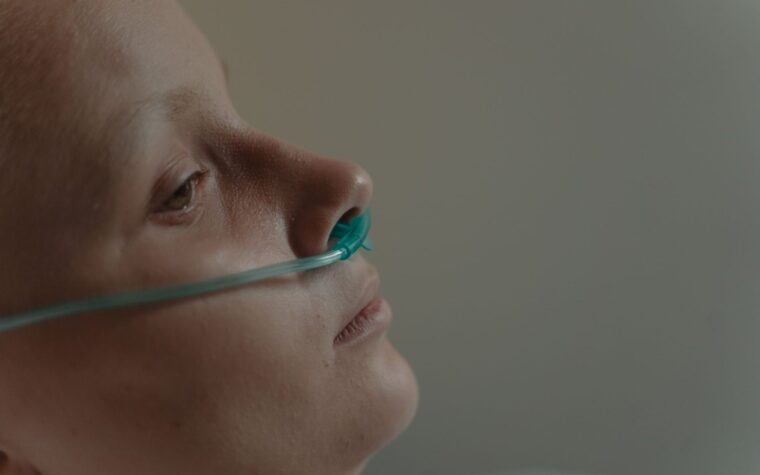
Could psychedelic therapy, including substances like psilocybin and MDMA, offer meaningful support to patients in end-of-life care? According to a new report from Medical Xpress, some doctors believe it might, but they emphasize the need for caution and further research. The potential for these therapies to reduce anxiety, depression, and existential distress in terminally ill patients has drawn growing scientific interest, but many experts stress that the evidence is still emerging.
Key takeaways
- Psychedelic therapy has shown promise in early trials for reducing anxiety and depression in patients with life-threatening illnesses.
- Doctors caution that these treatments are not a cure and require careful medical supervision in a controlled setting.
- Further research is necessary to establish safety, efficacy, and appropriate protocols for end-of-life care.
What does the research say about psychedelic therapy?
The report highlights that several small clinical trials have investigated the use of psychedelics such as psilocybin, the active compound in magic mushrooms, and MDMA, often known as ecstasy, in patients with advanced cancer or other terminal conditions. These studies suggest that a single guided session can produce lasting reductions in symptoms of depression and anxiety, sometimes for months after treatment. Patients have also reported a greater sense of peace and acceptance regarding their prognosis.
However, the report notes that the current body of evidence is limited by small sample sizes and a lack of long-term follow-up data. Doctors interviewed for the story caution against overhyping the results, stressing that many studies are still in early phases and may not be generalizable to all patient populations.
How is psychedelic therapy administered?
Psychedelic therapy is not simply taking a drug. It typically involves a structured process. The report explains that patients first undergo preparatory sessions with trained therapists to set intentions and build trust. Then they participate in a guided experience in a controlled setting, often with eyeshades and music. Integration sessions afterward help patients make sense of their experiences and apply insights to their daily lives. This therapeutic framework is key to the potential benefits, the report emphasizes.
What are the risks and concerns?
Doctors quoted in the report express several concerns. Psychedelic substances can sometimes cause acute anxiety, paranoia, or confusion during the session, particularly if the patient is not well prepared. There are also potential interactions with other medications commonly used in palliative care. Furthermore, the legal status of most psychedelics remains a significant barrier. In the United States, psilocybin and MDMA are still classified as Schedule I substances, meaning they are considered to have no accepted medical use, though this is changing in some states and cities.
The report also notes that many experts worry about the potential for exploitation if these therapies become commercialized without proper oversight. Ensuring that patients have access to legitimate, research-based treatment rather than unregulated alternatives is a priority.
The bigger picture: A shift in end-of-life care
The growing interest in psychedelic therapy reflects a broader movement in palliative care toward addressing not just physical pain but also the psychological and spiritual suffering that often accompanies terminal illness. The report suggests that while psychedelics may not be for everyone, they represent a potential tool in a holistic approach to end-of-life care that values quality of life and emotional well-being.
Frequently Asked Questions
Is psychedelic therapy legal for end-of-life patients?
Currently, psychedelic therapy is not widely legal in the United States for end-of-life care, though some jurisdictions have decriminalized or approved limited use. The report notes that clinical trials and research exemptions provide the primary legal pathways for patients to access these treatments at this time.
What kinds of psychedelics are being studied?
The most studied psychedelics in this context are psilocybin and MDMA, according to the report. Psilocybin has shown particular promise for existential distress, while MDMA is being investigated for its potential to help patients process trauma and anxiety in a therapeutic setting.
Can I request psychedelic therapy from my doctor?
Unless you are participating in an approved clinical trial, it is unlikely that your doctor can prescribe psychedelic therapy for end-of-life care, the report indicates. Patients interested should discuss their options with a palliative care specialist or a therapist trained in psychedelic medicine, who can help identify any available research opportunities.
This is an original report by Vital Signs Today, informed by reporting from Medical Xpress. Read the original source.
This article is for information only and is not medical advice. See our Medical Disclaimer.