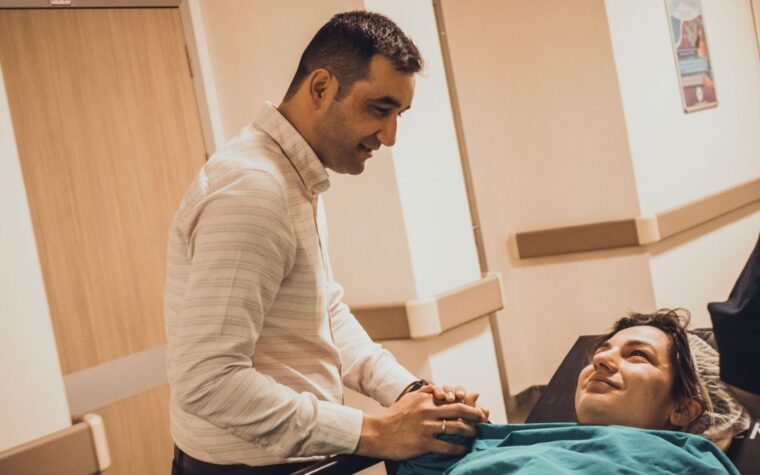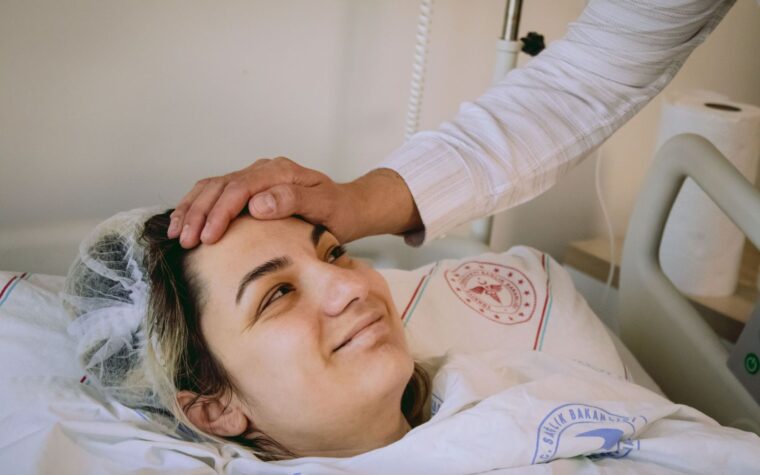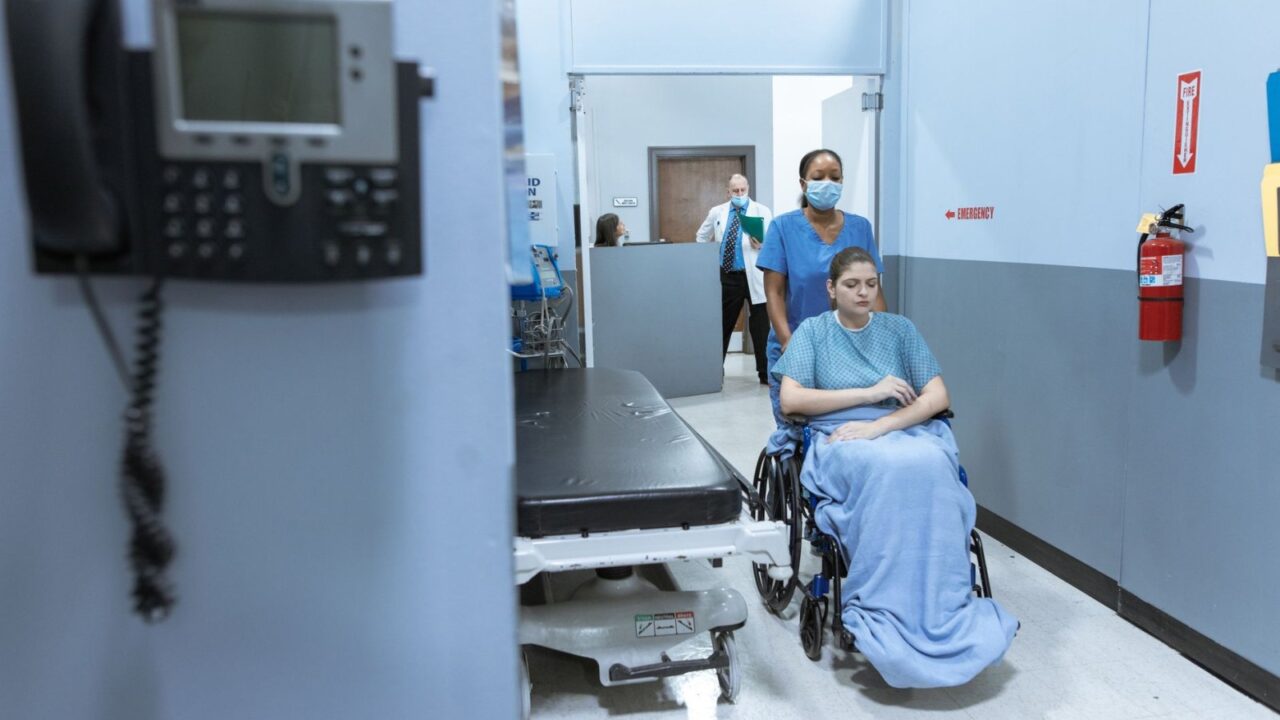
Ketamine therapy is gaining attention as a treatment for mental health conditions such as depression, anxiety, and post-traumatic stress disorder (PTSD). A clinic in Las Vegas recently offered a look at how this therapy works, including the process of administering low doses of the anesthetic drug in a controlled medical setting. According to the clinic, patients receive ketamine intravenously while being monitored by medical staff, with the goal of providing relief for those who have not responded to traditional treatments.
Key takeaways
- Ketamine therapy uses low doses of the anesthetic drug to treat mental health conditions.
- The treatment is typically offered to patients who have not found relief from standard antidepressants or therapy.
- Sessions are supervised by medical professionals in a clinical setting to ensure safety.
- Potential side effects include dissociation, nausea, and changes in blood pressure.
- The therapy is not a first-line treatment and is often used alongside other mental health care.
What is ketamine therapy?
Ketamine is a dissociative anesthetic that has been used for decades in medical procedures. In recent years, researchers have studied its effects on mental health, particularly for treatment-resistant depression. The therapy involves giving patients a low dose of ketamine, usually through an IV infusion, in a clinic or hospital setting. The goal is to produce rapid relief from symptoms, often within hours or days, compared to traditional antidepressants which can take weeks to work.
At the Las Vegas clinic highlighted in the report, patients undergo a series of sessions over several weeks. Each session lasts about an hour, during which the patient is monitored for vital signs and any adverse reactions. The clinic emphasizes that the treatment is not a standalone cure but part of a broader mental health plan that may include talk therapy and medication management.
Who is a candidate for ketamine therapy?
Ketamine therapy is generally reserved for individuals with severe or treatment-resistant mental health conditions. According to the clinic, candidates often have tried multiple antidepressants or therapies without success. Conditions that may be treated include major depressive disorder, bipolar depression, PTSD, and anxiety disorders. However, not everyone qualifies. People with certain medical conditions, such as uncontrolled high blood pressure or a history of substance abuse, may not be suitable candidates.
The clinic conducts a thorough evaluation before starting treatment. This includes a medical history review, a psychiatric assessment, and a discussion of potential risks and benefits. Patients are also informed that the therapy is not FDA-approved for mental health conditions, though ketamine itself is FDA-approved as an anesthetic. The use for depression is considered off-label, meaning it is legal but not specifically approved for that purpose.
What does a session look like?
During a typical session at the Las Vegas clinic, the patient sits in a reclining chair in a private room. A nurse inserts an IV line and administers the ketamine over 40 to 60 minutes. The patient may experience altered perceptions, a sense of floating, or mild dissociation. Medical staff remain present throughout to monitor the patient and ensure safety.
After the infusion, the patient rests for about 30 minutes before being discharged. The clinic advises patients not to drive or operate machinery for the rest of the day. Most patients receive a series of six infusions over two to three weeks, followed by maintenance sessions as needed. The cost per session can vary, and insurance coverage is limited, according to the report.
Risks and side effects
Ketamine therapy is not without risks. Common side effects include nausea, dizziness, blurred vision, and a temporary increase in blood pressure. Some patients experience a dissociative state, where they feel detached from their body or surroundings. These effects typically resolve shortly after the infusion ends.
More serious risks include the potential for abuse, as ketamine is a controlled substance. The clinic takes precautions to prevent misuse, such as limiting the amount of drug available and monitoring patients closely. Long-term effects of repeated ketamine use for mental health are still being studied, and experts caution that more research is needed to understand its safety and efficacy over time.
Frequently Asked Questions
Is ketamine therapy legal in the United States?
Yes, ketamine is a legally approved anesthetic in the U.S. However, its use for mental health conditions is considered off-label. Clinics can legally administer it as long as they follow state and federal regulations for controlled substances. The FDA has approved a nasal spray form of ketamine, called esketamine, specifically for treatment-resistant depression.
How effective is ketamine therapy for depression?
Studies have shown that ketamine can produce rapid relief from depressive symptoms in some patients, particularly those who have not responded to other treatments. However, the effects may be temporary, and repeated sessions are often needed. The therapy is not effective for everyone, and researchers continue to study which patients benefit most.
Does insurance cover ketamine therapy?
Insurance coverage for ketamine therapy is limited. Many plans do not cover off-label uses, and patients may need to pay out of pocket. The cost per infusion can range from several hundred to over a thousand dollars. Some clinics offer payment plans or sliding scale fees. The Las Vegas clinic noted that patients should check with their insurance provider before starting treatment.
This is an original report by Vital Signs Today, informed by reporting from Google News. Read the original source.
This article is for information only and is not medical advice. See our Medical Disclaimer.