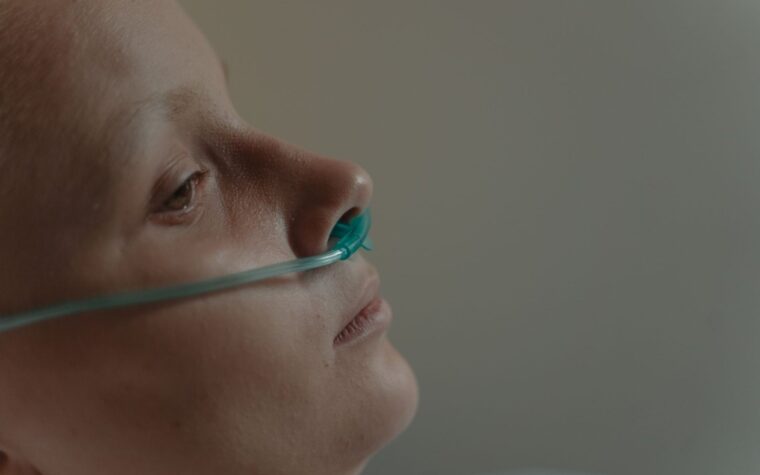
A new study from the Icahn School of Medicine at Mount Sinai suggests that children with recurrent diffuse intrinsic pontine glioma (DIPG), one of the deadliest brain tumors, may benefit from a third course of radiation therapy. Published in Practical Radiation Oncology, the research is the largest to date examining the use of three separate courses of radiation for DIPG that has returned after initial treatment.
Key takeaways
- DIPG is a rare, aggressive brain tumor in children that almost always recurs after initial radiation.
- The study analyzed data from 26 children who received three courses of radiation for recurrent DIPG.
- Researchers found that a third course was feasible and may improve survival for some patients.
- The findings provide a basis for future clinical trials to refine this treatment approach.
Understanding DIPG and its challenges
Diffuse intrinsic pontine glioma is a tumor located in the brainstem, making surgical removal impossible. Standard treatment involves a single course of radiation therapy, which can shrink the tumor and relieve symptoms for a time. However, DIPG almost always recurs, and options for treatment after recurrence are limited. Many children die within two years of diagnosis.
Because the tumor is so aggressive and located in a critical area, doctors have been cautious about repeating radiation. Concerns include damage to healthy brain tissue and the risk of side effects such as cognitive decline or hormone problems. Despite these risks, some clinicians have tried giving a second or even third course of radiation when the tumor returns, but evidence for this practice has been scarce.
What the study found
The Mount Sinai team reviewed records of 26 children with recurrent DIPG who received a third course of radiation between 2000 and 2020 at several institutions. The children had already received two prior courses of radiation for their initial tumor and for a first recurrence. The researchers measured how long the children lived after the third radiation treatment and how well they tolerated it.
Results showed that the median survival after the third course was about 5.5 months. Some children lived longer, with a small number surviving more than a year. The treatment was generally well tolerated, with no unexpected severe side effects reported. The most common side effects were fatigue and temporary worsening of neurological symptoms, which improved with supportive care.
The study is observational and does not prove that a third course of radiation causes longer survival. However, the authors note that these outcomes compare favorably with historical data for children who received only supportive care or other treatments after a second recurrence.
Implications for care and future research
According to the original report, this is the first study to specifically examine three courses of radiation for recurrent DIPG. The findings suggest that giving a third course is technically feasible and may offer a meaningful benefit for some children, especially those whose tumors respond well to earlier radiation. The researchers emphasize that patient selection is critical. Children who have a good performance status and whose tumors show a clear response to prior radiation may be the best candidates.
The study also highlights the need for prospective clinical trials to determine the optimal dose, timing, and patient selection for repeat radiation in DIPG. The authors hope that their work will encourage more centers to consider and study this approach.
Limitations of the study
Because the study is retrospective and includes a small number of patients, its conclusions are limited. There was no comparison group of children who did not receive a third course, so it is not possible to say for sure that the radiation caused the survival times seen. Additionally, the data came from multiple institutions with different radiation techniques, which could affect outcomes. The researchers note that larger, controlled studies are needed to confirm these findings.
Frequently Asked Questions
What is DIPG?
Diffuse intrinsic pontine glioma (DIPG) is a rare and aggressive brain tumor that occurs in the pons, a part of the brainstem. It mainly affects children between the ages of 5 and 10. Because the tumor grows into surrounding healthy tissue, it cannot be removed surgically. Standard treatment is radiation therapy, which can temporarily shrink the tumor but rarely leads to long-term control.
Why would doctors consider a third course of radiation?
When DIPG recurs after initial radiation, options are limited. Some children may receive a second course of radiation for the first recurrence. If the tumor returns again, a third course may be considered in select cases. The idea is that additional radiation may again shrink the tumor and extend life, even if only for a few months. The new study provides the first systematic evidence that this approach is feasible and may benefit some children.
What are the risks of repeat radiation for DIPG?
Repeat radiation to the brainstem carries risks, including damage to healthy nerve tissue, which can cause neurological problems, hormone imbalances, and cognitive effects. The study did not find unexpected severe side effects, but the number of patients was small. Doctors must weigh potential benefits against these risks on a case-by-case basis.
This is an original report by Vital Signs Today, informed by reporting from Medical Xpress. Read the original source.
This article is for information only and is not medical advice. See our Medical Disclaimer.