What causes the feeling known as a runner’s high? New research suggests that the body’s own cannabis-like signaling molecules, called endocannabinoids, increase substantially during extreme distance running. A study led by Dr. Michael Siebers at the University of Duisburg-Essen and published in BMC Medicine tracked endocannabinoid levels in runners covering distances from a standard marathon up to 230 kilometers.
Researchers measured these molecules before, during, and after events to see how they changed with effort. The findings offer a clearer picture of how prolonged exercise affects the brain and body.
Key Takeaways
- Endocannabinoid levels rose significantly during both marathons and ultramarathons.
- The increase appeared to be related to the distance covered, with longer runs producing higher levels.
- This is the first detailed tracking of endocannabinoids across such extreme distances.
- The findings help explain the biological basis of the runner’s high.
How the Study Was Conducted
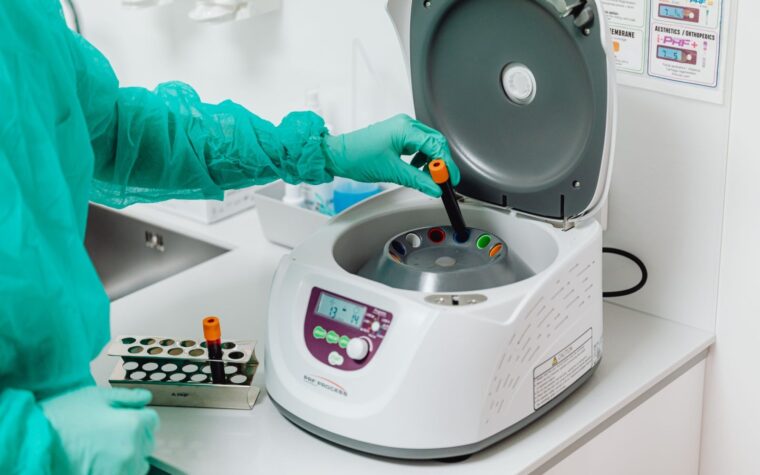
The research team recruited runners participating in a standard marathon (42.2 kilometers), a 100-kilometer ultramarathon, and a 230-kilometer ultramarathon. Blood samples were taken at multiple points: before the race, at specific distances during the run, and after finishing. The samples were then analyzed for levels of two key endocannabinoids: anandamide and 2-arachidonoylglycerol (2-AG).
By comparing measurements across different distances, the scientists could see how the molecules responded to increasing physical stress. The study design allowed them to observe changes in real time rather than relying on post-race measurements alone.
What the Researchers Found
Endocannabinoid levels rose steadily as the runners covered more ground. In the standard marathon, levels of anandamide and 2-AG increased significantly by the finish line. In the ultramarathon events, the increases were even more pronounced, with peak levels seen at the longest distances.
The rise in these molecules did not appear to be simply a response to pain or fatigue. Instead, the pattern suggested a direct relationship with the duration and intensity of the exercise. The researchers noted that the endocannabinoid system might help the body cope with extreme physical demands by reducing pain perception, improving mood, and promoting a sense of well-being.
Implications for Understanding the Runner’s High
The runner’s high is often described as a feeling of euphoria, reduced anxiety, and a lower perception of pain after prolonged exercise. For years, scientists debated whether this effect came from endorphins or endocannabinoids. This study adds strong evidence that endocannabinoids play a key role, especially during very long runs.
Because the study tracked real-time changes, it shows that the endocannabinoid system responds dynamically to exercise. This could help explain why some runners report that the longer they go, the better they feel, at least up to a point.
Broader Significance for Health and Exercise
Beyond explaining a pleasant sensation, these findings may have practical implications. The endocannabinoid system is involved in many processes, including appetite, pain regulation, mood, and memory. Understanding how exercise activates this system could lead to new ways to promote mental health or manage chronic pain without medication.
However, the researchers caution that extreme distances are not necessary to get these benefits. While the study focused on elite-level endurance events, moderate exercise also stimulates endocannabinoid release, just to a lesser degree. The key takeaway is that the body’s own cannabis-like molecules respond to physical activity in a predictable way.
Frequently Asked Questions
What are endocannabinoids?
Endocannabinoids are naturally produced signaling molecules in the body that bind to the same receptors as compounds found in cannabis, such as THC. They help regulate a range of functions including mood, appetite, pain sensation, and memory. Unlike external cannabinoids, endocannabinoids are produced on demand and broken down quickly.
How does this study change our understanding of the runner’s high?
Previous theories pointed to endorphins as the main cause of the runner’s high, but this study shows that endocannabinoid levels rise significantly during extreme running and remain elevated for a longer period. The pattern suggests that endocannabinoids, not endorphins, are the primary driver of the euphoric and pain-reducing effects experienced after long-distance exercise.
Could this lead to new treatments for pain or mood disorders?
Possibly. By understanding how exercise naturally activates the endocannabinoid system, researchers may develop non-drug therapies that mimic this effect. For example, tailored exercise programs could be used to boost endocannabinoid levels in people with chronic pain or depression. However, more research is needed to determine the optimal exercise dose and to see if these effects translate to clinical settings.
This is an original report by Vital Signs Today, informed by reporting from Medical Xpress. Read the original source.
This article is for information only and is not medical advice. See our Medical Disclaimer.