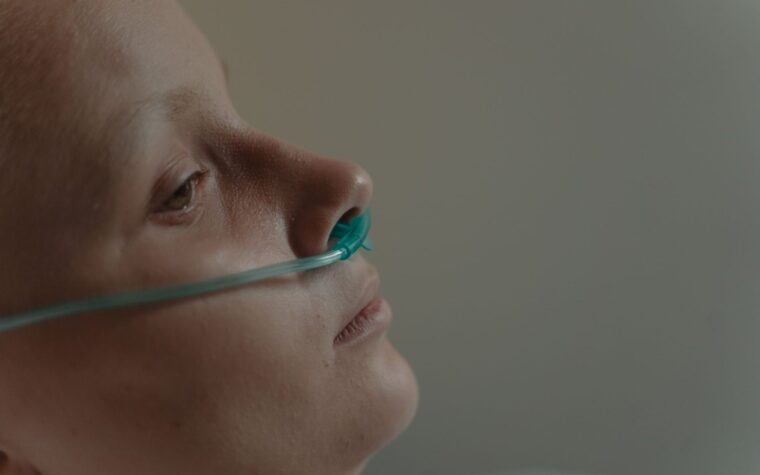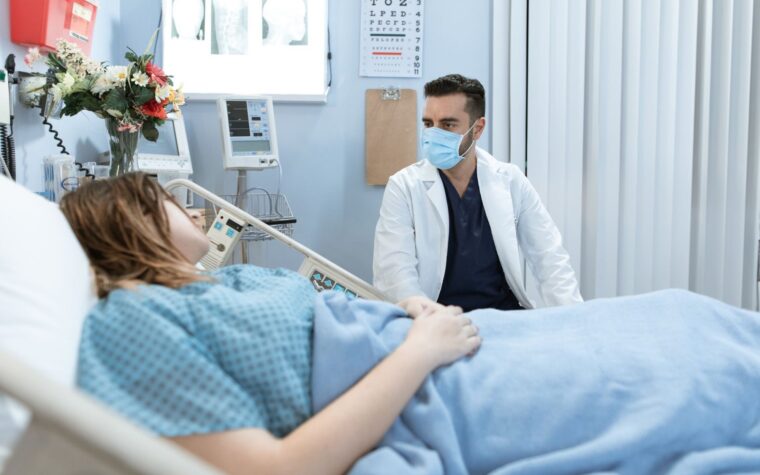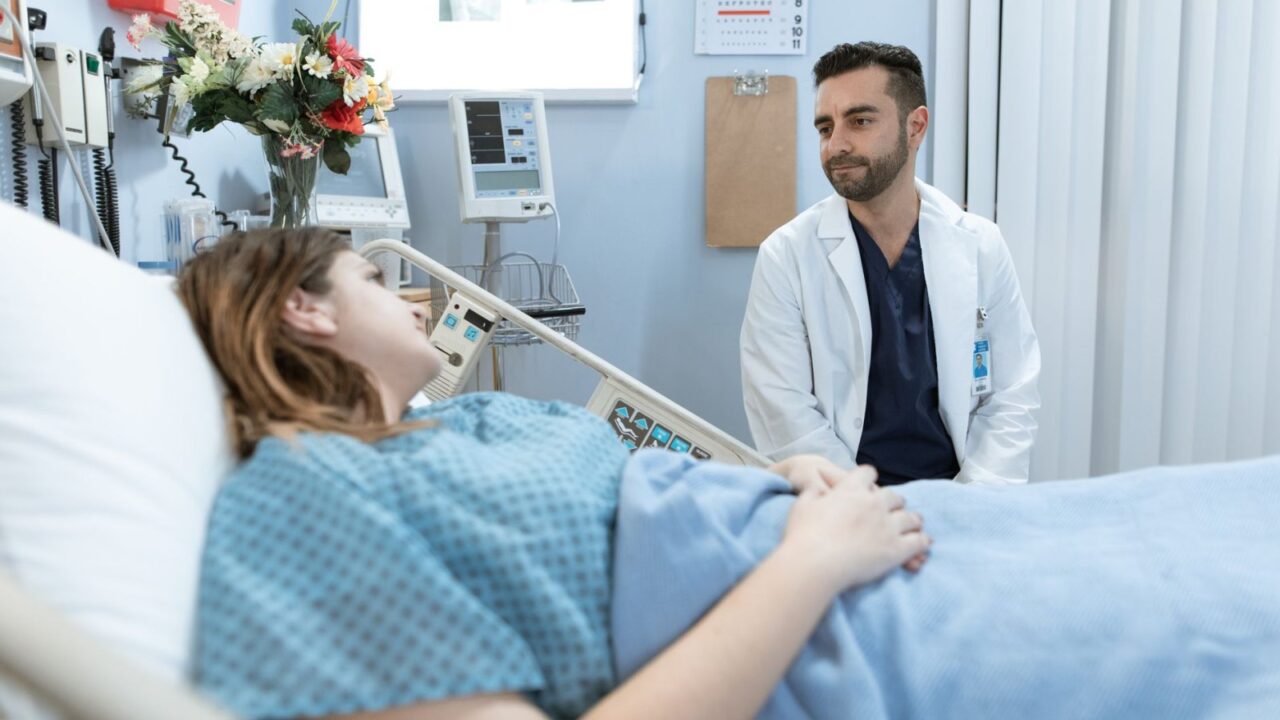
September is Childhood Cancer Awareness Month, a national observance dedicated to highlighting the impact of cancer on children and the importance of research, early detection, and family support. According to event organizers like those behind the Goldstrong Fest in Pensacola, which kicked off the month with family activities, community events play a vital role in spreading awareness and funding for pediatric cancer programs.
Key Takeaways
- Childhood Cancer Awareness Month draws attention to the nearly 16,000 children diagnosed with cancer each year in the United States.
- Early detection of warning signs, such as unexplained bruising, persistent pain, or unusual lumps, can improve outcomes.
- Community events like Goldstrong Fest raise funds and awareness for families facing pediatric cancer.
- Support resources include nonprofit organizations, hospital‑based programs, and local support groups.
What Is Childhood Cancer Awareness Month?
Childhood Cancer Awareness Month, observed every September, was established to increase public understanding of pediatric cancers and to advocate for more research funding. Unlike adult cancers, childhood cancers are often less common and receive less attention, which can delay diagnosis and treatment. Organizations such as the American Childhood Cancer Organization and the National Cancer Institute use this month to share educational materials, host fundraisers, and honor survivors.
Local events, such as the Goldstrong Fest reported by WEAR‑TV, combine family fun with awareness activities. These gatherings help connect families with resources and remind communities that childhood cancer affects not only the child but also siblings, parents, and caregivers.
Common Types of Childhood Cancer
The most common childhood cancers include leukemia, brain and spinal cord tumors, neuroblastoma, Wilms tumor, and lymphoma. Each type has distinct symptoms and treatment approaches. Leukemia, for example, often presents with fatigue, frequent infections, and easy bruising. Brain tumors may cause headaches, nausea, or vision problems. Knowing these patterns can help parents and pediatricians identify potential issues early.
While childhood cancer is rare, the American Cancer Society estimates that about 1 in 285 children will be diagnosed before age 20. Advances in treatment have increased survival rates to over 80 percent for many types, but the journey often involves intense therapies and long‑term side effects.
Early Warning Signs Parents Should Know
Early detection can make a significant difference in treatment success. The following signs do not always mean cancer, but they warrant a medical evaluation:
- Unexplained bruising or bleeding that doesn’t heal.
- Persistent pain in bones, joints, back, or legs.
- Lumps or swelling, especially in the abdomen, neck, or groin.
- Frequent fevers, infections, or night sweats.
- Noticeable change in eye appearance, such as a white pupil or crossed eyes.
- Sudden weight loss or loss of appetite.
Parents who notice any of these symptoms persisting beyond a couple of weeks should consult their child’s pediatrician. Routine checkups and awareness of family history can also aid in early diagnosis.
Importance of Early Detection
Early detection in childhood cancer is challenging because symptoms often mimic common childhood illnesses. However, catching cancer at an earlier stage can allow for less aggressive treatment and better long‑term outcomes. According to the National Cancer Institute, five‑year survival rates for many childhood cancers have improved dramatically since the 1970s, partly due to earlier diagnosis and more effective therapies.
Community awareness events, like the Goldstrong Fest in Pensacola, help educate families about these signs. By spreading information, they reduce the time between symptom onset and diagnosis, which can be critical for certain aggressive cancers.
How to Support Families Affected by Childhood Cancer
Supporting a family dealing with childhood cancer goes beyond monetary donations. Practical help, such as providing meals, transportation to appointments, or childcare for siblings, can ease the burden. Emotional support through listening and staying in touch is also valuable.
Many organizations, including the American Childhood Cancer Organization and local foundations, offer financial assistance, counseling, and resource guides. Attending or volunteering at awareness events, such as the Goldstrong Fest, contributes to both funding and community solidarity. The original report on the event highlighted how family‑friendly activities can bring people together for a cause.
Frequently Asked Questions
What are the most common childhood cancers?
The most common childhood cancers include leukemia (blood cancer), brain and central nervous system tumors, neuroblastoma (nerve tissue cancer), Wilms tumor (kidney cancer), and lymphoma (immune system cancer). Each type has specific symptoms and treatment protocols, but overall survival rates have improved significantly in recent decades.
What are the survival rates for childhood cancer?
Overall, the five‑year survival rate for childhood cancer now exceeds 80 percent, according to the American Cancer Society. Rates vary by cancer type, with some leukemias and lymphomas having survival rates above 90 percent, while certain brain tumors remain more challenging. Early detection and access to specialized care play crucial roles in outcomes.
How can I support a family dealing with childhood cancer?
Support can take many forms, from offering practical help like meals or rides to hospital appointments, to providing emotional support through regular check‑ins. Donating to reputable childhood cancer organizations or participating in local awareness events, such as the Goldstrong Fest, also helps fund research and family assistance programs. Always ask the family what they need most, as needs can change over time.
This is an original report by Vital Signs Today, informed by reporting from Google News. Read the original source.
This article is for information only and is not medical advice. See our Medical Disclaimer.