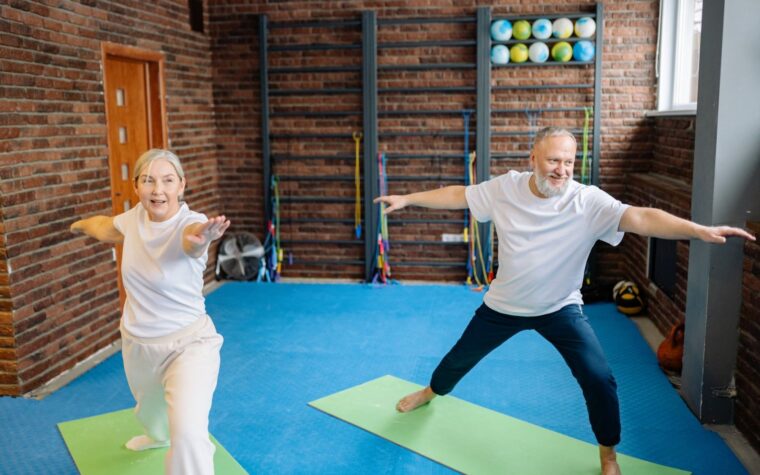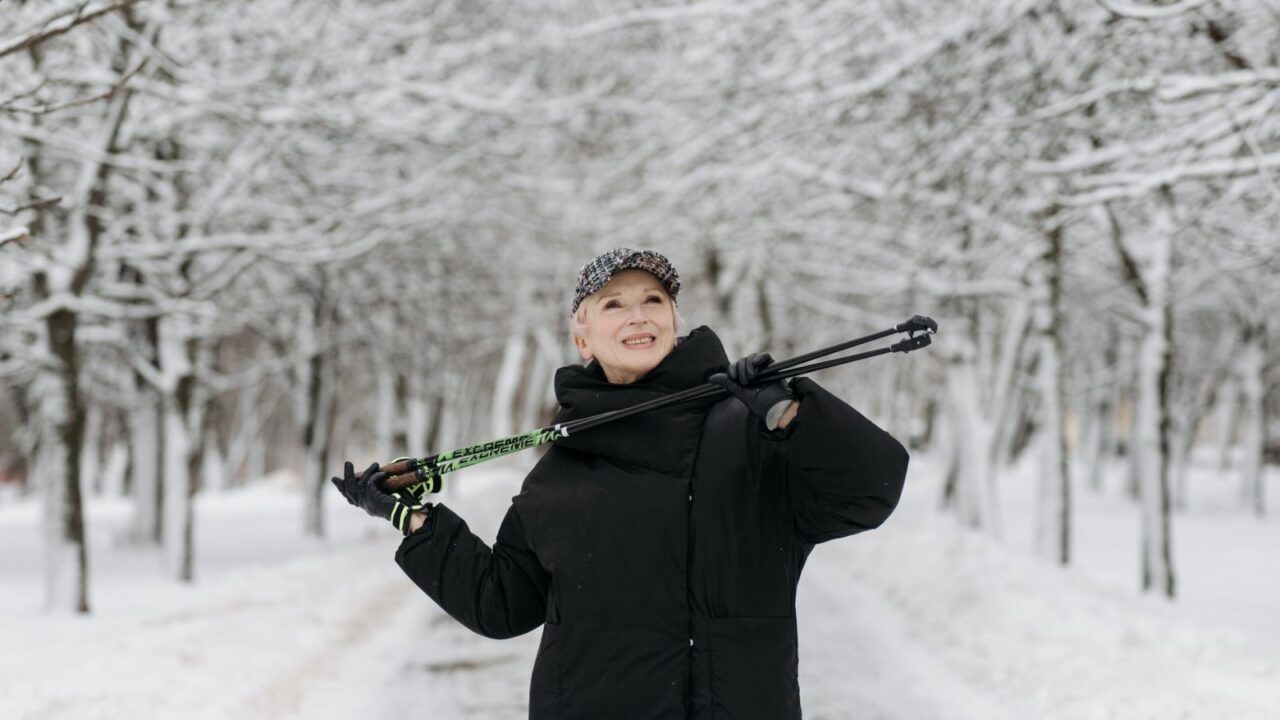
Philadelphia’s FDR Park recently hosted a Senior Fun Day, a collaboration between the Art of Aging initiative and the Philadelphia Parks and Recreation department. The event offered older adults a chance to engage in outdoor recreation, from gentle movement to social gatherings, reinforcing the idea that staying active and connected in later years is about more than just exercise. It is a reminder that community based programs can help seniors maintain independence and quality of life.
Key takeaways
- Community events like Senior Fun Day provide structured opportunities for older adults to be physically active outdoors.
- Social interaction at such events helps combat loneliness, a known risk factor for cognitive decline and other health issues.
- Parks and recreation departments increasingly design programs specifically for seniors to promote accessible, low impact activities.
Why outdoor activities matter for older adults
Regular physical activity is a cornerstone of healthy aging. According to the Centers for Disease Control and Prevention, adults aged 65 and older should aim for at least 150 minutes of moderate intensity aerobic activity each week, along with muscle strengthening exercises. Outdoor events like the Senior Fun Day make this goal more attainable by offering group based, low barrier activities such as walking, stretching, and light games. Being outside also provides additional benefits, including exposure to natural light, which supports vitamin D production and can improve mood.
Research consistently shows that even modest increases in physical activity among seniors can reduce the risk of falls, improve cardiovascular health, and help manage chronic conditions like arthritis and diabetes. The social component of group activities adds another layer of protection, as strong social ties have been linked to lower rates of depression and even a reduced risk of dementia.
The role of social connection in longevity
Loneliness and social isolation are serious health concerns for older Americans. The National Institute on Aging reports that prolonged isolation can increase the risk of premature death by as much as 50 percent, comparable to the risks of smoking, obesity, and physical inactivity. Events like Philadelphia’s Senior Fun Day provide a structured setting for seniors to meet peers, share experiences, and build supportive networks.
The Art of Aging initiative, which partnered with the city for this event, focuses on creative and recreational programming tailored to older adults. By working with the Parks and Recreation department, the program ensures that activities are held in accessible public spaces, removing common barriers such as cost or transportation. This model can serve as a blueprint for other communities looking to support their aging populations.
How communities can support active aging
Public parks and recreation departments are increasingly recognizing the need for age friendly programming. Simple adjustments, such as offering shaded seating areas, providing walking paths with even surfaces, and scheduling events during daylight hours, can make outdoor activities more welcoming for seniors. The Philadelphia event also featured information booths on local senior services, helping attendees connect with resources beyond the park.
For older adults who may be hesitant about starting a new activity, community events offer a low pressure entry point. Participants can choose their level of involvement, from watching a demonstration to joining a group walk. The emphasis is on enjoyment and social connection rather than competition, which can help sustain long term engagement.
Frequently Asked Questions
What types of activities are best for seniors in a park setting?
Activities that involve low impact movement and social interaction are ideal. Walking clubs, gentle stretching or tai chi sessions, lawn games like bocce or cornhole, and seated yoga are all examples. The key is to offer options that accommodate different fitness levels and mobility needs while keeping participants engaged and active.
How can seniors find similar events in their area?
Local parks and recreation departments are a primary resource. Many cities list senior specific programs on their websites or in printed activity guides. Senior centers, libraries, and area agencies on aging also share information about community events. Calling the local parks department directly can help identify upcoming programs.
Are there health benefits beyond physical activity from attending these events?
Yes. The social interaction at community events can reduce feelings of loneliness and isolation, which are linked to better mental health and cognitive function. Being outdoors also provides exposure to sunlight, which supports healthy sleep cycles and vitamin D levels. Additionally, learning about local resources at information booths can help seniors access other health and wellness services.
This is an original report by Vital Signs Today, informed by reporting from Google News. Read the original source.
This article is for information only and is not medical advice. See our Medical Disclaimer.