The Defense Health Agency (DHA) recently visited the 1st Global Field Medical Lab to review the unit’s capabilities in providing diagnostic support during military deployments. The visit underscores the military’s focus on ensuring that service members have access to rapid laboratory testing even in austere environments.
Key Takeaways
- The DHA J-3/5/7 directorate conducted a site visit to the 1st Global Field Medical Lab to evaluate its operational readiness.
- Field medical labs are designed to deliver essential diagnostic services, such as blood work and infectious disease testing, close to the point of care in deployed settings.
- These labs help commanders make informed decisions about troop health and force protection.
- The visit reflects ongoing efforts to modernize military medical logistics and sustainment.
What Is the 1st Global Field Medical Lab?
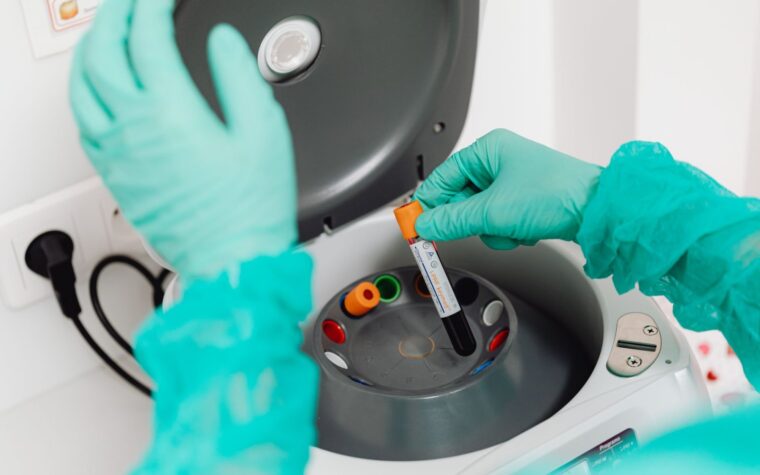
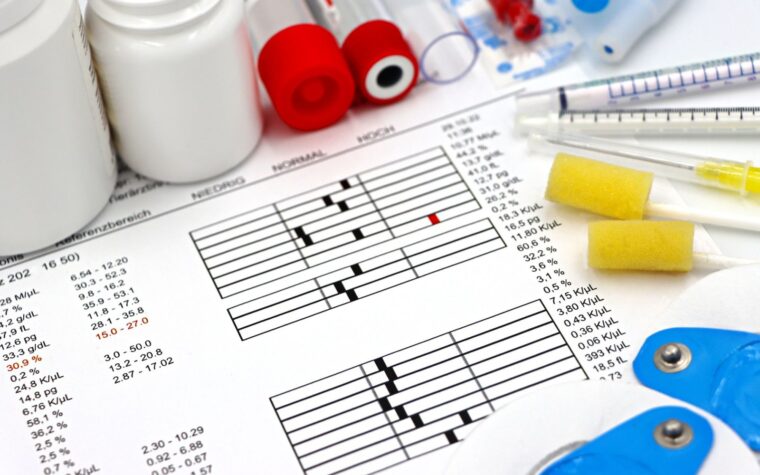
The 1st Global Field Medical Lab is a specialized U.S. Army unit that provides laboratory services in forward-deployed locations. According to the original report from DVIDS, the lab is equipped to perform a range of diagnostic tests, including chemistry, hematology, microbiology, and molecular diagnostics, all in a mobile or semi-permanent field setting. Its mission is to bring hospital-level lab capabilities closer to combat troops, reducing the time needed to diagnose and treat illnesses or injuries.
Why Field Medical Labs Matter in Military Operations
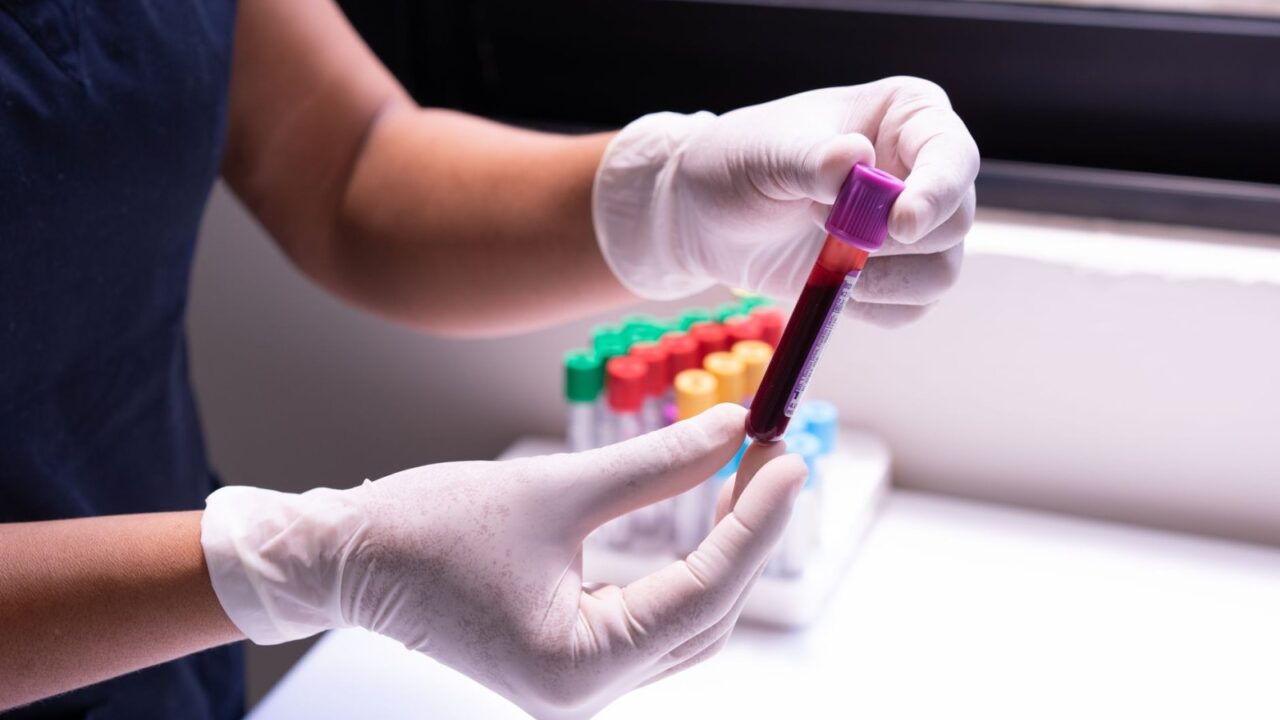
In deployed environments, access to timely laboratory results can be the difference between a contained outbreak and a widespread illness. Field medical labs allow medical personnel to test for infectious diseases, monitor chronic conditions, and screen blood products without sending samples to distant facilities. The DHA visit highlighted how these labs contribute to medical readiness by enabling faster clinical decisions and improving the overall health of the force.
How the DHA Visit Supports Medical Readiness
The Defense Health Agency J-3/5/7 directorate oversees joint operational medical support, force health protection, and medical logistics. By visiting the 1st Global Field Medical Lab, the DHA aimed to assess the unit’s training, equipment, and integration with broader military health systems. The original report noted that the visit included briefings on the lab’s capabilities and a tour of its equipment. Such evaluations help identify gaps and inform future investments in field diagnostic technology.
Modernizing Diagnostics for Deployed Forces
The military continues to invest in portable, ruggedized diagnostic tools that can withstand harsh conditions. The 1st Global Field Medical Lab represents a shift toward more agile medical support, where labs can be rapidly set up and dismantled as operations change. The DHA’s interest in this unit signals a broader commitment to ensuring that service members receive the same quality of diagnostic care in the field as they would in a stateside hospital.
Frequently Asked Questions
What types of tests can a field medical lab perform?
Field medical labs like the 1st Global Field Medical Lab are equipped to perform routine blood tests, urinalysis, infectious disease screening, and basic microbiology. They can also conduct molecular testing for pathogens such as influenza, COVID-19, and other deployable threats, depending on the mission and equipment available.
How does a field medical lab differ from a regular hospital lab?
A field medical lab is designed to be mobile, self-contained, and resilient in austere environments. Unlike a fixed hospital lab, it can operate with limited power and water, and its equipment is built to withstand vibration, temperature extremes, and rough handling during transport. Staffing is typically smaller, and the lab must be ready to deploy on short notice.
Why does the Defense Health Agency visit field medical labs?
The DHA visits field medical labs to evaluate their operational readiness, identify resource needs, and ensure they align with joint medical doctrine. These visits also help coordinate logistics, training, and sustainment so that labs can effectively support combatant commanders and protect the health of deployed service members.
This is an original report by Vital Signs Today, informed by reporting from Google News. Read the original source.
This article is for information only and is not medical advice. See our Medical Disclaimer.