GlycanAge, a company known for its biological age test that analyzes glycans (sugar molecules on proteins), has formed a strategic partnership with ExoEarth Corp., a Japanese firm specializing in space and scientific services. The collaboration aims to bring advanced biological age testing and aging research to Japan, according to the original announcement.
Under the agreement, the two organizations will work to adapt and distribute the GlycanAge test within Japan, focusing on both individual health assessments and larger research projects. The partnership combines GlycanAge’s expertise in glycobiology with ExoEarth’s local market knowledge and infrastructure.
Key Takeaways
- GlycanAge and ExoEarth Corp. have announced a strategic collaboration focused on biological age testing and aging research in Japan.
- The partnership aims to provide the GlycanAge test, which uses glycan analysis, to individuals and researchers in Japan.
- ExoEarth Corp. will support logistics and market access, while GlycanAge provides the testing technology and expertise.
- The deal is intended to expand understanding of aging and age-related diseases in a new geographic market.
What Is the GlycanAge Test?
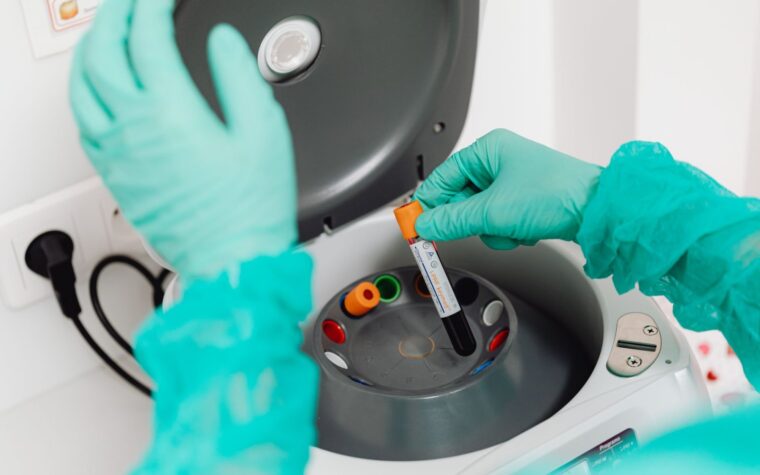
The GlycanAge test measures the composition of glycans attached to a protein called immunoglobulin G (IgG). These sugar structures change with age and are influenced by factors like inflammation, lifestyle, and genetics. The test provides an estimate of biological age, which may differ from chronological age. The original report states that the test is already available in several countries and is used by both consumers and researchers.
Why Japan?
Japan has one of the oldest populations in the world, with a high life expectancy and a growing interest in longevity science. The partnership with ExoEarth Corp., which has experience in scientific consultancy and space-related services in Japan, is designed to navigate local regulations and establish a presence in this important market. The aging research conducted through this collaboration could provide valuable data on how biological aging varies across different populations.
What Does the Collaboration Involve?
According to the announcement, the collaboration includes several components. ExoEarth Corp. will handle local distribution, customer support, and logistics for sample collection within Japan. GlycanAge will provide the testing methodology, quality control, and data analysis. The partners also plan to conduct joint research projects to study aging in Japanese cohorts, potentially comparing results with data from other regions.
Impact on Aging Research
By expanding the availability of glycan-based biological age testing to Japan, researchers may gain new insights into how diet, environment, and genetics influence aging. The original report notes that GlycanAge tests are based on over a decade of research into glycobiology and inflammation. Including Japanese data could strengthen the global understanding of aging patterns and help validate the test across diverse populations.
Frequently Asked Questions
What exactly does the GlycanAge test measure?
The test measures the structure and composition of glycans attached to the IgG protein in a blood sample. These glycans change in predictable ways as people age, and their patterns are linked to inflammation and immune function. The test then calculates an estimated biological age based on these biomarker profiles.
How will this partnership benefit people in Japan?
Individuals in Japan will gain access to the GlycanAge test through ExoEarth Corp.’s distribution channels. The partnership also aims to support aging research that could lead to a better understanding of healthspan and how to maintain vitality later in life. Researchers may use the test to study age-related diseases and interventions.
Is the GlycanAge test considered a medical diagnostic?
As described in the original announcement, the GlycanAge test is positioned as a research tool and a consumer health assessment. It is not a diagnostic test for any specific disease. It provides an estimate of biological age that can inform lifestyle and wellness decisions, but it should not replace medical advice or diagnostic testing from a healthcare provider.
This is an original report by Vital Signs Today, informed by reporting from Google News. Read the original source.
This article is for information only and is not medical advice. See our Medical Disclaimer.