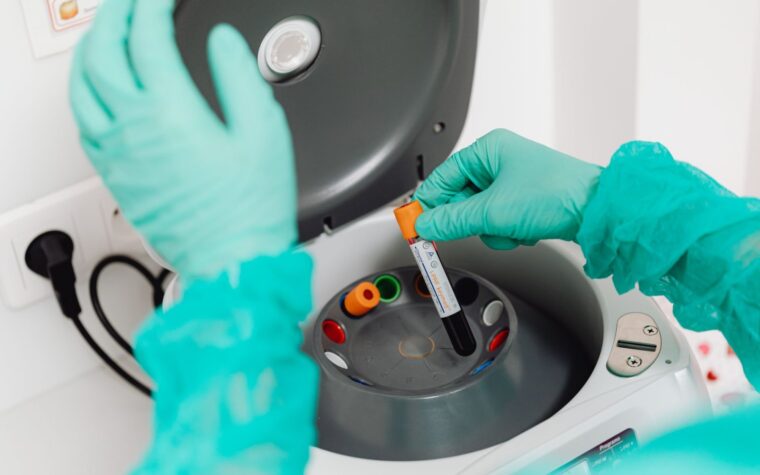
A newly developed blood test measures how effectively high-density lipoprotein (HDL) removes cholesterol from blood vessel walls, a function known as cholesterol efflux capacity (CEC). Researchers at the Institute of Science Tokyo, Japan, found that low CEC is strongly linked to high-risk, unstable coronary plaques. This test could provide a more accurate way to predict heart attacks and strokes than standard cholesterol measurements alone.
Key Takeaways
- The blood test assesses HDL function rather than just HDL cholesterol level.
- Low cholesterol efflux capacity is associated with unstable coronary plaques that are prone to rupture.
- The method may improve cardiovascular risk prediction and guide preventive treatments.
- The study was conducted at the Institute of Science Tokyo and reported by Medical Xpress.
Understanding Cholesterol Efflux Capacity
Cholesterol efflux capacity refers to the ability of HDL particles to pick up excess cholesterol from cells in the artery walls and transport it to the liver for removal. This process is a key step in reverse cholesterol transport, which helps prevent the buildup of fatty deposits known as plaques. When CEC is low, cholesterol remains trapped in the artery wall, promoting the formation of plaques that are more likely to become inflamed and rupture.
Standard blood tests typically measure the total amount of HDL cholesterol in the blood. However, this new test goes a step further by evaluating how well that HDL actually works. According to the report from Medical Xpress, the researchers at the Institute of Science Tokyo developed a straightforward blood-based assessment to quantify CEC in a clinical setting.
The Study from the Institute of Science Tokyo
The research team analyzed blood samples from patients undergoing coronary imaging to assess the presence and characteristics of arterial plaques. They compared CEC measurements with detailed imaging findings that identified high-risk plaques, such as those with thin fibrous caps or large lipid cores. The results showed a clear link: individuals with lower cholesterol efflux capacity were significantly more likely to have unstable plaques.
These findings, as reported by Medical Xpress, support the broader clinical use of the CEC test for predicting cardiovascular risk. The researchers suggest that this method could help identify patients who might benefit from more aggressive lipid-lowering therapy or lifestyle changes, even if their standard cholesterol numbers appear normal.
Why Standard Cholesterol Tests Fall Short
Many people who suffer heart attacks have seemingly acceptable levels of LDL (bad) cholesterol and HDL (good) cholesterol on routine blood panels. This paradox has long puzzled cardiologists. The new research suggests that the function of HDL matters more than its quantity. A person may have plenty of HDL particles, but if those particles are inefficient at removing cholesterol, the risk of unstable plaque remains high.
By focusing on cholesterol efflux capacity, the test provides a functional snapshot of HDL performance. This could explain why some individuals with normal cholesterol profiles still develop advanced coronary artery disease. The Institute of Science Tokyo team hopes their test will become a routine part of cardiovascular risk assessment.
Clinical Implications and Future Use
If validated in larger studies, this blood test could change how doctors evaluate heart disease risk. It may be especially useful for people with borderline cholesterol levels, those with a family history of early heart disease, or patients with conditions like diabetes that affect cholesterol metabolism. The test could also help monitor the effectiveness of treatments aimed at improving HDL function.
The researchers emphasize that the test is simple and could be integrated into existing laboratory workflows. According to the Medical Xpress report, the next steps involve larger clinical trials to confirm the test’s predictive power and to establish clear cutoff values for low versus normal CEC.
Frequently Asked Questions
What is cholesterol efflux capacity?
Cholesterol efflux capacity (CEC) is a measure of how efficiently high-density lipoprotein (HDL) particles remove excess cholesterol from cells in the artery walls. It reflects the functional quality of HDL, not just the amount of HDL in the blood. Low CEC indicates that HDL is not working well, which can lead to plaque buildup and increased heart attack risk.
How is this blood test different from a standard cholesterol test?
A standard cholesterol test measures the total amount of HDL, LDL, and triglycerides in the blood. It tells you how much cholesterol is present but not how well it is being processed. The new CEC test evaluates the actual function of HDL by measuring its ability to accept cholesterol from cells. This provides a more direct assessment of the body’s ability to clear cholesterol from artery walls.
Who might benefit from this test?
People with borderline or normal cholesterol levels who still have risk factors for heart disease, such as a family history of early heart attacks, diabetes, or smoking, could benefit. The test may also help patients who have had a heart attack despite apparently good cholesterol numbers. Additionally, it could be used to monitor how well treatments like statins or lifestyle changes are improving HDL function.
This is an original report by Vital Signs Today, informed by reporting from Medical Xpress. Read the original source.
This article is for information only and is not medical advice. See our Medical Disclaimer.