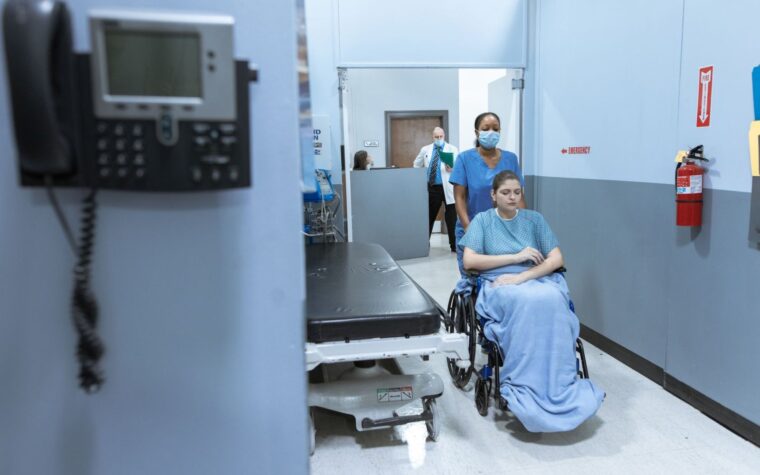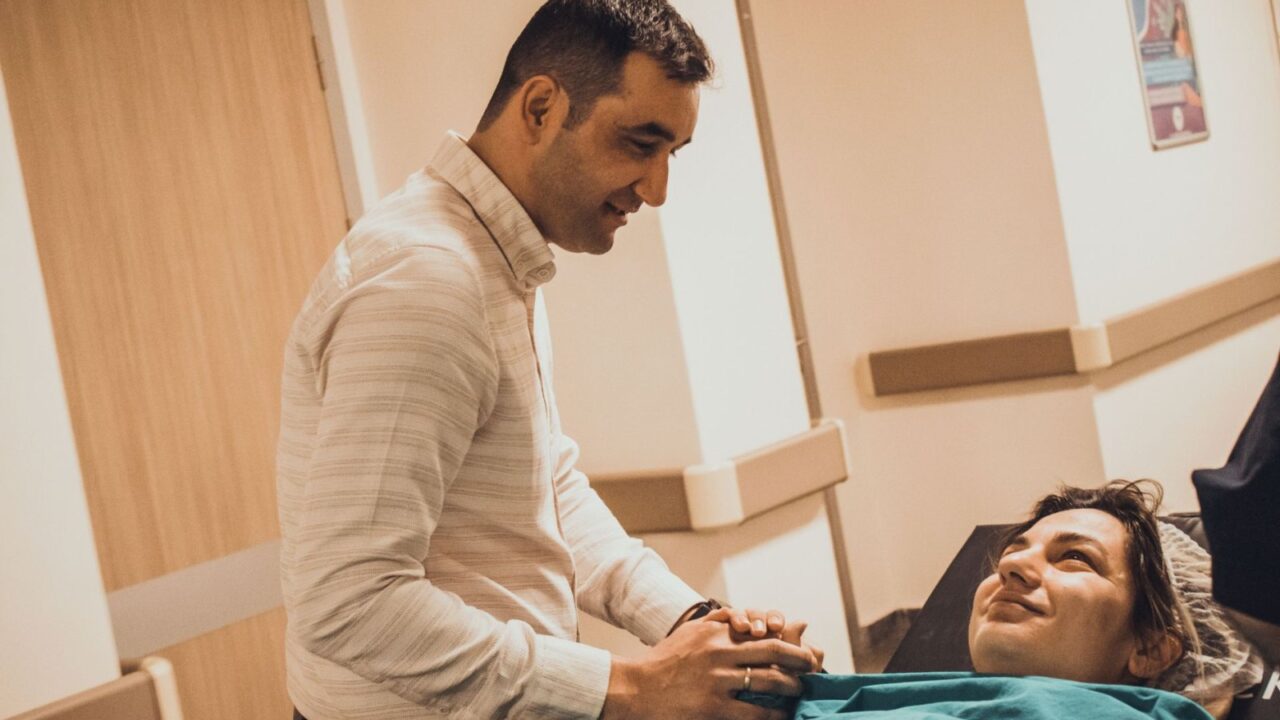
The University of Northern Colorado (UNC) has opened its new College of Osteopathic Medicine, featuring a state-of-the-art facility designed to train future physicians. According to a report by the Loveland Reporter-Herald, the building includes modern classrooms, simulation labs, and collaborative spaces that support hands-on learning. The college aims to address the growing demand for healthcare professionals in Colorado and beyond.
Key Takeaways
- UNC’s new College of Osteopathic Medicine features a recently completed building with advanced simulation labs and technology.
- The program focuses on osteopathic principles, including holistic care and the musculoskeletal system.
- The new facility is expected to help expand the physician workforce in Colorado and rural areas.
The New Facility
The College of Osteopathic Medicine’s building is described as a modern, purpose-built space that supports an integrated curriculum. As reported by the Loveland Reporter-Herald, the facility includes high-tech simulation suites where students can practice clinical skills in realistic settings. There are also anatomy labs, lecture halls, and study areas designed to encourage collaboration among students and faculty. The design emphasizes natural light and flexible spaces that can be adapted for different teaching methods.
Photos released by UNC show bright, open classrooms and equipment that mirrors what students will encounter in hospitals and clinics. The building reflects the university’s commitment to providing a top-tier medical education environment, according to officials quoted in the original report.
Osteopathic Medicine at UNC
The College of Osteopathic Medicine is one of the few such programs in the Rocky Mountain region. Osteopathic medicine is a distinct branch of the medical profession that emphasizes a whole-person approach to care, including the role of the musculoskeletal system in health and disease. Students at UNC will earn a Doctor of Osteopathic Medicine (DO) degree, which is equivalent to an MD degree but includes additional training in osteopathic manipulative treatment.
The curriculum integrates traditional medical sciences with osteopathic principles, preparing graduates to practice in primary care and specialty fields. The program is designed to meet the needs of Colorado’s rural and underserved communities, where physician shortages are most acute, as noted in the Loveland Reporter-Herald article.
Impact on the Community
The opening of the new facility is expected to have a significant impact on the local and regional healthcare landscape. By training more physicians in Colorado, the College of Osteopathic Medicine aims to reduce the state’s physician shortage, particularly in rural areas. The original report highlighted that the school’s location at UNC in Greeley places it near communities that often lack access to primary care providers.
Additionally, the new building has created jobs and contributed to the local economy. The university plans to host community events and health screenings at the facility, further integrating the college into the broader Greeley area. The Loveland Reporter-Herald noted that the project represents a major investment in the region’s health education infrastructure.
Frequently Asked Questions
What is osteopathic medicine?
Osteopathic medicine is a distinct branch of medical practice in the United States that emphasizes a holistic, whole-person approach to care. Osteopathic physicians (DOs) receive additional training in the musculoskeletal system and osteopathic manipulative treatment, which allows them to diagnose and treat conditions using hands-on techniques.
When did the new College of Osteopathic Medicine at UNC open?
According to the Loveland Reporter-Herald, the college opened its new facility recently, with the building completed and ready for students. The exact opening date was not specified in the original report, but the university has begun admitting students to the program.
What programs does the college offer?
The College of Osteopathic Medicine at UNC offers a Doctor of Osteopathic Medicine (DO) degree program. The curriculum combines traditional medical sciences with osteopathic principles and includes clinical rotations in various healthcare settings. The program is designed to prepare graduates for residencies and practice in primary care or specialty fields.
This is an original report by Vital Signs Today, informed by reporting from Google News. Read the original source.
This article is for information only and is not medical advice. See our Medical Disclaimer.