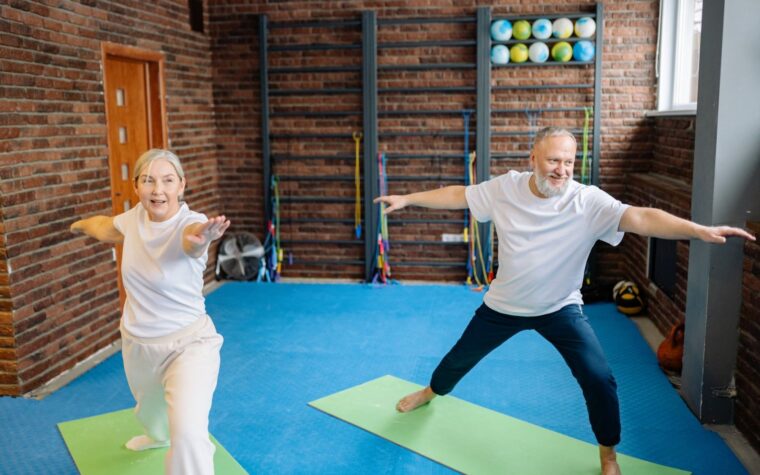
Zone 2 cardio is low intensity aerobic exercise performed at a heart rate that supports fat burning and mitochondrial efficiency. Its primary longevity benefits include improved cardiovascular fitness, enhanced mitochondrial health, better blood sugar regulation, and reduced inflammation, all of which contribute to healthier aging.
Key Takeaways
- Zone 2 cardio improves mitochondrial efficiency and density, the powerhouses of your cells.
- It enhances fat metabolism and insulin sensitivity, reducing diabetes risk.
- It strengthens the heart, lowers resting heart rate, and improves cardiac output.
- It reduces chronic inflammation and oxidative stress, two drivers of aging.
- It supports cognitive function and brain health through increased blood flow.
What exactly is zone 2 cardio?
Zone 2 cardio is exercise performed at a heart rate typically 60 to 70 percent of your maximum, where your body primarily uses fat for fuel and you can still hold a conversation. This intensity level sits just below the first ventilatory threshold, meaning your breathing is steady but not labored. During zone 2 training, your muscles demand oxygen at a rate your cardiovascular system can match without accumulating large amounts of lactate. This sweet spot allows you to sustain activity for 45 minutes or longer, making it ideal for building aerobic base and endurance.
How does zone 2 cardio benefit mitochondrial health?
Zone 2 training stimulates the creation of new mitochondria and improves their efficiency, which is key for energy production and cellular repair. Mitochondria are the organelles responsible for converting food into energy, and their decline is a hallmark of aging. Studies show that consistent moderate aerobic exercise increases mitochondrial density in muscle cells, enabling your body to produce ATP more efficiently. This process also enhances fat oxidation, meaning you burn fat more effectively during rest and exercise. Research from the Journal of Applied Physiology indicates that just eight weeks of zone 2 training can boost mitochondrial enzyme activity by up to 30 percent in previously sedentary adults.
Can zone 2 cardio improve longevity?
Yes, because zone 2 cardio addresses multiple hallmarks of aging such as mitochondrial dysfunction, inflammation, and cardiovascular decline. Observational studies, including the famous Copenhagen City Heart Study, have found that regular moderate intensity exercise is associated with a 30 to 40 percent lower risk of premature death compared to a sedentary lifestyle. Zone 2 training specifically lowers resting heart rate, reduces blood pressure, and improves lipid profiles. It also activates the AMPK pathway, a cellular energy sensor that promotes autophagy and slows aging. For a broader overview of longevity habits, see 10 Starting Points for Living to 100.
How much zone 2 cardio should you do each week?
Most experts recommend 150 to 300 minutes per week of moderate intensity exercise, with zone 2 making up a substantial portion. The American Heart Association advises at least 150 minutes of moderate aerobic activity weekly for general health, but longevity focused coaches often suggest 180 to 250 minutes of zone 2 specifically. You can break this into four to five sessions of 40 to 60 minutes. Beginners should start with three 20 minute sessions and gradually increase duration and frequency. Overtraining can be counterproductive, so listen to your body and include rest days.
How do you find your zone 2 heart rate?
Calculate your zone 2 heart rate using the Karvonen formula or use the talk test where you can speak in full sentences without strain. For the Karvonen method, subtract your age from 220 to get maximum heart rate, then subtract your resting heart rate to get heart rate reserve. Multiply the reserve by 0.60 and 0.70, add your resting heart rate to get your zone 2 range. Alternatively, the talk test is simpler: you should be able to recite a short poem or count to ten without gasping. Another practical method is nasal breathing: if you can breathe only through your nose during exercise, you are likely in zone 2.
What are the best exercises for zone 2 training?
Walking, jogging, cycling, swimming, and rowing at a steady pace are excellent zone 2 activities. These exercises engage large muscle groups in a rhythmic, continuous manner, making it easy to maintain a consistent heart rate. Treadmill walking at a brisk pace on an incline works well for many people. Outdoor cycling on flat terrain or using a stationary bike with moderate resistance is another reliable option. Swimming is effective but may require a heart rate monitor that works in water. The key is to choose an activity you enjoy and can perform for extended periods without excessive joint stress.
Frequently Asked Questions
Is zone 2 cardio better than HIIT for longevity?
Zone 2 cardio and high intensity interval training (HIIT) serve different purposes, and both can be valuable for longevity. Zone 2 builds aerobic efficiency, mitochondrial density, and fat metabolism, while HIIT improves VO2 max, power, and anaerobic capacity. For most people, a combination of 80 to 90 percent zone 2 and 10 to 20 percent HIIT yields the best results, according to many exercise physiologists. Zone 2 is also safer for beginners and older adults because it places less stress on the joints and cardiovascular system.
Can I do zone 2 cardio every day?
Yes, you can do zone 2 cardio daily because the intensity is low enough to allow for proper recovery. Many endurance athletes and longevity enthusiasts perform 30 to 60 minutes of zone 2 exercise six to seven days per week. However, listen to your body. If you feel excessive fatigue, poor sleep, or persistent soreness, scale back to four or five days per week to avoid overtraining. Recovery days can include lighter zone 1 work like slow walking or stretching.
Do I need a heart rate monitor for zone 2?
A heart rate monitor is helpful but not strictly necessary. The talk test and nasal breathing method are reliable alternatives for staying in zone 2. That said, a chest strap heart rate monitor provides the most accurate data and can help you dial in your range precisely, especially as your fitness improves. Many smartwatches also offer wrist based optical sensors, though they may be slightly less accurate during exercise. A monitor can be a valuable tool for beginners to learn how different intensities feel.
This article is for general information and is not medical advice. See our Medical Disclaimer.