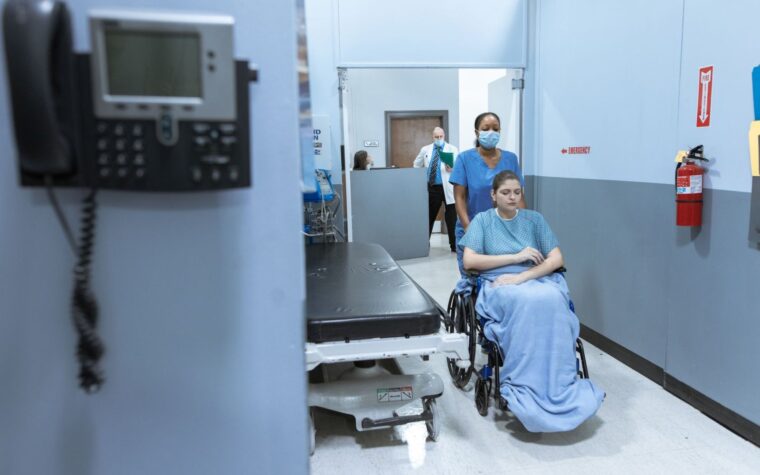
A mass physical health assessment is a large-scale medical screening event in which military personnel undergo a battery of tests and evaluations to confirm they are fit for duty. According to a report from DVIDS, the 103d Airlift Wing, a unit of the Connecticut Air National Guard, recently conducted such an assessment for its airmen. The goal of these assessments is to maintain operational readiness by ensuring every service member meets physical and medical standards.
Mass physical health assessments typically include vision and hearing tests, blood work, immunizations review, and a general physical exam. They also cover dental health, mental health screening, and an update of medical records. For the 103d Airlift Wing, the event allowed airmen to complete multiple requirements in one visit, reducing the time spent away from their duties.
Key Takeaways
- Mass physical health assessments are used by the military to efficiently evaluate large groups of personnel.
- The 103d Airlift Wing held a recent assessment to check airmen’s readiness and update medical records.
- These events cover vision, hearing, blood work, dental checkups, mental health screenings, and immunization records.
- Completing all requirements in one session saves time and helps maintain unit readiness.
- Periodic health assessments are a standard part of military service to catch health issues early.
What Is a Mass Physical Health Assessment?
A mass physical health assessment is an organized event where many military members receive their required periodic health assessment at the same time. Instead of scheduling individual appointments over weeks or months, the unit brings in medical staff and equipment to perform exams on a large group in a short period. This approach is efficient and ensures no one falls behind on their medical requirements.
The 103d Airlift Wing’s recent assessment, as reported by DVIDS, involved airmen from the unit undergoing standard checks. The specific tests and procedures follow guidelines set by the Department of Defense and the Air Force. These guidelines are designed to ensure that every service member is medically ready to deploy or carry out their duties.
Why Are Periodic Health Assessments Important in the Military?
Military personnel face unique physical and mental demands. Periodic health assessments help identify conditions that could affect performance or safety. They also ensure that immunizations are current and that chronic health issues are managed properly. By catching problems early, the military can provide treatment and adjust duties if needed.
The 103d Airlift Wing is an Air National Guard unit based in Windsor Locks, Connecticut. It operates C-130 Hercules aircraft and supports both state and federal missions. Keeping its airmen medically ready is a key part of its mission capability.
What Does a Typical Assessment Include?
While the DVIDS report on the 103d Airlift Wing did not detail every test, mass physical health assessments generally include the following components:
- Vision and hearing screening to check for changes that might affect job performance.
- Blood tests to check cholesterol, blood sugar, and other markers.
- Blood pressure measurement and cardiovascular check.
- Dental exam to ensure oral health is satisfactory.
- Mental health screening for issues such as stress, anxiety, or depression.
- Immunization review and administration of any overdue vaccines.
- Medical record update including allergies, medications, and recent treatments.
- Physical fitness discussion and advice on maintaining readiness.
These components help build a complete picture of each airman’s health and readiness status.
Benefits of the Mass Assessment Approach
Conducting health assessments in a mass setting offers several advantages. It allows medical staff to see many patients in a single day, reducing the administrative burden of coordinating individual appointments. It also minimizes disruption to the unit’s training schedule. Airmen can complete their checkup and return to their regular duties sooner.
The 103d Airlift Wing’s event is one example of how Air National Guard units manage medical readiness. Similar events are held across the military by active duty, reserve, and guard units.
Frequently Asked Questions
How often do military members need a physical health assessment?
Most military members are required to have a periodic health assessment every 12 months, though some branches or specific roles may have different schedules. The assessment ensures their medical readiness status is current.
What happens if an airman fails part of the assessment?
If a health issue is found, the airman is referred for follow-up care. Depending on the condition, they may receive temporary duty restrictions or a medical waiver. The goal is to treat the issue and return the service member to full readiness as soon as possible.
Can family members participate in mass health assessments?
Mass physical health assessments are typically for service members only. Family members receive care through the military health system but usually through separate channels. Some bases and units occasionally offer family health fairs, but the standard periodic health assessment is for the service member alone.
This is an original report by Vital Signs Today, informed by reporting from Google News. Read the original source.
This article is for information only and is not medical advice. See our Medical Disclaimer.